

Key Highlights
- EU Recommendation:Households should maintain a 72-hour supply of essentials.
- Historical Context:Past disruptions in Ireland highlight the need for preparedness.
- Community Support:Emphasizes the importance of neighborly assistance during emergencies.
[Understanding the 72-Hour Supply Kit]
In the wake of recent global uncertainties, the European Union has issued a call for households across its member states, including Ireland, to prepare for emergencies by maintaining a supply of essentials that can last for at least 72 hours. This guidance is not merely a precautionary measure but a proactive strategy aimed at fostering resilience in the face of potential crises, whether they stem from natural disasters, cyber disruptions, or geopolitical tensions.
The recommendation comes as part of the EU's Preparedness Union Strategy, which seeks to enhance the ability of communities to respond effectively to emergencies. Officials stress that the first few days of any crisis are often the most challenging, as resources may be stretched thin and external assistance may not arrive immediately. By ensuring that households are equipped to manage independently during this critical period, the EU aims to alleviate pressure on emergency services and improve overall response times.
[Historical Context and Community Resilience]
For many in Ireland, the call to prepare resonates deeply, evoking memories of past events such as severe winter storms that disrupted power supplies or the early days of the COVID-19 pandemic when grocery store shelves were emptied. These experiences serve as stark reminders of the unpredictability of life and the importance of being prepared. The 72-hour supply kit is not just about stockpiling goods; it is about instilling confidence in families that they can care for themselves and their loved ones when traditional support systems falter.
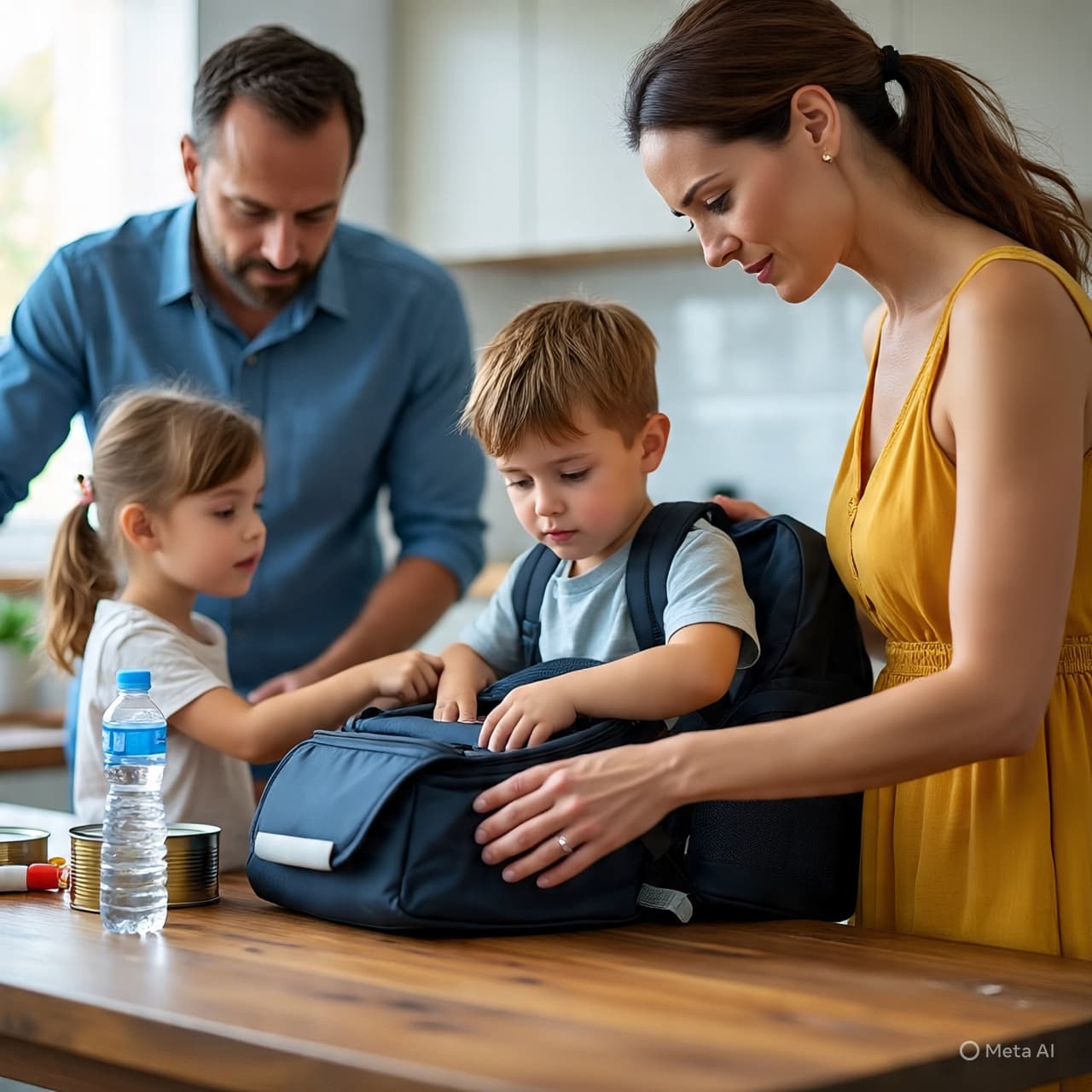
A well-rounded 72-hour kit typically includes bottled water, non-perishable food items, essential medications, a flashlight with spare batteries, and copies of important documents. The essence of this preparation is not to incite fear but to promote self-reliance and a sense of calm in the face of uncertainty. It encourages individuals to think ahead and make sensible arrangements for unforeseen circumstances.
[The Role of Community and Civil Society]
In Ireland, where community ties are strong, the push for preparedness aligns with a cultural instinct to support one another. Civil society organizations, emergency response teams, and humanitarian groups have been actively involved in discussions about resilience and preparedness. Their insights and experiences contribute to a broader understanding of how communities can come together in times of crisis. The emphasis on having a 72-hour plan reflects a collective acknowledgment of the value of thoughtful preparation and mutual care.
[Varied Perspectives on Preparedness]
As with any recommendation related to safety and preparedness, opinions on the 72-hour supply kit vary. Some view it as a sensible approach to modern living, while others express concerns about the potential for panic or alarm. However, the core message remains: having a modest reserve of essentials is less about fear and more about the human desire for reassurance. It is about the quiet comfort that comes from knowing one is prepared for the unexpected.
[Conclusion]
As discussions about emergency preparedness continue in homes and communities across Ireland, officials reiterate that the 72-hour guidance is part of a larger conversation about civic responsibility and resilience. It complements ongoing efforts to strengthen emergency services and community networks, reinforcing the notion that preparedness is a shared endeavor. Whether in urban settings or rural areas, the message is clear: a small measure of preparation can provide peace of mind in uncertain times, allowing individuals and families to navigate challenges with confidence.
Published by Banx Network. This article is part of the Banx decentralized media programme, powered by the BXE token on the XRP Ledger.




