1. Silver's Dramatic Reversal Has Changed the Market
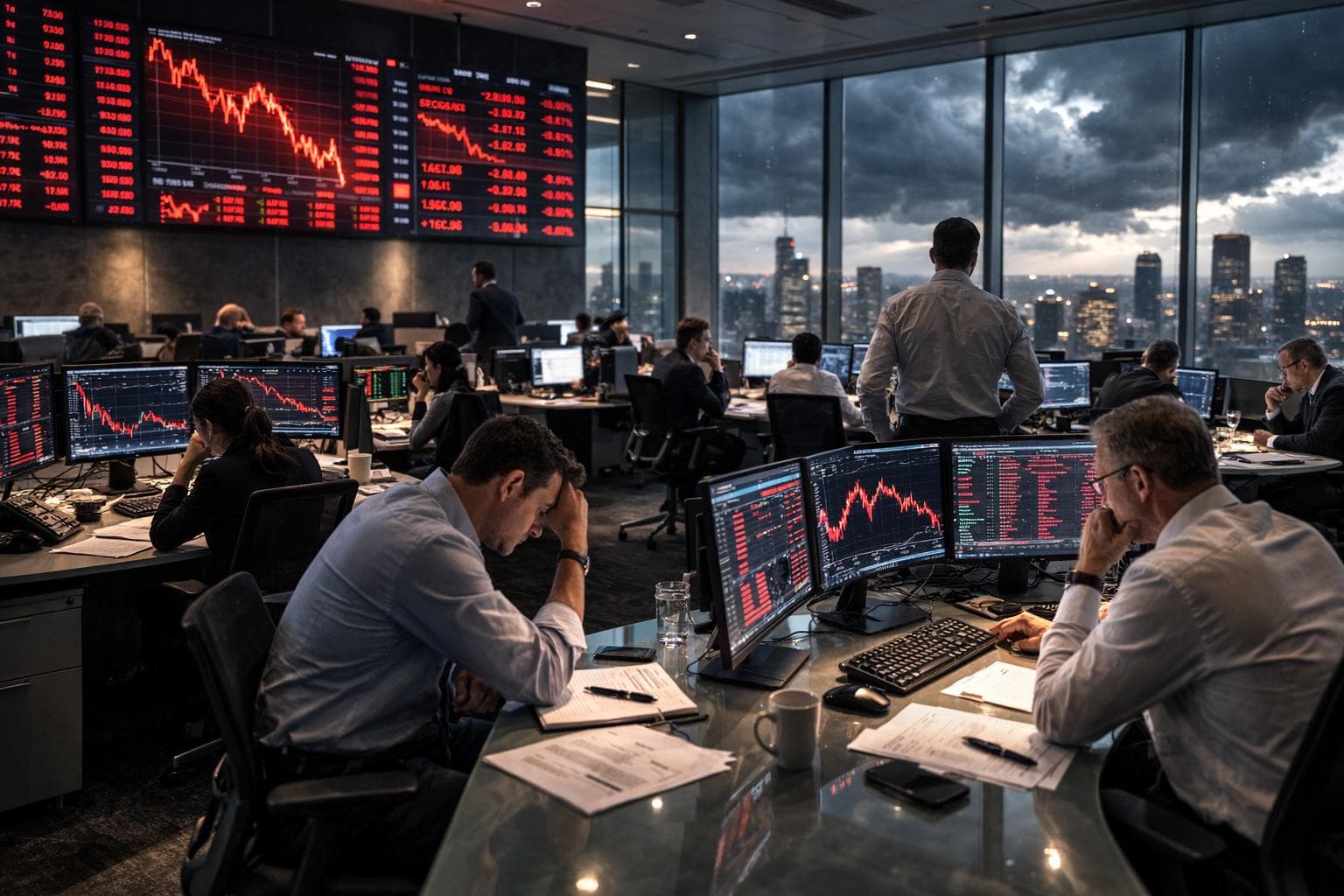
Silver has experienced one of the most volatile periods in its recent history. After an extraordinary rally, prices surged to record levels in January 2026, attracting investors who saw the metal as both a precious asset and an essential industrial resource.
But the rally did not last uninterrupted.
On 22 October, silver futures fell 4.6% to close at approximately $54.76 per troy ounce, their lowest closing price of the year, according to The Wall Street Journal. The metal had fallen by around 52% from its January record as rising oil prices, inflation concerns, higher Treasury yields and a stronger US dollar weighed on precious metals. [1]
This reversal highlights a central contradiction in the silver market. The metal can benefit from supply constraints and investor demand, yet it can also suffer when borrowing costs rise or economic conditions threaten industrial consumption.
The question is whether the latest decline represents a market correction after an exceptional rally or a warning that prices had moved too far ahead of the underlying fundamentals.
For investors, the distinction matters. A genuine physical shortage can support prices over time, but it does not prevent sharp losses when speculative positions unwind or demand weakens.
2. What Is a Silver Squeeze?
A silver squeeze occurs when demand for physical silver becomes difficult to satisfy at prevailing prices, particularly when readily available inventories are limited.
Unlike a conventional price rally, a squeeze can involve a mismatch between the amount of silver buyers want and the quantity that producers, dealers and existing holders can supply quickly.
Silver trades through several connected markets. Investors can buy physical bars and coins, purchase exchange-traded products, or trade futures contracts that provide exposure to the metal's price.
These markets are related, but they are not identical. Owning a silver-related financial product does not necessarily mean that an investor is taking immediate delivery of physical metal.
A squeeze becomes more plausible when several conditions occur together:
Industrial users require silver to maintain production.
Investors increase purchases of bars, coins or physically backed products.
Easily accessible inventories decline.
Mine production and recycling cannot respond quickly enough.
Buyers become willing to pay higher prices to secure immediate supply.
If available metal becomes scarce relative to immediate demand, prices in the physical market may rise sharply.
However, a supply deficit alone does not guarantee a squeeze. Existing inventories can help bridge the gap between annual supply and demand, while higher prices can encourage recycling, discourage some purchases and motivate manufacturers to use less silver.
The critical issue is not simply how much silver the world consumes each year. It is how much metal is available, where it is located and whether it can reach buyers when they need it.
3. Six Consecutive Years of Supply Deficits
One of the strongest arguments in the silver bull case is the market's persistent supply-demand imbalance.
The Silver Institute's World Silver Survey 2026, prepared with research from Metals Focus, identifies 2026 as the sixth consecutive year in which the global silver market is expected to remain in deficit. The cumulative deficit over 2021–2026 is projected at approximately 762.1 million ounces. [2]
In simple terms, the market has required existing above-ground stocks to help meet demand that newly mined and recycled silver could not fully satisfy.
This is important because silver is not produced exclusively in response to its own price. A substantial portion comes as a by-product of mining for other metals, including lead, zinc, copper and gold. Expanding silver supply can therefore depend on investment decisions made in other mining industries.
Developing new mines also takes time. Projects require exploration, financing, permitting, infrastructure and construction before additional metal reaches the market.
Persistent deficits can gradually reduce available inventories, leaving the market more vulnerable to sudden increases in demand or disruptions to supply.
Nevertheless, a deficit is not the same as an imminent shortage. The market can continue operating while holders release previously mined silver into circulation. The more important question is how much readily available inventory remains and how quickly it can be mobilised if demand rises unexpectedly.
4. The Industrial Demand Behind Silver's Long-Term Appeal
Silver occupies an unusual position among precious metals because it is both an investment asset and an important industrial material.
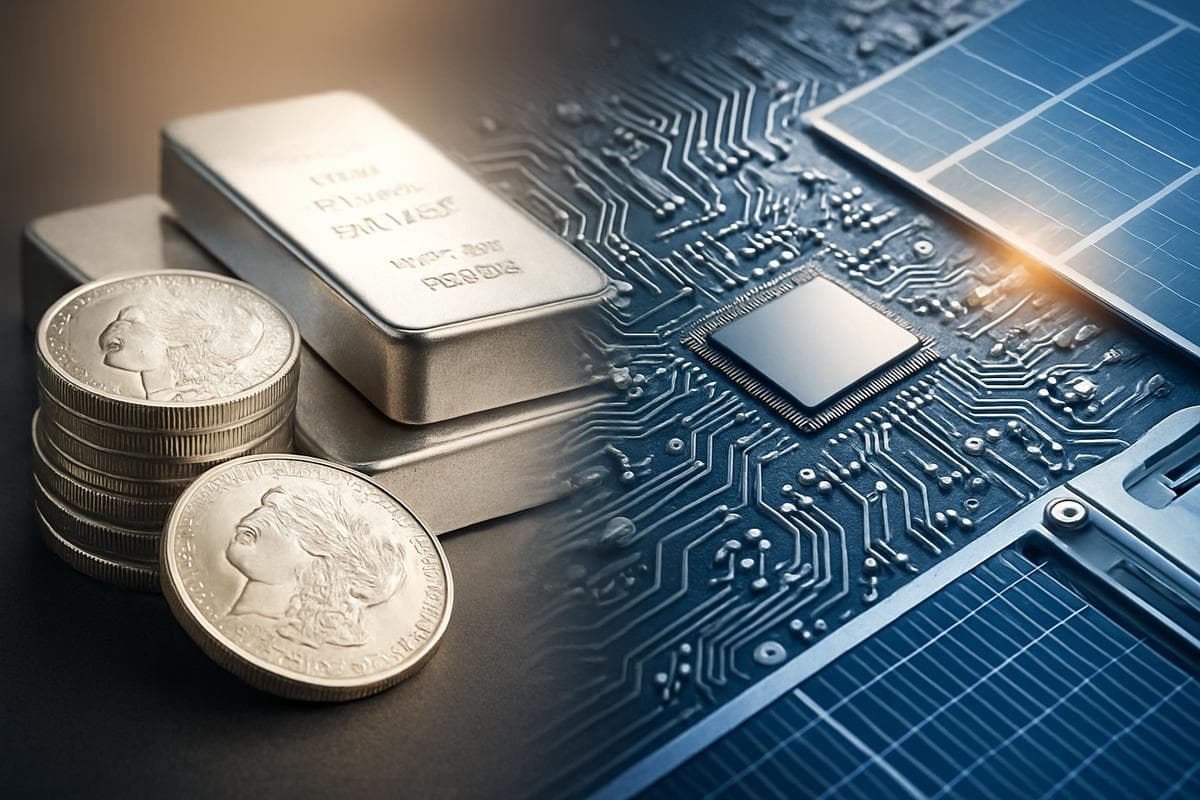
Its electrical conductivity makes it valuable in electronics, electrical contacts and various components used in modern infrastructure. It also plays a role in solar panels, vehicles, power systems and other technologies.
The expansion of data centres and artificial intelligence infrastructure offers another potential source of demand. These facilities require extensive electrical equipment and supporting infrastructure, some of which incorporates silver.
The Silver Institute has identified data centres, AI-related technologies and automotive applications as areas that could support silver consumption over time. [3]
However, the relationship between technological growth and silver demand is not straightforward.
Manufacturers continually look for ways to reduce production costs. When silver becomes expensive, companies have an incentive to use smaller quantities, redesign components or replace the metal with alternatives where technically and economically feasible.
Solar technology illustrates this tension particularly clearly. Solar installations can continue expanding while the amount of silver used in each panel falls.
That means growth in the number of solar panels does not automatically translate into equivalent growth in silver consumption.
The long-term investment case therefore depends on a balance between rising technology deployment and manufacturers' ability to reduce their dependence on the metal.
5. Solar Panels Could Become Both a Buyer and a Threat
Solar energy has become a major part of the debate surrounding silver's future.
Silver is used in photovoltaic cells because its electrical properties help collect and transport the electricity generated by sunlight. As solar capacity expands, manufacturers must balance performance, reliability and cost.
But high silver prices can encourage technological substitution.
The London Bullion Market Association's third-quarter 2026 report highlighted announcements from solar manufacturers exploring the replacement of silver with copper in certain applications. The report also noted that silver's price at the beginning of July was almost 120% higher than a year earlier. [4]
Copper is cheaper and widely available, making it an attractive alternative where manufacturers can adopt it without compromising product performance or durability.
This creates a potential feedback loop for silver prices.
Higher prices make new mining projects and recycling more attractive, but they also encourage industrial users to reduce consumption. If substitution accelerates, some of the demand that helped drive the rally could weaken.
The transition is unlikely to be uniform across every application. Technical requirements, manufacturing processes and the cost of redesigning production lines can limit how quickly alternatives are adopted.
Even so, investors should avoid assuming that solar expansion automatically guarantees ever-rising silver demand. The quantity of silver used per unit of installed capacity matters just as much as the growth of the industry itself.
6. Why Silver Supply Cannot Increase Overnight
When commodity prices rise sharply, producers have an incentive to increase output. Yet mining is a slow-moving industry.
A company cannot simply open a new silver mine and begin delivering large quantities of metal within weeks. Geological assessments, permitting, construction, financing and processing infrastructure all take time.
Silver's by-product status creates an additional complication. If the economics of a lead, zinc or copper mine deteriorate, the operator may reduce production even when silver prices remain relatively high.
According to the Silver Institute's February 2026 outlook, global silver supply was forecast to increase by approximately 1.5% during the year, reaching around 1.05 billion ounces. That forecast anticipated higher mine output and stronger recycling, but still left the market in deficit. [3]
The April World Silver Survey 2026 provides a more detailed assessment of the market and its longer-term outlook. It identifies the possibility of further mine growth and increased recycling while warning that substantial additional recycling capacity would require both sustained high prices and investment. [2]
These constraints help explain why supply may respond more slowly than demand.
However, higher prices can eventually attract new investment, improve the economics of existing operations and bring more scrap metal back into circulation. If supply responds faster than expected, the risk of a prolonged squeeze could diminish.
7. The London Market and the Importance of Available Inventories
London is one of the world's major centres for precious-metals trading, and its silver market is important to the movement of physical bullion between market participants.
The quantity of silver stored in vaults is one useful indicator of the market's physical position. Yet the total amount held in storage should not be confused with the amount available for immediate purchase or delivery.
Some holdings belong to exchange-traded products or other investors who may not intend to sell. Other stocks may be committed to existing transactions or otherwise unavailable to satisfy new demand quickly.
Reuters reported in April 2026 that the amount of silver considered potentially available to support liquidity in London had recovered from the exceptionally tight conditions seen in September 2025. The report also noted that the earlier squeeze had eased, demonstrating that market tightness can change rather than simply intensify over time. [5]
This distinction is essential when assessing claims that the market is running out of silver.
A headline figure for total inventories may appear reassuring, while the immediately accessible portion is much smaller. Conversely, rising available stocks can relieve pressure even when the broader market remains in annual deficit.
Investors should therefore pay attention to changes in accessible inventories, physical premiums, delivery conditions and the relationship between futures prices and the cost of obtaining physical metal.
No single inventory figure can prove that a squeeze is imminent.
8. Could Investors Trigger Another Price Explosion?
Investment demand can intensify silver's supply pressures, especially when buyers seek physical bars and coins.
The Silver Institute's February outlook forecast that global physical investment would rise by approximately 20% in 2026 to around 227 million ounces, supported by renewed interest in precious metals and continued economic and geopolitical uncertainty. [3]
Investment demand can change quickly, however.
When prices rise, momentum-driven buyers may enter the market, expecting further gains. If more investors begin seeking physical metal at the same time, the market can face additional pressure.
But the opposite can happen just as quickly. When prices fall sharply, investors may sell holdings, reduce leveraged positions or move towards assets that offer interest income.
The October sell-off demonstrates that strong longer-term supply arguments do not protect silver from changes in market sentiment. Higher bond yields and a stronger dollar can make a non-yielding asset less attractive, while fears of weaker economic growth can undermine expectations for industrial demand. [1]
Another price surge is possible, but it would likely require a combination of renewed investment demand, continuing physical tightness and supportive broader financial conditions.
Investors should be cautious about treating a short squeeze, a speculative rally and a long-term structural shortage as though they were the same event.
9. Silver Versus Gold: Why the Relationship Matters
Silver often moves in the same general direction as gold, but the two metals respond differently to economic conditions.
Gold is primarily valued as a monetary and investment asset, although it also has industrial uses. Silver has a larger industrial role relative to its market size, which can make it more sensitive to changes in manufacturing and economic activity.
The gold-silver ratio measures how many ounces of silver are needed to purchase one ounce of gold.
When the ratio falls, silver is outperforming gold over the period being measured. When it rises, gold is performing better relative to silver.
Investors sometimes use the ratio to assess relative valuations, but it does not provide a reliable standalone forecast. A lower ratio does not automatically mean silver is expensive, and a higher ratio does not guarantee that silver will catch up.
The London Bullion Market Association's third-quarter report recorded substantial volatility in silver during 2026, with prices ranging from $55.29 to $70.26 per ounce during the quarter. It also noted that silver's price movements were influenced by factors affecting gold as well as industrial developments specific to the metal. [4]
For investors, the comparison is a reminder that silver occupies two worlds. It can benefit from precious-metal investment demand while simultaneously being exposed to the economic cycle.
That dual role can create greater opportunities during a strong rally, but it can also produce sharper losses when financial and industrial conditions deteriorate together.
10. Could a Silver Squeeze Hurt Businesses and Consumers?
A sustained increase in silver prices would not affect every industry equally.
Manufacturers that use significant quantities of silver could face higher production costs. Companies may attempt to absorb those costs, negotiate with suppliers, redesign products or pass some of the increase on to customers.
The impact would depend on how much silver represents in the total cost of a product and whether practical substitutes are available.
For solar manufacturers, higher silver costs could place additional pressure on margins and strengthen the incentive to adopt alternative materials or reduce silver usage.
Electronics and electrical-equipment producers could face similar pressures, although the effect would vary substantially by product.
Jewellery makers and silverware manufacturers are also exposed. The Silver Institute's 2026 outlook expected jewellery and silverware demand to weaken as record prices made purchases less affordable. [3]
For consumers, the consequences could include more expensive silver jewellery and selected manufactured products, although it would be inaccurate to attribute broad inflation directly to silver alone.
Silver is one input among many, and labour, energy, transport, financing and other raw materials often account for much larger shares of total production costs.
A squeeze could nevertheless expose a wider vulnerability: when a relatively small but important industrial material becomes more expensive, manufacturers may face difficult choices about costs, product design and supply-chain resilience.
11. The Bear Case: Why Silver Could Fall Further
The bullish argument is built around years of supply deficits, industrial importance and the possibility of renewed investment demand.
But there are credible reasons silver could remain under pressure.
Higher interest rates: Silver does not pay interest. When yields on cash and government bonds rise, some investors may prefer assets that offer income.
A stronger US dollar: Because silver is commonly priced in dollars, a stronger dollar can make the metal more expensive for buyers using other currencies and weigh on demand.
Weak industrial activity: A slowdown in manufacturing, electronics or construction could reduce consumption.
Material substitution: Manufacturers may accelerate the move towards copper or other alternatives in applications where silver's cost becomes difficult to justify.
Recycling and additional supply: Elevated prices can encourage holders to sell scrap and can improve the economics of existing mining operations.
Investor selling: After a dramatic rally, profit-taking and the unwinding of leveraged positions can amplify price declines.
The October 2026 sell-off shows why these risks cannot be ignored. Silver fell substantially from its January peak even though the market's structural supply concerns remained relevant. [1][5]
The most important distinction is between a long-term supply-demand imbalance and the price investors are willing to pay today.
Even if the market remains in deficit, silver can decline when expectations change or buyers become less aggressive.
12. Three Possible Scenarios for Silver
Silver's next major move will depend on how industrial demand, physical availability and financial conditions interact.
Scenario one: A renewed rally
Investment demand strengthens, accessible inventories tighten and industrial consumption remains resilient. If buyers compete for immediately available metal, prices could recover sharply and physical premiums could rise.
Scenario two: A volatile trading market
The market remains in deficit, but recycling, existing inventories and reduced consumption prevent an acute shortage. Prices fluctuate as investors weigh supply concerns against interest rates, the dollar and industrial demand.
Scenario three: A deeper correction
High borrowing costs and economic weakness reduce investment appetite and industrial consumption. Manufacturers accelerate substitution, while higher prices encourage additional recycling and supply. In that environment, the market's deficit could narrow and silver prices could remain under pressure.
These scenarios are not price predictions. They illustrate the forces that could influence the market, and they are not mutually exclusive over a longer period.
A period of falling prices could eventually encourage jewellery demand or reduce substitution incentives. Conversely, a sharp rally could trigger additional recycling and accelerate efforts to reduce silver use.
Silver's outlook is therefore dynamic rather than predetermined by a single supply-deficit statistic.
13. What Should Investors Watch Next?
Anyone following silver should monitor a combination of physical-market indicators, industrial developments and wider financial conditions.
Annual supply-demand estimates: Changes in forecasts can reveal whether the deficit is widening or narrowing.
Mine production and recycling: Faster growth in either source could reduce the market's dependence on existing inventories.
Accessible physical inventories: Changes in readily available stocks can help identify whether immediate supply conditions are tightening.
Industrial substitution: Developments in solar technology and other applications may alter the amount of silver required for each unit of production.
Investment flows: Demand for physical bars, coins and silver-backed investment products can amplify or offset changes in industrial consumption.
Interest rates and the dollar: These influence the relative attractiveness of precious metals and the purchasing power of international buyers.
Manufacturing activity: Weak industrial conditions can undermine demand even when long-term technology trends remain positive.
Investors should also consider how they obtain exposure. Physical bullion, exchange-traded products, futures and mining shares involve different costs and risks.
Mining shares, for example, are exposed not only to silver prices but also to operating costs, management decisions, financing conditions and the jurisdictions in which companies operate. Leveraged derivatives can magnify losses when prices move against a position.
The existence of a plausible supply squeeze does not eliminate the need for risk management or guarantee a profitable investment.
14. The Final Verdict: Is Another Silver Squeeze Coming?
Silver has a compelling long-term story. It is an important industrial material, global supply has struggled to match demand in recent years, and new technologies continue to create potential uses for the metal.
The Silver Institute's 2026 research points to a sixth consecutive annual market deficit, while industry analysis highlights the importance of accessible inventories and the time required to expand mining and recycling capacity. [2][5]
But the market is more complicated than the bullish narrative suggests.
High prices can destroy some of the demand that initially supported them. Solar manufacturers are exploring alternatives, recycling becomes more attractive as prices rise, and investors can retreat when interest rates and the dollar move against precious metals.
The dramatic reversal from January's record highs to October's lower prices is a clear reminder that structural scarcity does not prevent severe market corrections. [1]
A new squeeze remains possible if physical demand strengthens while accessible inventories tighten. Yet the evidence does not justify treating another price explosion as inevitable.
The decisive question is whether physical demand will grow faster than the market's ability to respond through mining, recycling, substitution and the release of existing stocks.
If supply remains constrained and investment demand returns, silver could find renewed support. If industrial users cut consumption and financial conditions remain unfavourable, the market could continue to struggle despite its longer-term supply challenges.
For now, silver sits at the intersection of two powerful forces: the growing importance of industrial materials in a technology-driven economy and the unpredictable behaviour of global financial markets.
That tension makes the metal worth watching — but it also makes caution essential.
Sources
[1] The Wall Street Journal — “Silver Futures Fall to Lowest This Year as Oil Prices Fuel Inflation Risks,” 22 October 2026 https://www.wsj.com/finance/commodities-futures/silver-futures-fall-to-lowest-this-year-as-oil-prices-fuel-inflation-risks-f013e561
[2] The Silver Institute / Metals Focus — World Silver Survey 2026, April 2026 https://silverinstitute.org/wp-content/uploads/2026/04/World-Silver-Survey-2026.pdf
[3] The Silver Institute — “Global Silver Investment to Remain Strong in 2026 Against the Backdrop of a Sixth Consecutive Annual Market Deficit,” 10 February 2026 https://silverinstitute.org/global-silver-investment-to-remain-strong-in-2026-against-the-backdrop-of-a-sixth-consecutive-annual-market-deficit/
[4] London Bullion Market Association — “LBMA Precious Metals Market Report: Q3 2026,” October 2026 https://www.lbma.org.uk/articles/lbma-precious-metals-market-report-q3-2026
[5] Reuters — “Silver Faces Sixth Year of Deficit With Stock Drawdown Raising Squeeze Risks, Research Shows,” 15 April 2026 https://www.reuters.com/legal/transactional/silver-faces-sixth-year-deficit-with-stock-drawdown-raising-squeeze-risks-2026-04-15/
Published by Banx Network. This article is part of the Banx decentralized media programme, powered by the BXE token on the XRP Ledger.