
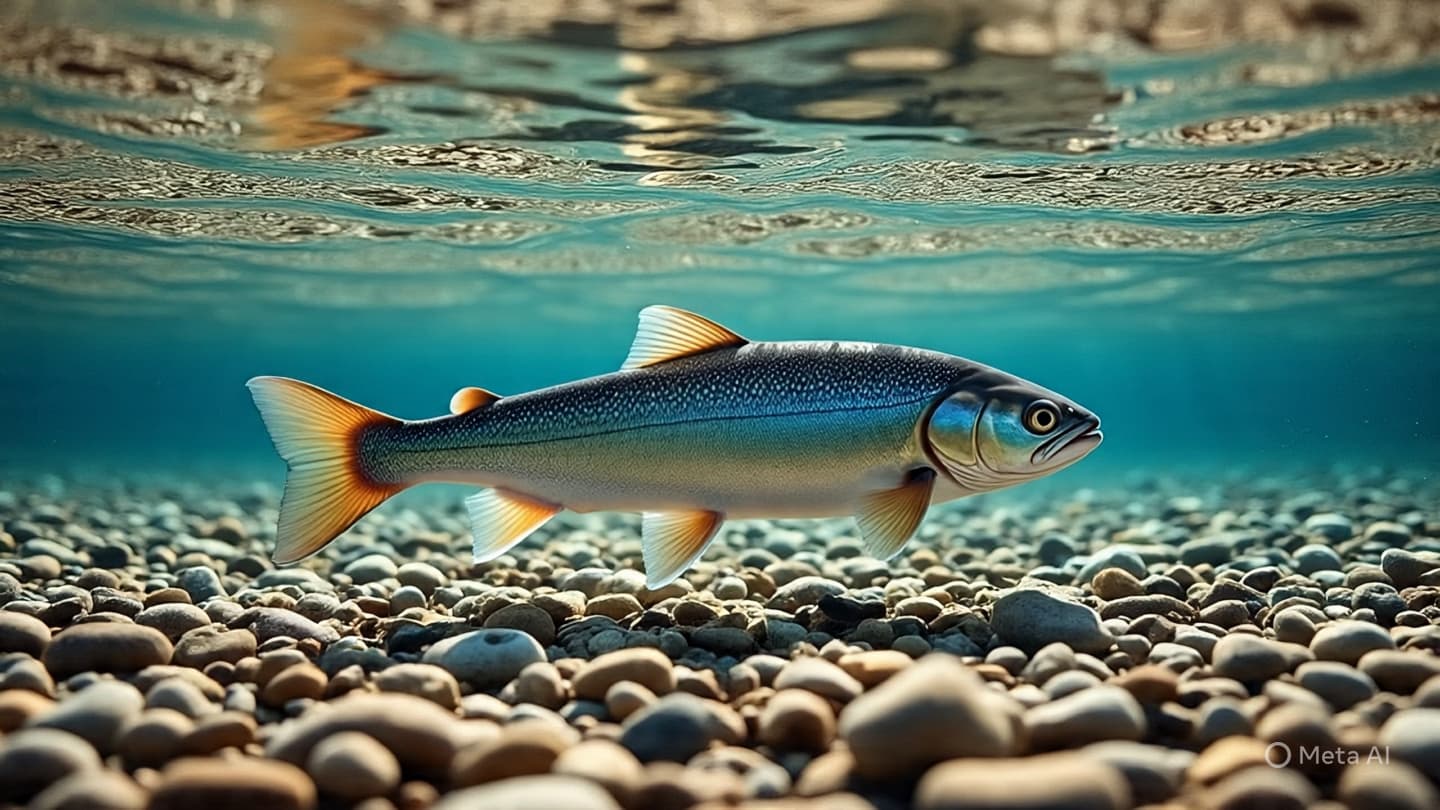
Key Highlights
- The Drina River is experiencing a resurgence in Huchen salmon populations due to conservation efforts.
- Environmental monitoring groups report a 15% increase in wild Huchen over the last two breeding cycles.
- Local authorities have noted improvements in water clarity and oxygen levels, enhancing the river's ecosystem.
The Drina River winds through the Serbian landscape like a ribbon of emerald silk, its waters cold and clear, carrying the memories of a wilder time. Deep within its churning pools and beneath the shadow of limestone cliffs, a legendary inhabitant is making a quiet stand against the encroaching modern world. The Danube Salmon, or Huchen, is a creature of power and mystery, a silver ghost that embodies the untamed spirit of the Balkan waterways. To seek it is to seek a connection to the raw, unpolished heart of the river itself.
For years, the silence of the deep pools has become more profound, with the population of these great fish thinning as the rivers were altered by human hands. However, a new era of stewardship has begun to turn the tide, a movement born of a quiet respect for the delicate balance of the aquatic ecosystem. This effort involves the restoration of spawning grounds and careful monitoring of water quality, all conducted with reverence for the river’s natural cycles.
The Huchen is a predator of immense strength, its body designed for the fast currents and oxygen-rich rapids of the highlands. Watching one move through the water is like witnessing a muscle flex beneath the surface—a display of pure, unadulterated vitality. Its presence serves as a bio-indicator of the river’s health; where the salmon thrives, the water is alive. Protecting it is, by extension, a commitment to safeguarding the very lifeblood of the Serbian countryside.
Conservationists and local enthusiasts work in harmony with the seasons, recognizing that the river cannot be rushed. There is a certain humility in the act of releasing young fish into the wild, a gesture of hope that they will find their way in the complex labyrinth of the river system. This long-term commitment requires the patience of stone and the persistence of flow. We are learning to listen to the river again, to understand the needs of its most majestic inhabitants.
The landscape surrounding the Drina is one of rugged beauty, where mountains seem to press against the sky and forests cling to steep slopes. In this dramatic setting, the struggle for survival plays out in the quietest of ways. The return of the salmon signals that the wounds of the past are beginning to heal, and that the balance of nature can be restored if we provide the space and protection it requires.
An ancestral quality defines the relationship between the people of the river and the fish they protect. Stories of the "King of the Drina" have been passed down through generations, weaving the salmon into local folklore and identity. The effort to save the species is also an effort to preserve cultural heritage, ensuring that legends remain rooted in reality rather than fading into memory.
As the sun sets over the river, casting a golden glow on the ripples and eddies, one can almost feel the presence of the great fish lurking in the depths. They are the silent guardians of the current, survivors of a pre-industrial age that still have a place in our modern world. Their persistence is a reminder that life is tenacious, capable of flourishing even in the face of great challenges if given a chance.
The work continues, day by day, season by season, as steady as the river itself. There are no quick victories here, only the quiet satisfaction of seeing a species reclaim its ancestral home. The Drina flows on, its emerald waters carrying the promise of a future where the silver ghost still haunts the deep pools, a living symbol of a landscape that refuses to let its wildness slip away.
Environmental monitoring groups in Western Serbia have reported a 15% increase in the wild Huchen population over the last two breeding cycles, following the implementation of stricter habitat protection zones. The restocking initiatives, supported by regional ecological funds, have successfully introduced thousands of fingerlings into the upper reaches of the Drina and Lim rivers. Local authorities have also noted an improvement in water clarity and oxygen levels, contributing to the overall stability of the riverine ecosystem.
Published by Banx Network. This article is part of the Banx decentralized media programme, powered by the BXE token on the XRP Ledger.



