
Key Highlights
- Restoration Completion:The National Arts Theatre's renovation is set for April 2026.
- Architectural Significance:The project emphasizes modernist heritage and cultural reclamation.
- Global Impact:Nigeria's approach serves as a model for other megacities.
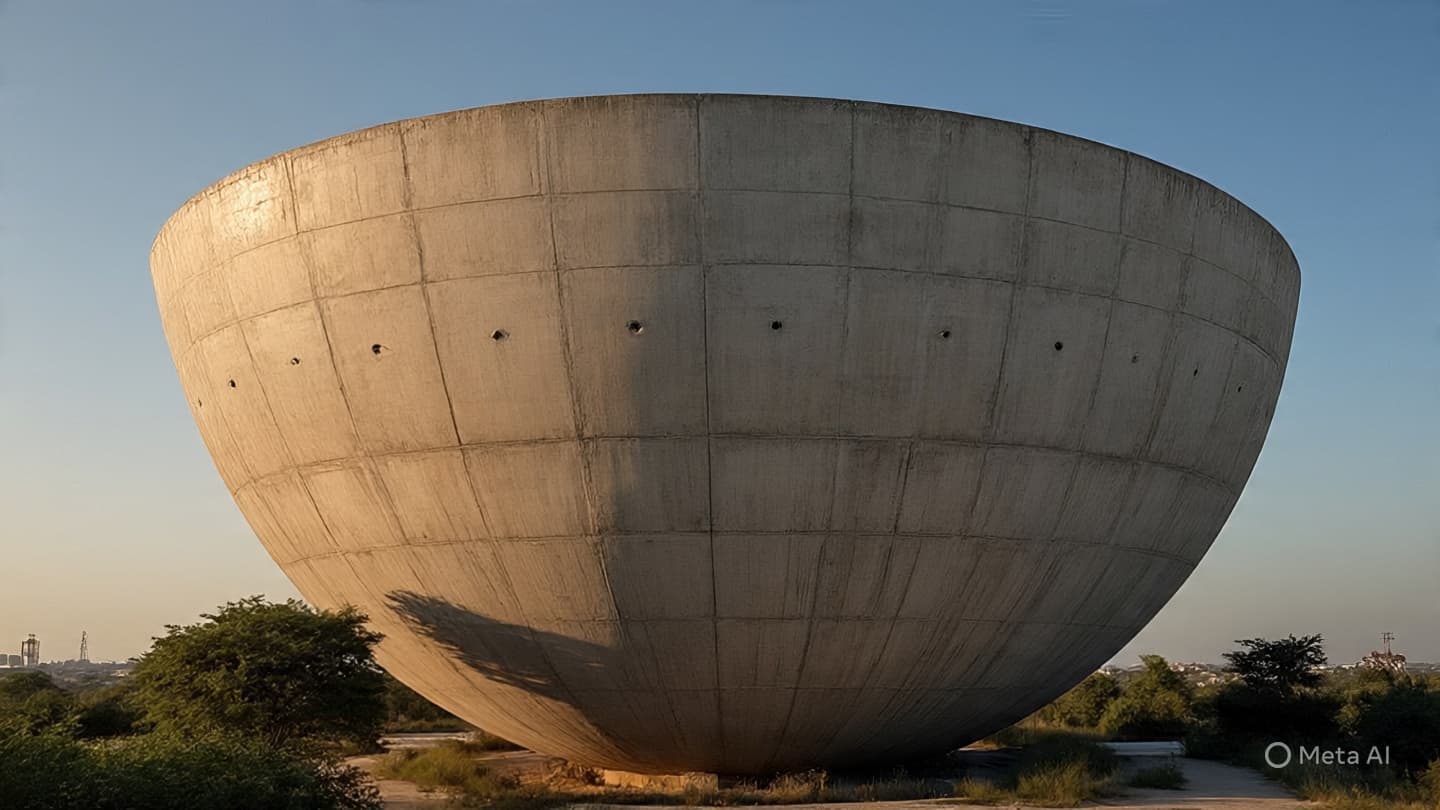
In the sharp and humid air of the Lagos Iganmu district this week, where the iconic silhouette of the National Arts Theatre rises like a military hat above the palms, a new kind of masonry of the form is being polished. As the massive restoration of this brutalist masterpiece nears completion in April 2026, the atmosphere within the concrete halls feels thick with the quiet intensity of a nation realizing that its modernist heritage is a bridge to its future. There is a profound stillness in this cleaning—a collective acknowledgment that the strength of a landmark is found in its ability to adapt without losing its shadow.
This restoration is not merely a physical renovation; it represents an era of "sovereign architectural reclamation." The effort to revitalize the massive theater complex while integrating high-tech performance spaces is a profound act of systemic and aesthetic recalibration. By reinforcing the soaring concrete beams and refreshing the vast plazas, the architects of this structural shield are building a physical and cultural barrier against the future of urban decay and historical neglect. It is a choreography of logic and brutalist conservation.
The architecture of this 2026 vigil is built upon the foundation of radical presence and the honesty of the material. It is a movement that values "the texture of the exposed aggregate" as much as "the capacity of the hall," recognizing that in today’s world, the strength of a global hub is found in the boldness of its public spaces. Nigeria serves as a laboratory for "Modernist Renewal," providing a roadmap for other rapidly growing megacities to navigate "cultural infrastructure" through the power of restoration and adaptive reuse.
As the completion date approaches, the anticipation builds not only for the physical unveiling of the National Arts Theatre but also for the cultural renaissance it symbolizes. This project is a testament to the resilience of modernist architecture and its ability to evolve while maintaining its core identity. The renewed theatre is expected to become a vibrant center for arts and culture, drawing both local and international audiences.
The restoration of the National Arts Theatre is more than just an architectural endeavor; it is a reflection of Nigeria's commitment to preserving its cultural heritage while embracing modernity. As the nation looks towards the future, this project stands as a beacon of hope and a reminder of the importance of historical consciousness in urban development.
Published by Banx Network. This article is part of the Banx decentralized media programme, powered by the BXE token on the XRP Ledger.



