
Key Highlights
- Ongoing strikes by the New Zealand Professional Firefighters Union (NZPFU) highlight issues of pay and staffing.
- Fire and Emergency New Zealand (FENZ) is adapting to ensure public safety during the strikes.
- The strikes reflect broader challenges in the public sector, including rising living costs and extreme weather.
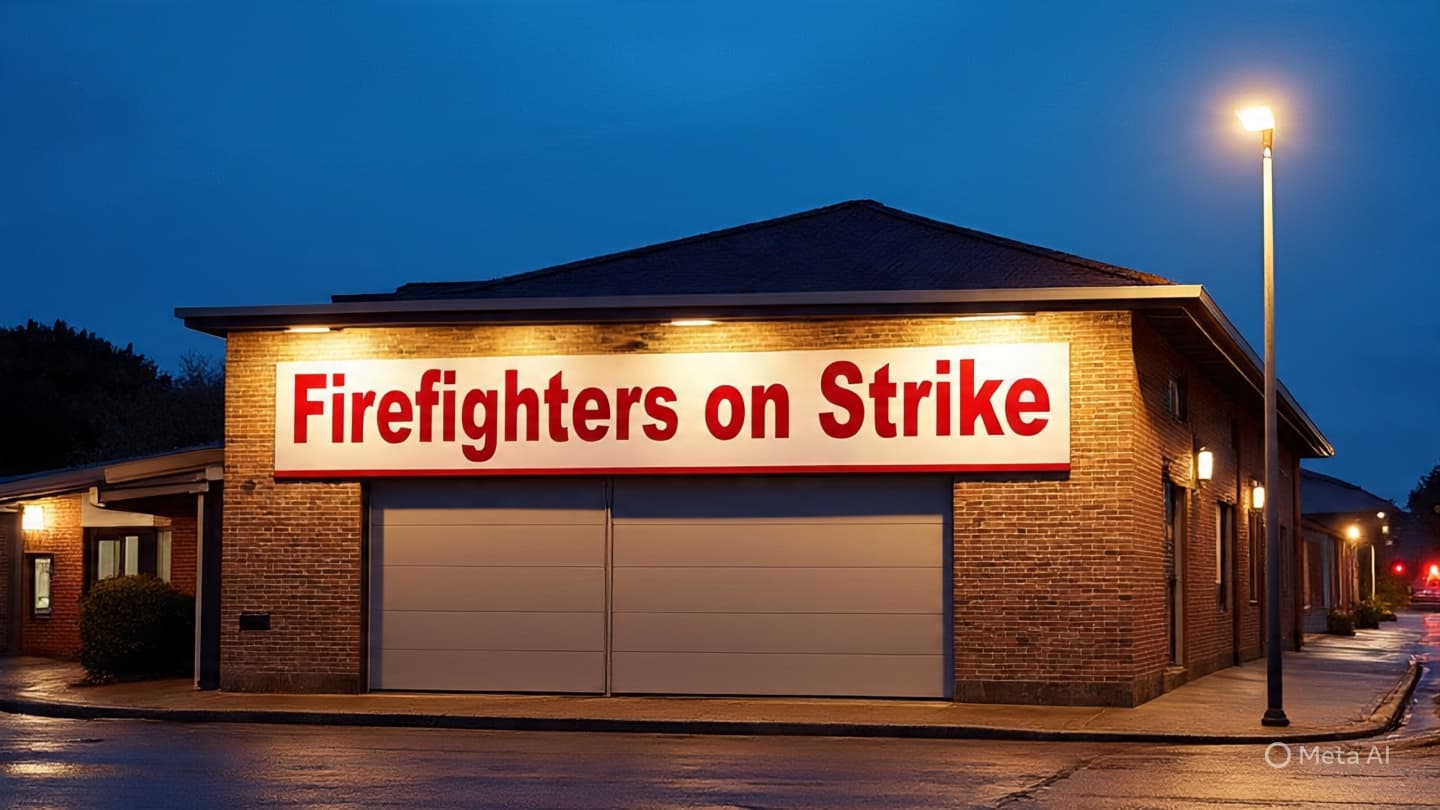
In the quiet hours before dawn, when the streets of Auckland and Wellington are hushed by the autumn mist, fire stations stand as steady, luminous sentinels of public safety. However, this April, the atmosphere inside these stations has taken on a sharper, more focused edge. The New Zealand Professional Firefighters Union (NZPFU) has initiated a series of twice-weekly strikes, a movement born of long-simmering frustration over pay, staffing levels, and the mental health support required for those who spend their lives running toward danger.
There is a profound moral complexity to a strike in emergency services—a tension between the commitment to the community and the need to protect the well-being of the rescuers themselves. During these hour-long stoppages, sirens fall silent, and engines remain in the bays, serving as a visible reminder of the human cost of a system under strain. This powerful assertion of value requests a "fair and sustainable settlement" that recognizes the increasing complexity and risk of the modern firefighting role.
Observing the strike reveals the resilience of the community in a new light. Fire and Emergency New Zealand (FENZ) has responded by prioritizing the most serious incidents and utilizing volunteer crews from neighboring districts to fill the gaps. This coordinated effort ensures that emergency calls are still answered while the industrial dispute unfolds, reminding us that safety is not just about infrastructure but also about the dedication of the people who staff it.
Reflecting on these events, one sees a reflection of the wider challenges facing the public sector in 2026. The rising cost of living and the increasing frequency of extreme weather events have placed an unprecedented burden on first responders. The strike signals that the old ways of operating are no longer sufficient, and a new contract is needed—one that values the psychological resilience of firefighters as much as their physical bravery.
The picket lines outside the stations are places of shared stories and quiet solidarity. Many of those standing in the autumn air have decades of service behind them, having witnessed the most difficult moments of the national narrative. Their request is simple: the resources and recognition required to do their jobs safely and effectively. This narrative of duty is currently being recalibrated through the difficult, necessary process of industrial action.
As the strike periods end and firefighters return to their posts, the focus remains on the negotiating table. There is a collective hope that a resolution can be found that honors the spirit of the service while addressing the pragmatic realities of the workforce. The firehouse remains a sanctuary for the community, a place of hope and help, but it is also a workplace that requires its own form of protection and care.
Deputy National Commander Megan Stiffler has reassured the public that emergency response remains the priority during the strike actions scheduled for late April. FENZ continues to work alongside the NZPFU to reach an agreement, urging citizens to be extra vigilant with fire safety at home during the periods of reduced professional staffing.
Published by Banx Network. This article is part of the Banx decentralized media programme, powered by the BXE token on the XRP Ledger.



