
Key Highlights
- Over 100,000 surgeries postponed in Cuba due to energy shortages.
- Hospitals prioritize life-saving procedures amid critical supply issues.
- Medical staff adapt to challenges with innovative care solutions.
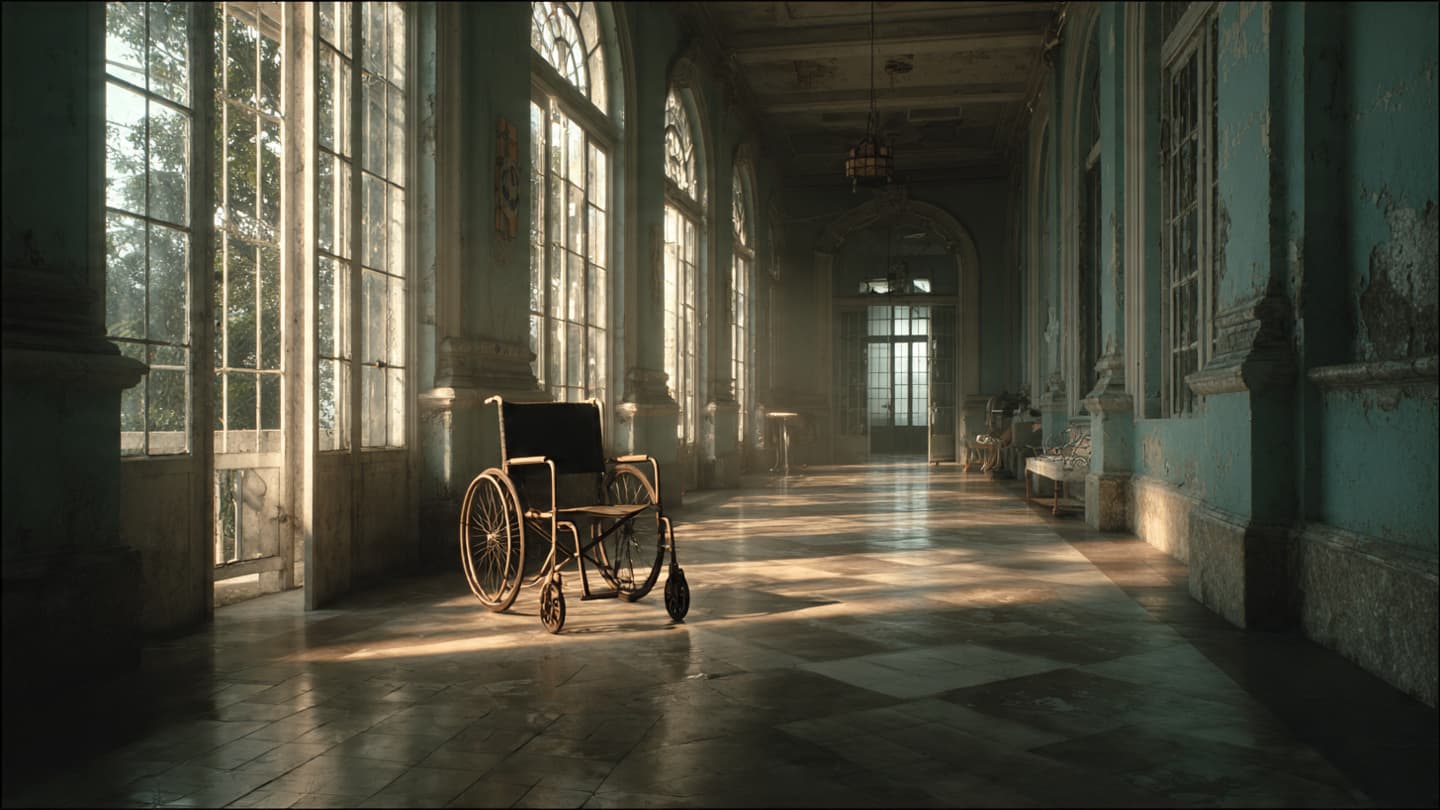
The halls of Cuba’s storied medical institutions, once bustling with the rhythmic efficiency of a world-renowned healthcare system, have fallen into a heavy, contemplative quiet. In the long, sun-drenched corridors where the scent of antiseptic usually masks the salt air, there is now a palpable sense of suspension. The tall, louvered windows offer views of a vibrant island, yet inside, the vital machinery of healing—the monitors, the ventilators, and the surgical lights—waits for a pulse of electricity that has become increasingly elusive.
This medical stillness is the quietest of tragedies, a slow accumulation of moments deferred. In the operating theaters, the stainless steel remains cold and the scrub sinks dry, as the national energy deficit dictates the limits of what is possible. It is a reality that exists in the space between the patient and the physician, a boundary defined not by a lack of skill or will, but by the absence of the simple, invisible current required to sustain a modern clinical environment.
The numbers are staggering in their clinical detachment—over one hundred thousand surgeries placed on an indefinite horizon—yet each digit represents a human narrative caught in a state of anxious waiting. A grandmother in Matanzas, a laborer in Santiago, a child in Havana; they all occupy a landscape of postponed hope. This is an observational crisis, where the diagnosis is known and the cure is within reach, yet the bridge between the two has been fractured by the failure of the grid.
In the pharmacies, the shelves reflect a similar emptiness, as the refrigeration units that house delicate vaccines and antibiotics struggle to maintain the necessary chill. The shortage of fuel affects not only the lights above the surgeon’s table but also the logistics of the entire supply chain, from the delivery of basic saline to the transport of patients from the rural provinces. The system, designed for universal care, is currently performing a desperate triage, focusing only on the most urgent gasps for life.
Doctors and nurses move through the wards with a weary, innovative grace, doing what they can with the resources at hand. They have become masters of the manual, reverting to techniques that rely on the hand and the eye rather than the digital display. There is a profound, somber dignity in this effort, a refusal to surrender to the darkness even as the backup generators growl with the last of their fuel. The white coats are a symbol of a promise that is being tested to its very breaking point.
Beyond the immediate suffering lies a deeper reflection on the vulnerability of a nation’s health when it is tethered to a failing infrastructure. The medical crisis is a mirror of the island's isolation, a moment where the physical reality of the embargo and the internal decay of the industrial plants meet at the bedside. It is a narrative of a lighthouse whose light is flickering, leaving those who depend on its guidance to navigate a turbulent and uncertain sea.
As the sun sets, casting a warm, deceptive glow over the hospital facades, the reality of the evening shift begins. The staff prepares for the hours of darkness, moving those in critical care to areas where the dwindling power is concentrated. There is no panic, only the quiet, focused energy of those who have lived through the "Special Period" and recognize the familiar weight of the current struggle. They wait for the morning, hoping that the next day will bring the fuel needed to restart the heart of the system.
The closing of the day finds the ministry of health in a posture of somber transparency, acknowledging the scale of the backlog. The recovery of these 100,000 procedures will take months, perhaps years, even if the lights were to return to full strength tomorrow. For now, the island remains a place of vigil, where the most sophisticated care is subject to the most basic of needs, and the people continue to endure with a quiet, heartbreaking patience.
The Cuban Ministry of Public Health announced on Thursday that over 100,000 elective surgeries have been postponed nationwide due to critical shortages of medical supplies and the ongoing energy crisis. Officials stated that daily blackouts and a lack of fuel for hospital generators have forced facilities to prioritize only life-saving emergency procedures and oncology cases. The shortage includes basic surgical materials such as sutures, anesthetics, and sterile gauze, further complicating the country's healthcare landscape.
Published by Banx Network. This article is part of the Banx decentralized media programme, powered by the BXE token on the XRP Ledger.



