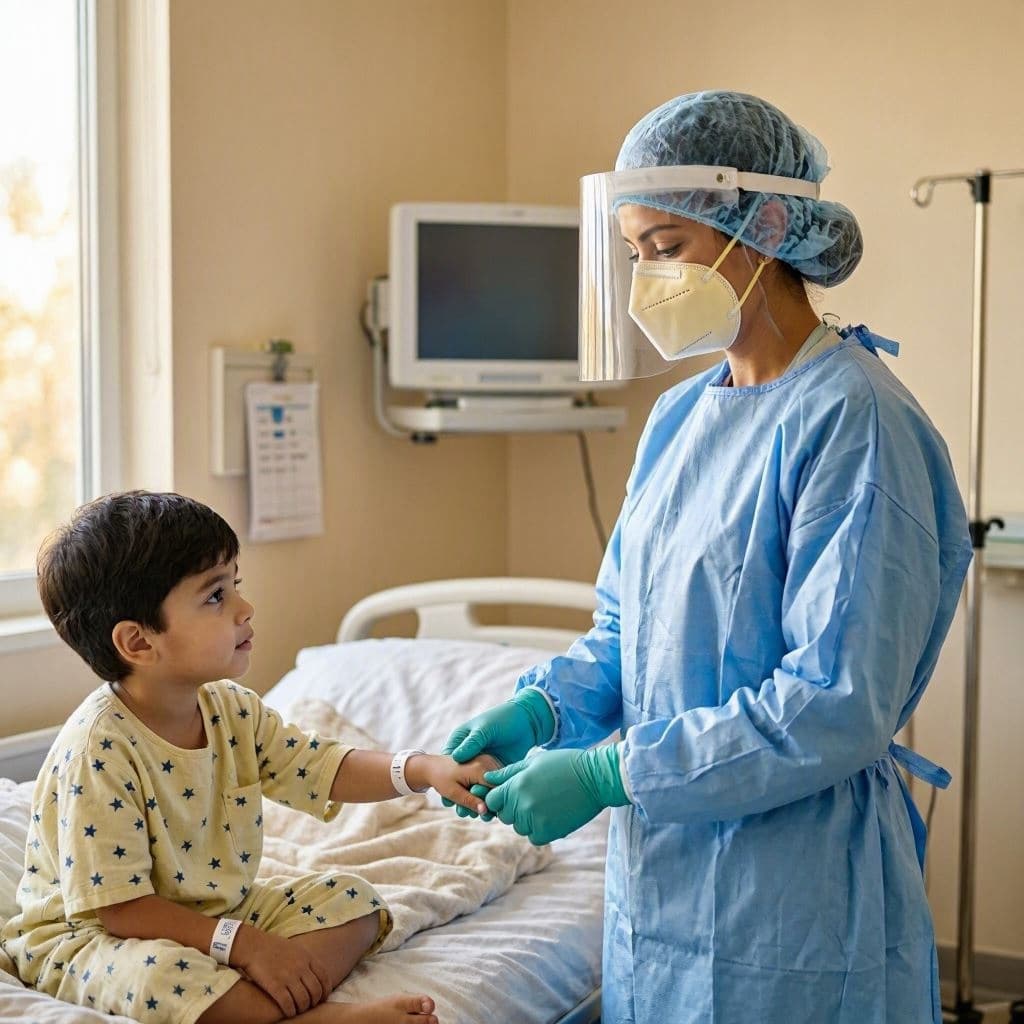
In the chaotic aftermath of a disease outbreak, triage becomes a grim necessity, forcing healthcare workers to make difficult decisions about who receives care first. During the Ebola crises in West Africa and beyond, a disturbing pattern emerged: children were often among the last to receive treatment. This reality is not born of indifference but of complex logistical, clinical, and ethical challenges that disproportionately affect the youngest and most vulnerable patients in emergency settings.
Ebola is a highly contagious and deadly virus, requiring strict isolation protocols to prevent spread. Treatment centers are designed to minimize contact, with staff wearing bulky protective gear that limits mobility and dexterity. For children, who require more frequent monitoring, comfort, and assistance with basic needs, these barriers create significant obstacles. The intense labor required to care for a child in such conditions often strains limited resources, leading to inadvertent delays.
Diagnostic challenges also play a role. Young children may not be able to articulate their symptoms clearly, making early detection harder. Blood draws, necessary for confirmation, are more difficult and distressing for pediatric patients. In high-pressure environments, adults who can communicate their condition and cooperate with procedures may be prioritized for faster processing, leaving children in a limbo of uncertainty.
Furthermore, the social dynamics of affected communities influence care-seeking behavior. Parents, fearing stigma or separation from their children, may delay bringing sick kids to treatment centers. Once admitted, the fear of isolation can deter families from consenting to pediatric care. This hesitation, combined with systemic bottlenecks, results in children presenting later in the course of the disease, when survival chances are lower.
Resource allocation in crisis zones is another critical factor. Pediatric-specific supplies, such as smaller IV needles and oral rehydration solutions, are often in short supply. Healthcare systems geared toward adult populations may lack the specialized training or equipment needed for effective pediatric care. This gap in preparedness exacerbates the disparity, leaving children without the tailored support they need.
Ethical dilemmas abound in these scenarios. Medical teams strive to save as many lives as possible, often focusing on those with the highest probability of survival. Unfortunately, children with severe dehydration or advanced symptoms may be deemed less likely to survive given the resource constraints. This utilitarian approach, while logical in extreme scarcity, leaves a moral scar on caregivers and communities alike.
Efforts are being made to address these disparities. New guidelines emphasize the importance of pediatric-friendly protocols, including family-centered care models that allow parents to stay with their children. Training for healthcare workers now includes specific modules on managing pediatric Ebola cases. These improvements aim to ensure that age does not determine the quality of care in future outbreaks.
The delayed treatment of children during Ebola crises highlights systemic gaps in emergency medical response. By addressing logistical, diagnostic, and ethical challenges, the global health community aims to create more equitable care systems that protect the most vulnerable patients.
AI Image Disclaimer: Visual representations associated with this health topic are generated by artificial intelligence for editorial context.
Sources: World Health Organization (WHO) Médecins Sans Frontières (MSF) The Lancet Infectious Diseases
Published by Banx Network. This article is part of the Banx decentralized media programme, powered by the BXE token on the XRP Ledger.