
Key Highlights
- UN Human Rights Council voted to extend oversight of Eritrea.
- Eritrea's government requested termination of the investigation.
- The decision reflects ongoing international concern for human rights.
The United Nations Human Rights Council, in a recent session held in Geneva, has officially voted to extend the mandate of the Special Rapporteur on the situation of human rights in Eritrea. This decision comes in response to a request from the Eritrean government to terminate the independent investigation into its domestic affairs, a move that has been met with disappointment from Asmara. The resolution, supported by a majority of member states, underscores the international community's commitment to monitoring civil liberties and judicial transparency within Eritrea.
Eritrea's bid to end the investigation reflects a desire for sovereignty and a belief that the time for external scrutiny has passed. However, the council's rejection suggests that there is still much to be discussed regarding the human rights situation in the country. The ongoing inquiry is seen as a vital mechanism for ensuring accountability and transparency, particularly in a nation that has long been characterized by its isolation from the global community.
The implications of this decision are significant, not only for Eritrea but also for the broader Horn of Africa region. The UN's stance indicates a persistent global interest in the human rights conditions faced by Eritreans, who have endured years of repression and limited freedoms. The council's decision serves as a reminder that the path to full integration into the international community often requires a commitment to transparency and accountability.
In response to the council's decision, Eritrean officials have characterized the move as politically motivated and detrimental to regional stability. They argue that the ongoing scrutiny undermines their efforts to foster a more positive image on the world stage. This tension highlights the complex dynamics at play between national sovereignty and international human rights standards.
As the inquiry continues, it will gather information that seeks to shed light on the realities of life in Eritrea. The hope is that this process will lead to a more transparent future, where the rights and dignity of individuals are respected and upheld. The dialogue at the UN represents a critical juncture in the relationship between Eritrea and the global human rights community, as both sides seek to find common ground.
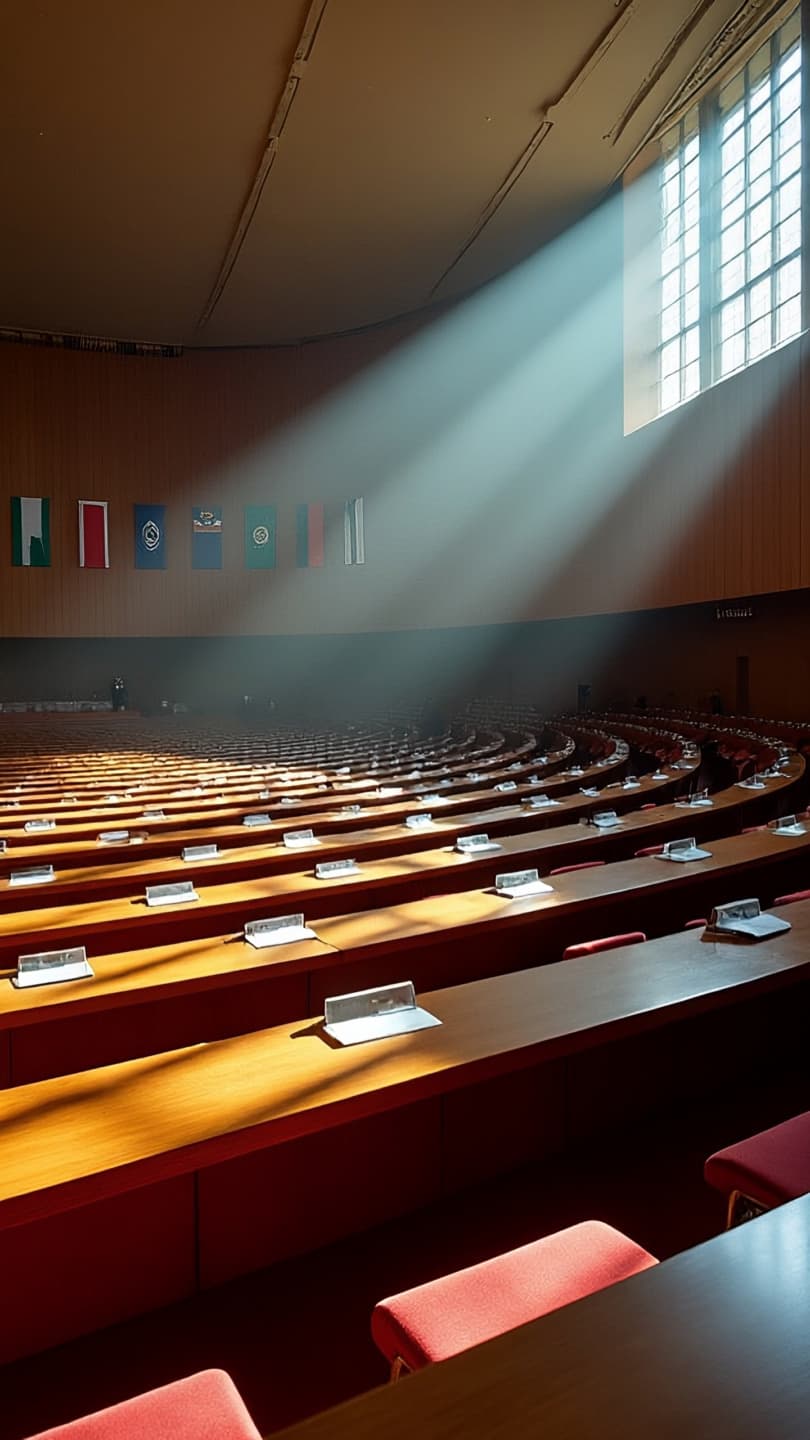
The relationship between Eritrea and the international community remains in a state of delicate evolution. The UN's decision to extend oversight reflects a broader commitment to human rights that transcends borders, emphasizing that the protection of individual rights is a shared responsibility. As the delegates leave the hall and the lights dim, the implications of this decision ripple outward, signaling that the conversation about rights and responsibilities is far from over.
In conclusion, the UN Human Rights Council's rejection of Eritrea's request to end oversight is a significant development in the ongoing dialogue about human rights in the country. It highlights the complexities of balancing national sovereignty with the need for accountability and transparency, a challenge that will continue to shape Eritrea's relationship with the global community in the years to come.
Published by Banx Network. This article is part of the Banx decentralized media programme, powered by the BXE token on the XRP Ledger.



