
Key Highlights
- Initiative Launch:Ghana's national seagrass restoration initiative begins in April 2026.
- Ecological Impact:The project aims to enhance coastal health and combat climate change.
- Community Involvement:Local communities play a crucial role in the restoration efforts.
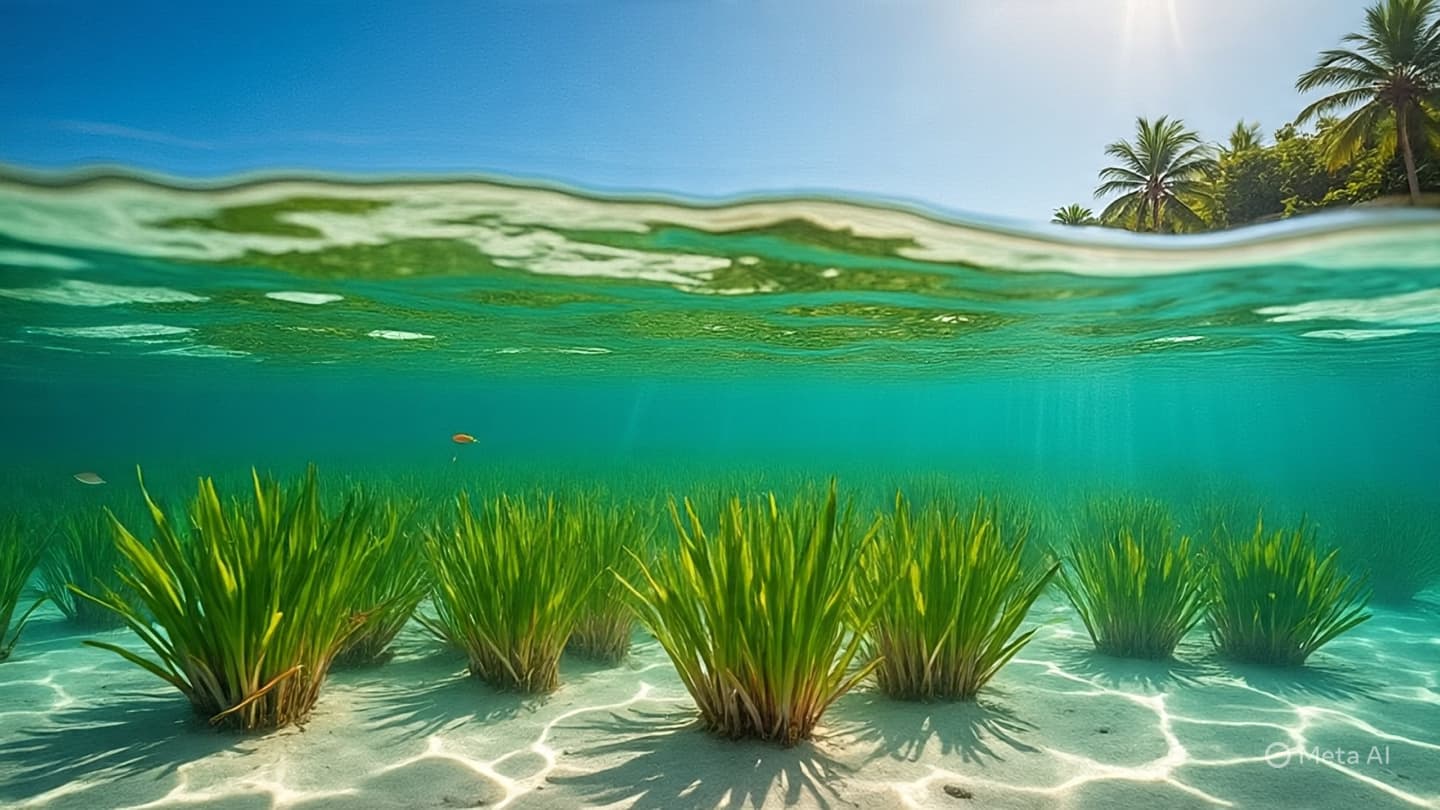
Ghana is set to embark on a transformative journey with the launch of its national seagrass restoration initiative in April 2026. This ambitious project aims to revitalize the coastal ecosystems of the Keta lagoon, where the turquoise waters conceal a vibrant underwater forest. As the nation prepares for this significant environmental undertaking, there is a palpable sense of urgency among coastal communities, who recognize that their future is intricately linked to the health of the ocean.
The initiative is not merely about planting seagrass; it represents a broader movement towards what has been termed "sovereign blue carbon guardianship." This concept underscores the importance of restoring underwater meadows as a means of addressing climate change and enhancing biodiversity. By reestablishing these vital ecosystems, Ghana is taking a proactive stance against coastal erosion and the loss of marine life, which are pressing issues exacerbated by climate change.
The act of planting seagrass is imbued with deeper significance. It symbolizes a collective commitment to ecological stewardship and a recognition that the health of the ocean is paramount for the well-being of the land. This initiative is a testament to the understanding that the ocean's vitality directly influences terrestrial ecosystems, creating a symbiotic relationship that must be nurtured.
As Ghana leads the way in marine restoration, it serves as a model for other coastal nations grappling with similar challenges. The country's approach to blue carbon solutions provides a roadmap for integrating environmental restoration into national climate strategies. By prioritizing community involvement and education, Ghana is fostering a sense of ownership among local populations, empowering them to become active participants in the restoration process.
The architecture of this initiative is built on the principles of ecological integrity and resilience. The seagrass meadows act as natural barriers, filtering pollutants and providing habitat for diverse marine species. This restoration effort is not only about enhancing biodiversity but also about creating a sustainable future for coastal communities that rely on healthy marine ecosystems for their livelihoods.
In conclusion, Ghana's seagrass restoration initiative is a bold step towards a sustainable future. By recognizing the interconnectedness of land and sea, the nation is paving the way for innovative climate solutions that prioritize ecological health and community engagement. As the project unfolds, it will undoubtedly serve as a beacon of hope and a model for other nations seeking to address the pressing challenges of climate change and environmental degradation.
Published by Banx Network. This article is part of the Banx decentralized media programme, powered by the BXE token on the XRP Ledger.



