Beneath the shimmering surface of the Pacific Ocean, a silent and invisible crisis is unfolding. As global temperatures rise, the waters off the coast of California are losing a vital element for life: oxygen. This process, known as deoxygenation, is not merely a statistical anomaly but a profound shift in the marine ecosystem that threatens the delicate balance of life beneath the waves. For the experts who study these changes, the decline is a clear signal of a planet under stress.
The warming of the ocean creates a barrier that prevents oxygen from mixing into deeper layers, effectively suffocating the habitats of countless species. From the smallest plankton to the largest whales, every creature depends on this dissolved gas, making its scarcity a threat to the entire food web. The situation in California serves as a microcosm of a global challenge, highlighting the urgent need for understanding and action.
Body: Scientists from institutions such as the Scripps Institution of Oceanography have been monitoring these trends with increasing concern. Their data reveals that warmer water holds less oxygen than cooler water, a basic physical principle that has significant ecological consequences. As the surface layer heats up, it becomes more stratified, reducing the vertical mixing that normally replenishes oxygen in the depths.
This lack of mixing creates "dead zones" where oxygen levels drop too low to support most marine life. In these areas, fish and other organisms must either flee to shallower, oxygen-rich waters or face mortality. The displacement of species can disrupt local fisheries and alter the structure of marine communities, with ripple effects that extend to human economies.
California’s 2026 Coast and Ocean Report highlights deoxygenation as one of the key indicators of declining ocean health. The report underscores the interconnectedness of climate change, ocean chemistry, and biodiversity. It serves as a call to action for policymakers and the public to recognize the severity of the issue and support measures to mitigate its impact.
The loss of oxygen also exacerbates other stressors, such as ocean acidification and pollution. Together, these factors create a hostile environment for many species, reducing their resilience and ability to adapt. For commercially important species like salmon and crab, the implications are particularly dire, as they rely on specific oxygen conditions for spawning and growth.
Experts warn that without significant reductions in greenhouse gas emissions, the trend of deoxygenation will continue to accelerate. The window for effective intervention is narrowing, making every effort to curb climate change critical. Local initiatives, such as protecting coastal wetlands and reducing nutrient runoff, can help improve water quality and support oxygen levels.
Public awareness plays a crucial role in driving change. By understanding the link between their actions and the health of the ocean, individuals can make choices that contribute to a more sustainable future. Education and outreach efforts are essential in building a constituency for ocean conservation.
As the scientific community continues to gather data, the picture becomes clearer. The decline in oxygen is not an isolated event but part of a broader pattern of environmental change. Addressing it requires a coordinated response at local, national, and global levels.
Closing: The warning from California experts is a sobering reminder of the fragility of our marine ecosystems. It calls for a collective commitment to protecting the oceans, ensuring that they remain vibrant and life-sustaining for generations to come.
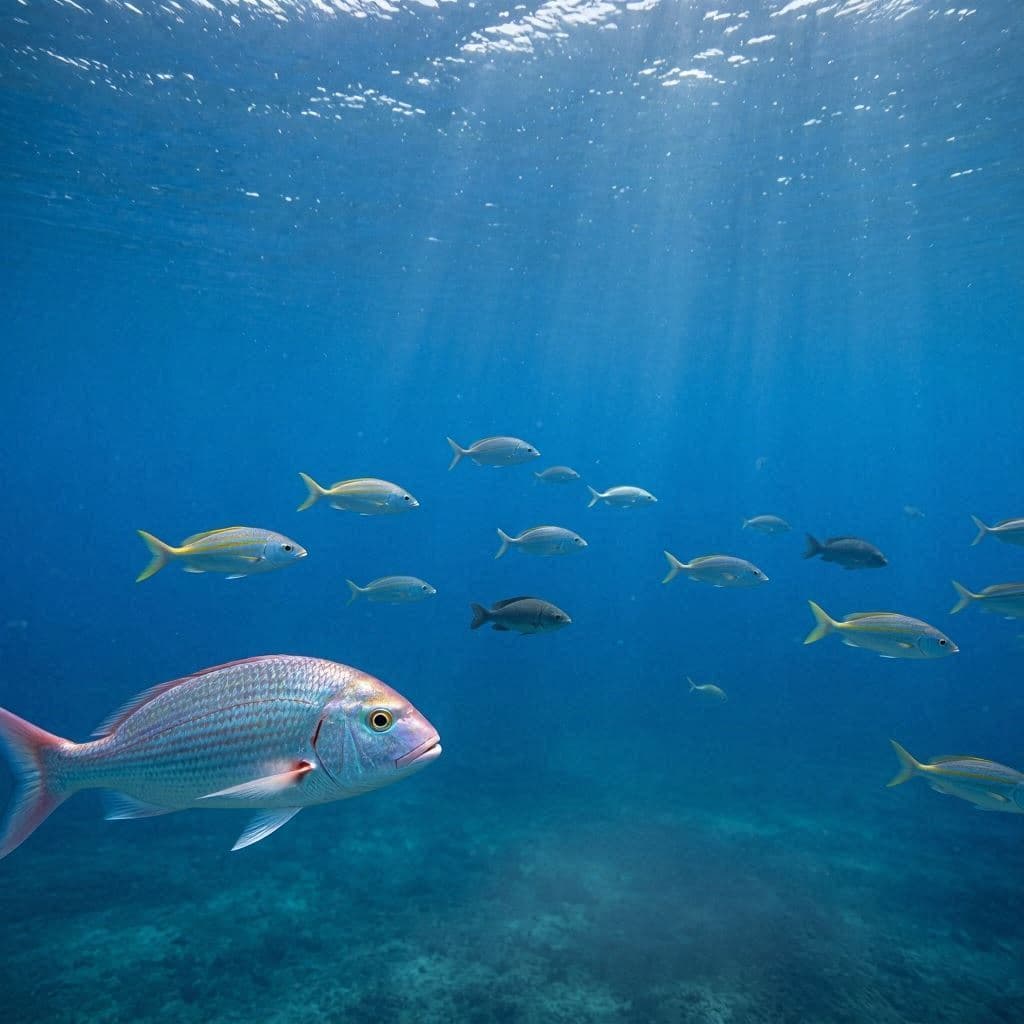
AI Image Disclaimer: The visuals accompanying this article are AI-generated illustrations designed to reflect the themes of ocean health and deoxygenation.
Sources: SFGate Science Daily Scripps Institution of Oceanography California Ocean Protection Council
Published by Banx Network. This article is part of the Banx decentralized media programme, powered by the BXE token on the XRP Ledger.