In a world crowded with invisible signals, one quiet technology built a bridge between devices without demanding attention. Bluetooth, named after a medieval Scandinavian king known for uniting tribes, became the unlikely diplomat of modern electronics—making headsets, speakers, cars, and countless gadgets speak the same language without wires. Its history is not just about technology, but about a philosophy of seamless connection.
The idea began in the late 1990s, when engineers at Ericsson searched for a low-power, short-range alternative to the mess of data cables. At first, it seemed almost modest: a way to link a phone to a computer without cords. But as more companies joined, forming what became the Bluetooth Special Interest Group, the project turned into something bigger—a shared standard that any manufacturer could use. In a world where proprietary systems ruled, that was a quiet revolution.
Adoption was slow at first. Early devices struggled with reliability, pairing was clumsy, and skeptics wondered if anyone really needed it. Yet the principle of invisible, automatic connection kept pushing forward. By the mid-2000s, Bluetooth was woven into daily life. From wireless keyboards to car audio, it offered freedom not just from cables, but from incompatibility.
Over the years, Bluetooth evolved, learning to carry richer audio, transmit data faster, and conserve battery life. It spread into health monitors, smart home devices, and wearables. Today, it sits almost unnoticed in billions of products, a hidden pulse of modern living. What once felt novel now feels natural.
Its story is a reminder that innovation does not always arrive with fireworks. Sometimes it arrives as a whisper—two devices finding each other across the air, connecting in silence, and making our world feel just a little closer.
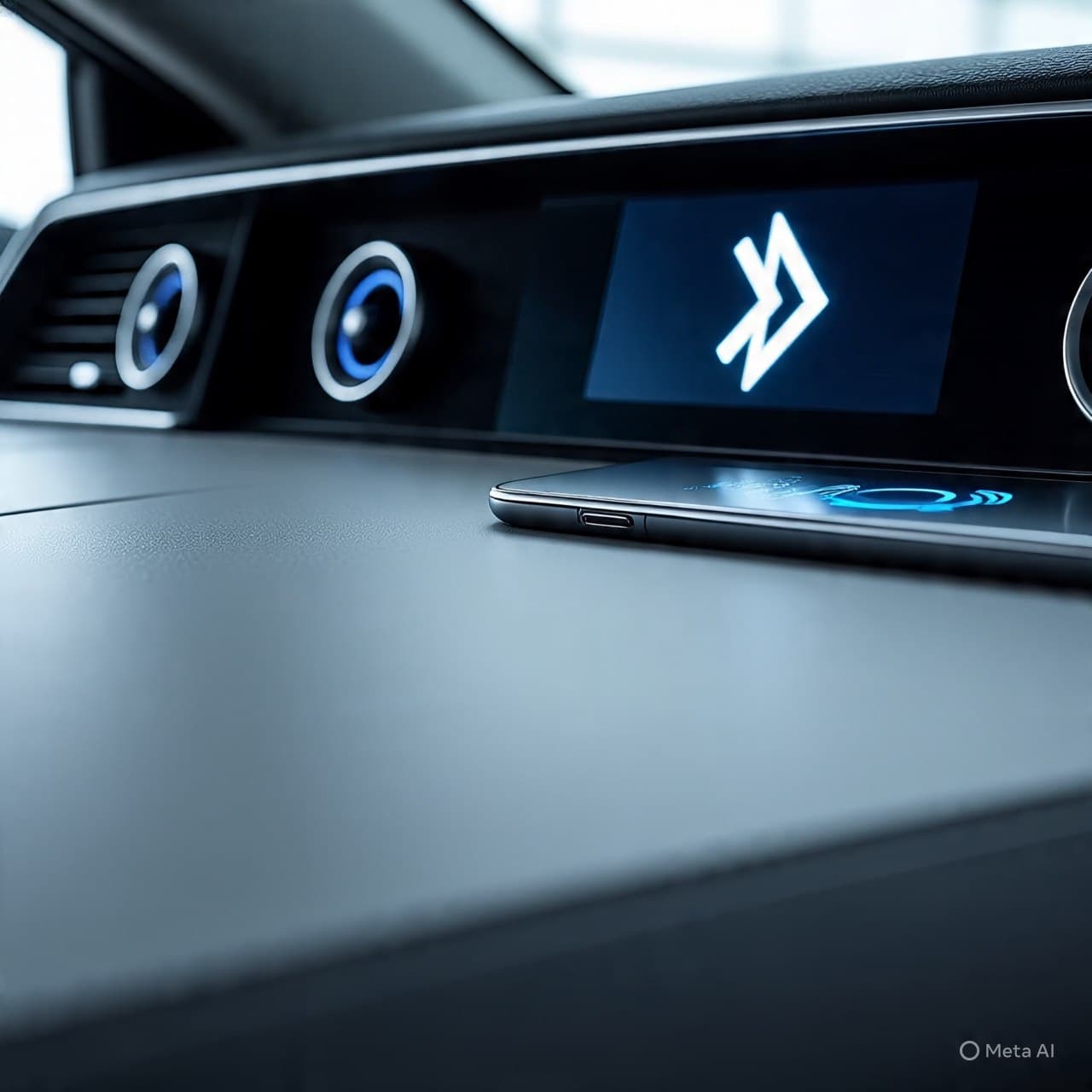
*Disclaimer: featured images are created by meta ai, they may contain errors and not match the original version.*
Published by Banx Network. This article is part of the Banx decentralized media programme, powered by the BXE token on the XRP Ledger.