
Key Highlights
- Olive oil prices in Italy have surged due to poor harvests in Puglia.
- Erratic weather and agricultural pests have led to lower yields.
- The situation impacts both domestic consumers and international exports.
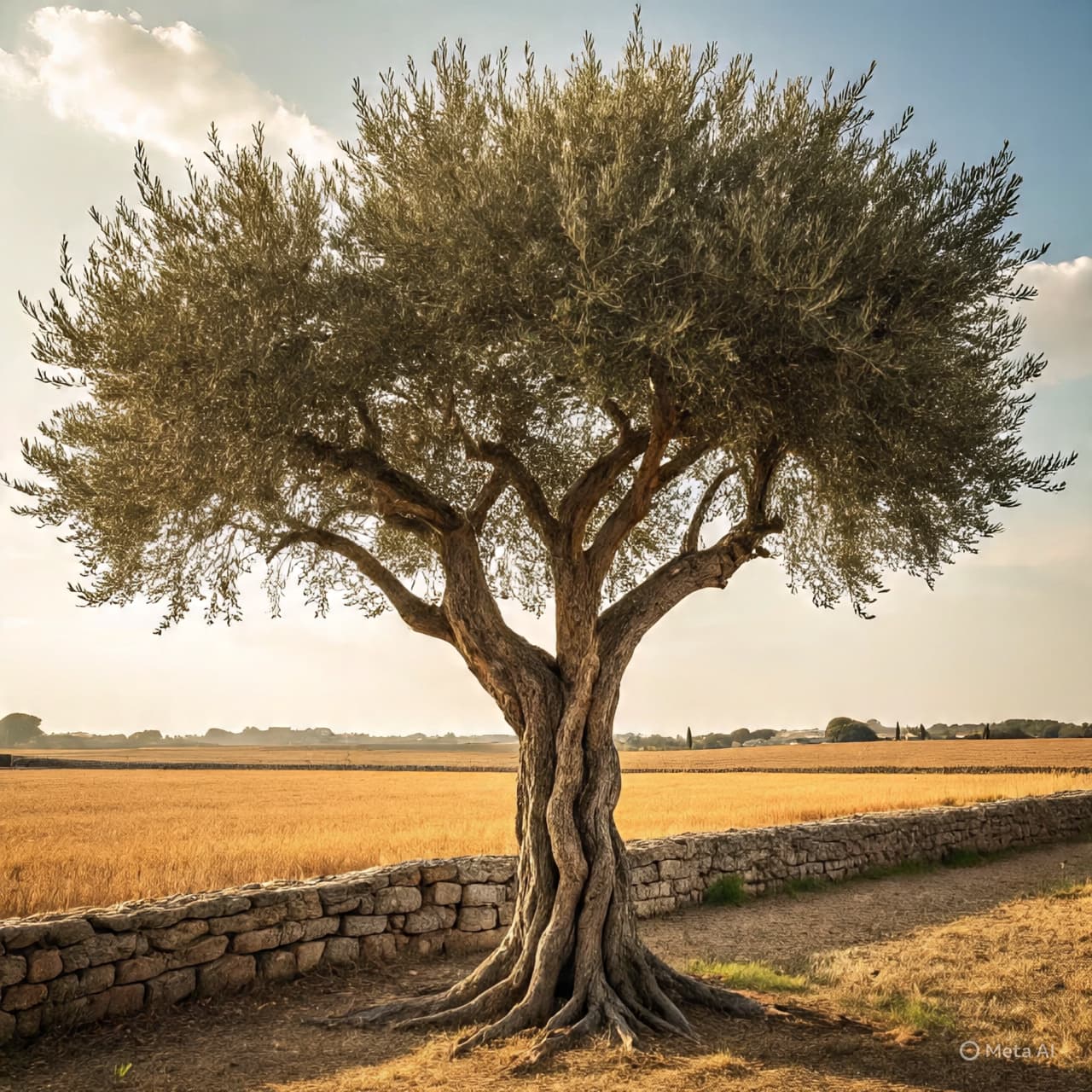
The olive trees of Puglia are the elders of the landscape, their twisted, silver-green forms standing as witnesses to the passage of centuries. They have seen empires rise and fall, yet they remain anchored to the red soil, their roots reaching deep into the history of the peninsula. During the harvest season, a profound stillness envelops the groves—a time of labor and tradition that usually yields the liquid gold that is the lifeblood of the Mediterranean kitchen.
Currently, the surge in olive oil prices reflects a delicate balance between the earth’s generosity and the shifting climate. This narrative of scarcity is told through empty baskets and quiet mills in southern Italy. The economic shift highlights the vulnerability of our most basic traditions, suggesting that even the most enduring symbols of our heritage are subject to the whims of nature and the changing environment.
The geography of the harvest is a map of struggle and adaptation. In the shadow of ancient stone farmhouses, farmers engage in conversations filled with concern and quiet determination. This dialogue reflects the needs of the market against the realities of the grove, where a lack of rain or the arrival of a blight can alter the fate of an entire region. The atmosphere is one of pensive waiting, recognizing that the oil is more than just a commodity; it is a cultural necessity.
The process of extracting olive oil is a slow, mechanical endeavor that preserves the essence of the fruit and the memory of the sun. This careful extraction is a testament to the belief that quality is born of patience and a deep understanding of the rhythms of the land. The final, vibrant liquid hides the year-long toil of pruning, watering, and watching, embodying the commitment to quality that defines Italian culinary traditions.
As the harvest shortfall ripples through the markets of Rome and Milan, the prices reflect the struggles of the south. In kitchens across the country, the use of olive oil becomes a more measured act, reminding consumers of its value and the effort required to produce it. This commitment to the olive is the silent foundation of the Italian culinary identity, driving a tradition that prioritizes the purity of the ingredient above all else.
As the day ends and long shadows stretch across the groves, the sense of stewardship remains. The olive tree is not merely a source of income; it is a member of the family, a living link to the ancestors who first planted these hills. Guardians of the land work diligently to protect the trees from modern threats, ensuring that the tradition of olive oil production continues for future generations.
Recognizing our vulnerability to the elements is a lesson in resilience, reminding us that the earth provides in its own time and measure. The Italian perspective on agriculture emphasizes a relationship with the land based on mutual respect and long-term commitment, ensuring that even in years of scarcity, the spirit of the harvest remains unbroken.
Olive oil prices have seen a significant surge across Italy following a series of poor harvests in Puglia, the country’s primary producing region. A combination of erratic weather patterns and ongoing battles with agricultural pests has led to a lower-than-expected yield for the 2025-2026 season. According to La Gazzetta del Mezzogiorno, this supply crunch has pushed wholesale prices to record levels, impacting both domestic consumers and the international export market.
Published by Banx Network. This article is part of the Banx decentralized media programme, powered by the BXE token on the XRP Ledger.



