
Key Highlights
- Urban Re-Wilding:Hong Kong's initiative aims to enhance biodiversity.
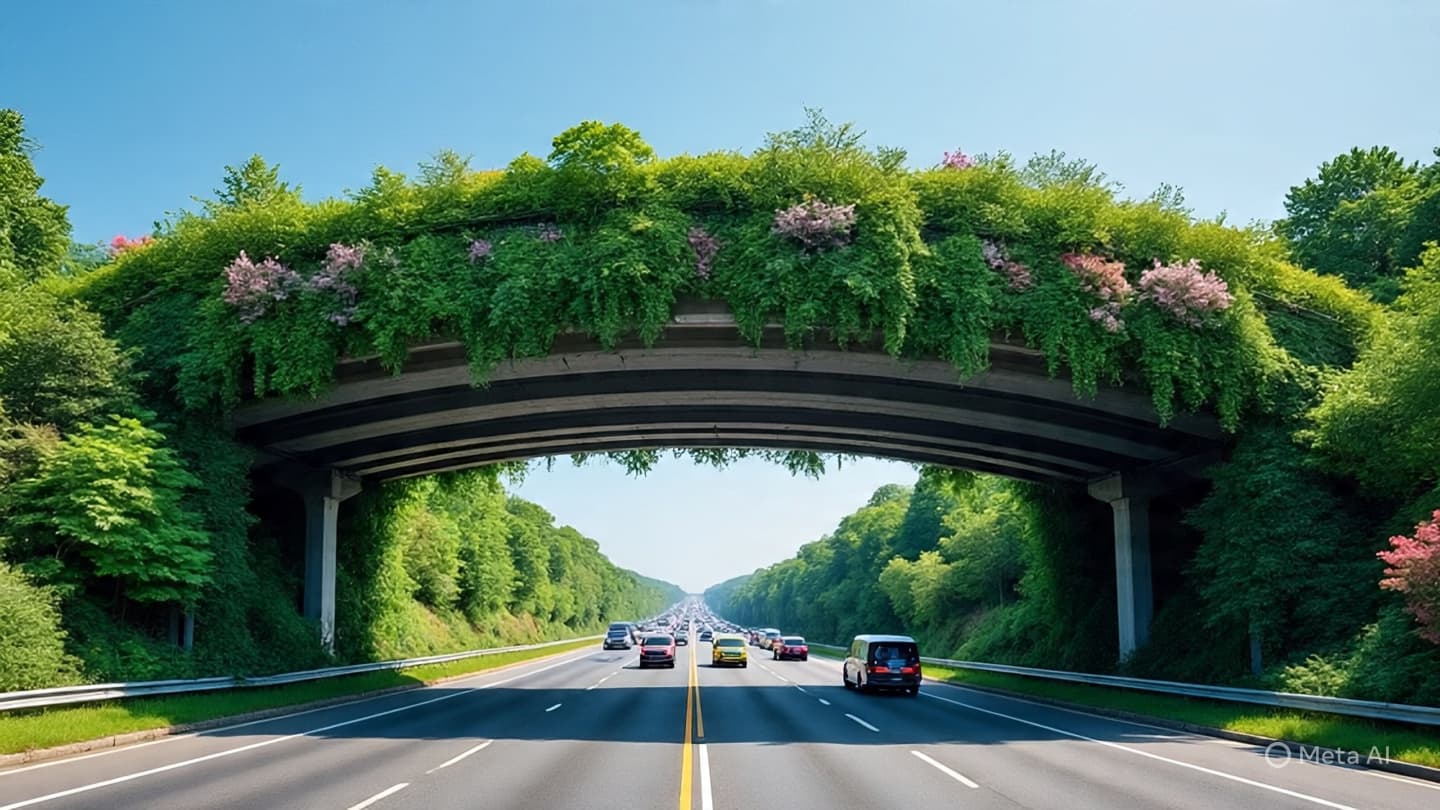
- Wildlife Corridors:Three major green bridges completed in April 2026.
- Nature-Positive Strategy:Integrating biodiversity into urban planning.
In the sharp and humid air of the Lantau highlands this week, where the sound of the wind through native oak meets the distant hum of the city, a new kind of ecological masonry is taking root. As Hong Kong expands its Urban Re-Wilding corridors in April 2026, the atmosphere in the green belts feels thick with the quiet intensity of a city realizing that its survival depends on the diversity of its non-human residents. There is a profound stillness in this growth—a collective acknowledgment that a metropolis is only as healthy as the soil beneath its feet.
This transition marks an era of integrated urban biodiversity. The effort to reconnect fragmented forest patches with green bridges across highways is not merely a landscaping project; it is a profound act of systemic and biological recalibration. By allowing wildlife to migrate safely between the hills and the coast, the architects of this wild shield are building a physical and natural barrier against the future of urban heat and ecological collapse. It is a choreography of logic and botanical restoration.
The architecture of this 2026 vigil is built upon the foundation of radical presence and restorative design. It is a movement that values the connectivity of life as much as the density of housing, recognizing that in today’s world, the strength of a global hub is found in its environmental resilience. Hong Kong serves as a laboratory for Biophilic Urbanism, providing a roadmap for other crowded cities to navigate habitat loss through the power of indigenous planting and smart ecological monitoring.
Inside the nurseries where rare orchids are propagated and on the slopes where reforestation teams work in silence, the focus remains on the sanctity of natural balance. There is an understanding that the strength of a city is found in its ability to let nature breathe. This transition toward a model of The Green Lung acts as an engine of national recovery that is quiet yet beautiful, bridging the gap between the grey expanses of the past and the verdant horizons of the future.
There is a poetic beauty in seeing a hawk soar over a skyscraper, its path guided by a corridor of trees we planted with intention, a reminder that we possess the intelligence to share our space with the wild. The surge of urban forestry in 2026 is a reminder that the world is bound by the threads of our shared biological fate. As the first migratory birds return to the newly restored wetlands, the atmosphere breathes with a new clarity, reflecting a future built on the foundation of transparency and the quiet strength of a flourishing ecosystem.
The city’s edges are no longer seen as boundaries, but as transition zones where the artificial and the organic negotiate their existence. In these spaces, the concrete softens, and the greenery becomes a functional part of the infrastructure, cooling the air and filtering the rain. It is a marriage of necessity and beauty, where the engineering of the city serves the requirements of the earth. We are learning to build with the grain of the planet rather than against it.
This re-wilding is a silent testament to a shift in human priorities, a move away from conquest toward companionship with the natural world. It recognizes that the health of the citizen is inextricably linked to the health of the butterfly and the tree. As the canopy thickens over the footpaths, the city finds a new kind of peace, a rhythmic pulse that matches the seasons rather than the market. It is the sound of a city finding its true home.
Ultimately, the sentinel of the wild canopy is a story of resilience and vision. It reminds us that our greatest masterpiece is the one we build to ensure the earth remains a sanctuary for all life. In the clear morning light of 2026, the leaves unfurl and the birds sing, a steady and beautiful reminder that the future of this city is found in the integrity of its environment and the brilliance of its people.
The Hong Kong Agriculture, Fisheries and Conservation Department has reported the completion of three major wildlife corridors on Lantau Island in April 2026. These green bridges are designed to link isolated habitats, promoting genetic diversity among local species and reducing urban heat island effects. This initiative is part of the city’s broader Nature-Positive strategy, which aims to integrate biodiversity into urban planning to combat climate change and improve the quality of life for all.
Published by Banx Network. This article is part of the Banx decentralized media programme, powered by the BXE token on the XRP Ledger.



