
Key Highlights
- Recovery Rate:Marine biologists report a 12% increase in live coral cover in the Bay Islands National Marine Park.
- Conservation Efforts:The recovery is attributed to no-take zones and community-led coral gardening initiatives.
- Resilience:Local reef systems show unexpected resilience against coral bleaching events affecting the Caribbean.
The waters surrounding the Bay Islands of Honduras possess a clarity that feels almost spiritual, revealing the intricate architecture of a world hidden from the sun. Beneath the surface, the reef stretches out like a submerged city, a labyrinth of limestone and living tissue that has stood as a guardian of the coast for eons. To dive here is to enter a space of profound weightlessness, where the only sound is the rhythmic pulse of the ocean’s breath.
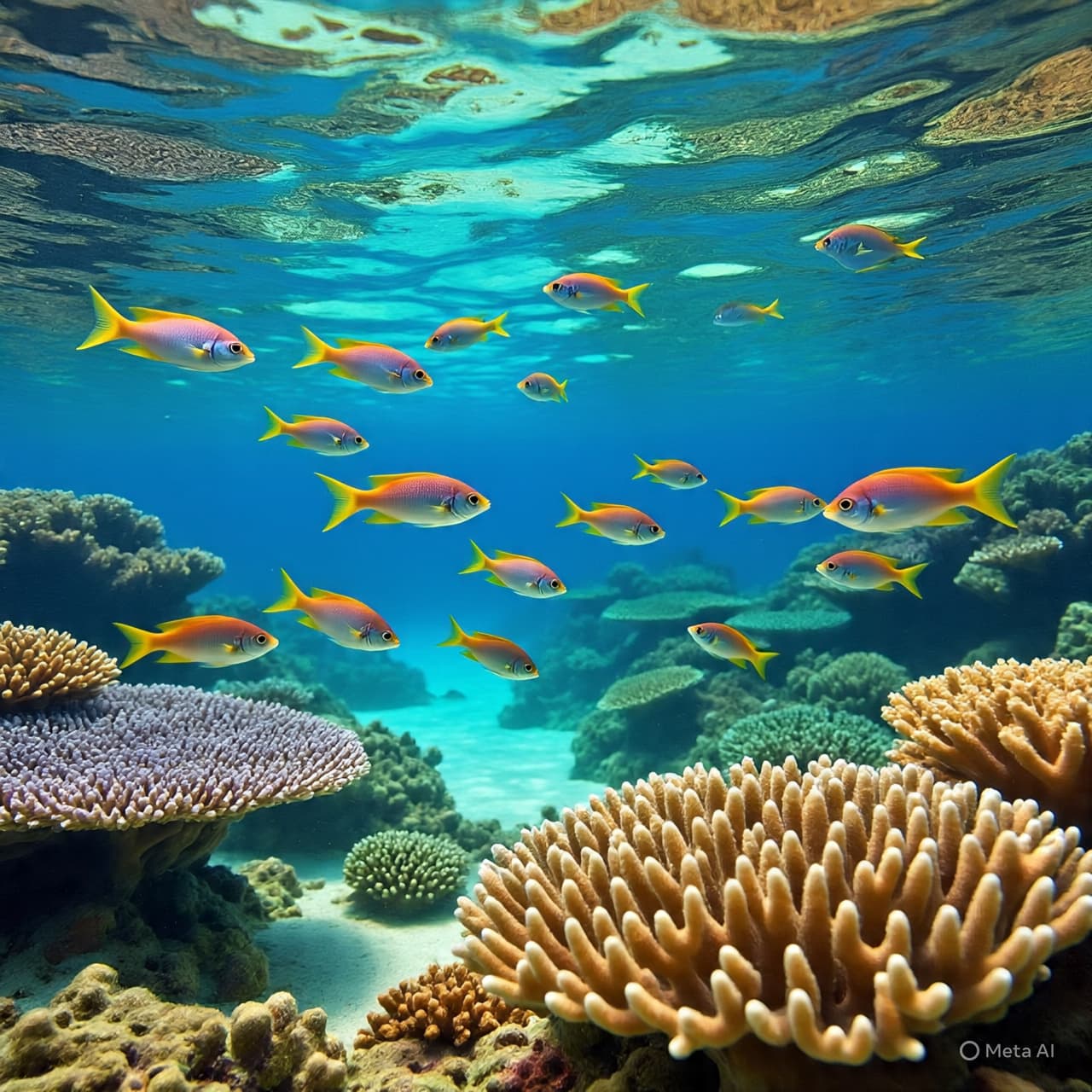
For a time, the colors of the reef seemed to fade, as if the vibrancy of the sea was being eclipsed by the pressures of a warming world. However, recent observations tell a different story—one of a quiet, persistent recovery that is beginning to repaint the seafloor in shades of emerald, rose, and gold. Marine biologists and local conservation groups have reported a significant 12% increase in live coral cover across the Bay Islands National Marine Park over the last 24 months.
This rebirth is not a sudden event but a slow and graceful return, a testament to the resilience of the marine environment when given the space to heal. The recovery is attributed to a combination of strictly enforced no-take zones and community-led coral gardening initiatives. These efforts have fostered a nurturing environment for the reef, allowing it to reclaim its territory inch by hard-won inch.
The conservationists who patrol these waters operate with a sense of quiet devotion, documenting the way the reef is reclaiming its territory. Their work is a form of maritime stewardship that values the long-term health of the ecosystem over immediate gains, finding beauty in the gradual process of restoration. The air above the islands is often filled with the cry of sea birds and the scent of salt, but the real story is unfolding in the silence below.
The reef is more than just a tourist attraction; it is the backbone of the islands’ existence, providing protection from storms and a nursery for the life that sustains local communities. Its recovery is a source of quiet celebration for those whose lives are inextricably linked to the sea. As the sun filters through the water, creating shifting patterns of light on the sandy floor, one can see the new growth taking hold. Every new polyp is a building block for the future, reminding us that nature possesses an inherent capacity for renewal.
There is a sense of peace that comes with watching the reef breathe again. It is a reminder that the world is capable of surprise, and that the damage we fear can sometimes be mended by the steady, unhurried hand of the ocean. The Bay Islands are once again becoming a vibrant sanctuary, a place where the pulse of the Caribbean is felt in every wave and every living branch of coral.
The findings suggest that the local reef systems are showing unexpected resilience to recent coral bleaching events affecting other parts of the Caribbean, highlighting the importance of continued conservation efforts in the region.
Published by Banx Network. This article is part of the Banx decentralized media programme, powered by the BXE token on the XRP Ledger.



