
Key Highlights
- Project Launch:Jamaica's Reef-Restore 2026 initiative begins deploying 3D-printed coral modules.
- Environmental Impact:The project aims to combat coastal erosion and restore marine ecosystems.
- Economic Benefits:Healthy reefs support local fishing industries and eco-tourism.
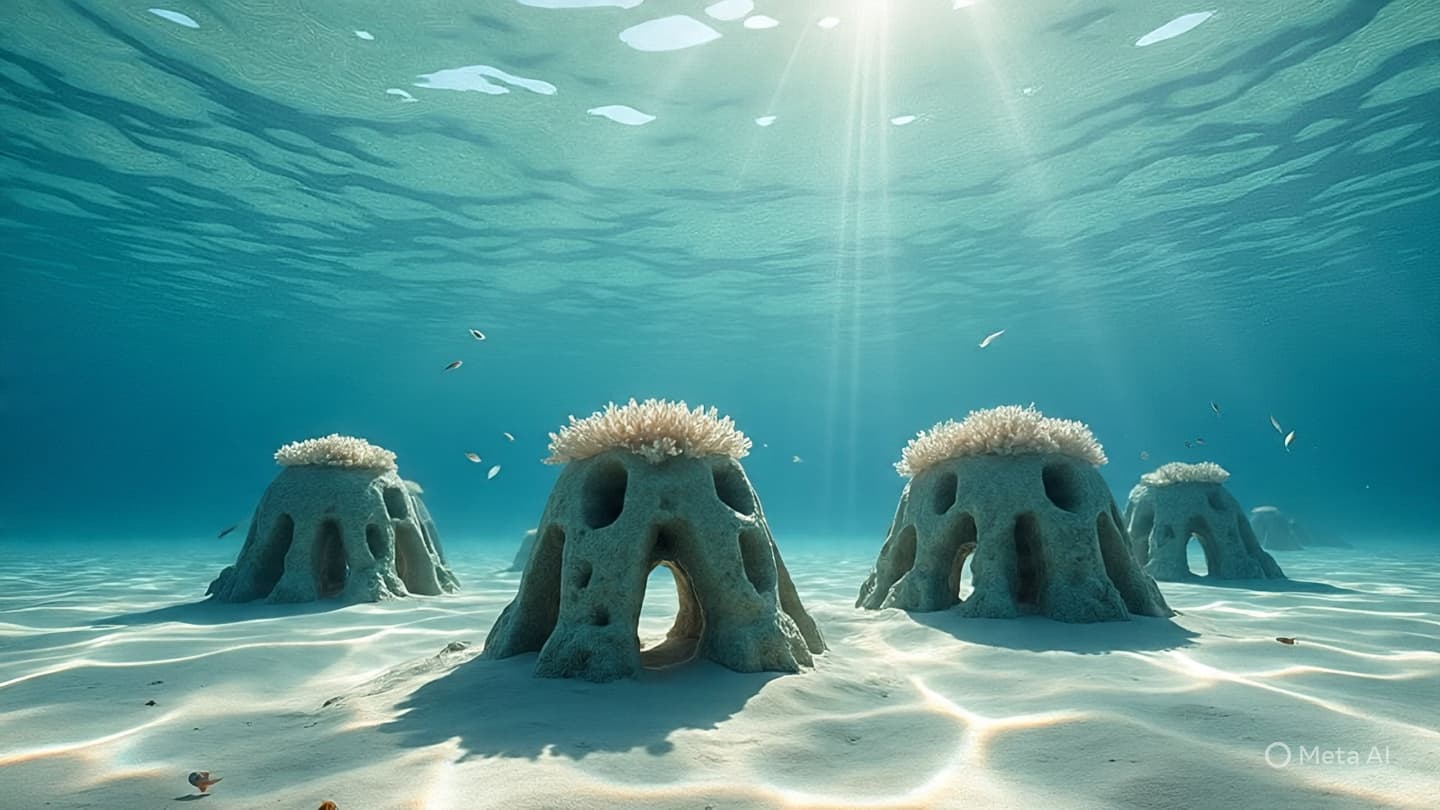
[Project Overview] In the turquoise, sun-drenched waters off the coast of Negril, Jamaica, a groundbreaking ecological initiative is taking shape. This May, the "Reef-Restore 2026" project commenced the deployment of its first fleet of 3D-printed coral modules, marking a significant step in the nation’s efforts to rebuild its vital marine defenses. The project aims to combat coastal erosion and restore the health of the underwater ecosystem, which is crucial for both environmental sustainability and local economies.
[Innovative Technology] The deployment of these 3D-printed coral structures represents a shift towards a more bio-collaborative approach to coastal protection. These pH-neutral, intricately designed modules are engineered to encourage the growth of natural coral polyps, mimicking the complex geometry of healthy reefs. This innovative technology not only serves as a physical barrier against rising sea levels but also fosters a thriving marine habitat, ensuring the island's beauty remains anchored in a living foundation.
[Ecological Significance] The Reef-Restore 2026 project is built on the principle that the strength of a nation lies in its biodiversity. The artificial reefs created through this initiative will provide sanctuary for marine life, supporting both fish populations and recreational divers. By investing in the health of the ocean floor, Jamaica is not just protecting its coastline but also nurturing a nursery for future generations of marine life.
[Community Impact] The implications of this project extend beyond environmental restoration. A healthy reef is vital for the local fishing industry and serves as a primary attraction for eco-conscious travelers. By prioritizing the restoration of marine ecosystems, the Reef-Restore 2026 initiative ensures the economic vitality of the region remains resilient. This circular economy approach connects the health of the marine environment to the community's economic well-being, creating a sustainable future for all stakeholders involved.
[Future Prospects] As the 3D-printed structures begin to attract coral larvae, they will eventually become indistinguishable from natural reefs, encapsulated in calcium carbonate. This fusion of artificial and organic materials exemplifies modern environmental stewardship and highlights the potential for innovative solutions to ecological challenges. The project serves as a reminder that human ingenuity can play a crucial role in assisting nature's healing processes.
[Conclusion] The Reef-Restore 2026 project is not just an engineering feat; it is a testament to resilience and a commitment to preserving Jamaica's natural heritage. As the first schools of fish navigate through the newly deployed structures, the initiative symbolizes a hopeful future where the integrity of the waters and the brilliance of the local community are intertwined. This project stands as a beacon of hope, illustrating that the path to recovery lies in our ability to harmonize technology with nature.
Published by Banx Network. This article is part of the Banx decentralized media programme, powered by the BXE token on the XRP Ledger.



