
Key Highlights
- Project Capacity:The Ras Ghareb wind farm has reached a full capacity of 500MW.
- Environmental Impact:The project will prevent approximately 1 million tons of CO2 emissions annually.
- Economic Benefits:The wind farm supports local jobs and industrial zones.
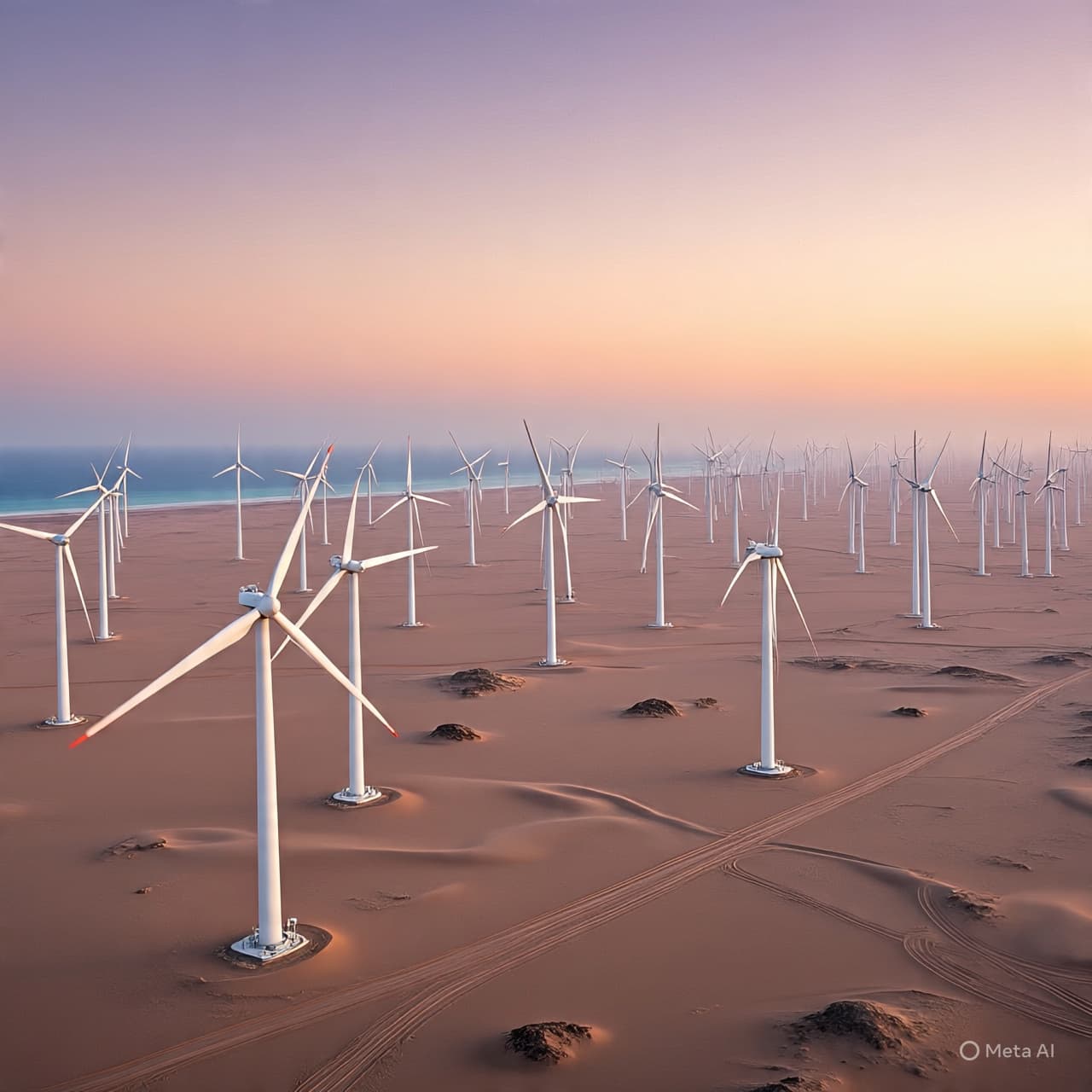
Egypt is making significant strides in renewable energy with the completion of the Ras Ghareb wind farm, which has recently reached its full capacity of 500 megawatts (MW). Located along the rugged coastline where the Eastern Desert meets the Red Sea, this utility-scale wind farm is a testament to Egypt's commitment to diversifying its energy portfolio and enhancing national energy security. The project, developed through a Build-Own-Operate (BOO) model with international partners, is strategically positioned in one of the world's most favorable wind corridors, the Gulf of Suez.
The wind farm's turbines, designed for high-wind desert environments, are not just a technological achievement but also a symbol of environmental stewardship. By harnessing the consistent and powerful winds of the region, Egypt is transitioning away from fossil fuel dependency and moving towards a more sustainable energy mix. This shift is crucial in an era where the carbon intensity of energy production is under increasing scrutiny globally.
Inside the farm's substation, the atmosphere is characterized by advanced digital monitoring systems that ensure the efficient integration of wind energy into the national grid. Unlike traditional power generation methods, the wind farm operates quietly, with the gentle hum of turbine blades cutting through the air. This innovative approach not only maximizes energy output but also minimizes environmental disruption, aligning with Egypt's broader goals of ecological preservation.
The social and economic ramifications of the Ras Ghareb project extend beyond energy production. The wind farm has created specialized maintenance jobs and revitalized coastal towns along the Red Sea, fostering a self-sustaining green ecosystem. Local engineers express a sense of pride in their work, believing they are contributing to a legacy of clean energy that will benefit future generations. The project also supports neighboring industrial zones and desalination plants, providing a low-cost energy source that is vital for regional development.
As Egypt aims to generate 42% of its electricity from renewable sources by 2030, the Ras Ghareb wind farm represents a significant step towards achieving this ambitious goal. The project is expected to prevent the emission of approximately 1 million tons of carbon dioxide annually, underscoring its importance in the fight against climate change. As the sun sets behind the mountains, casting long shadows across the spinning turbines, the vision of a carbon-neutral Egypt becomes increasingly tangible. The steady harvest of wind energy from Ras Ghareb is not just a promise of continuity; it is a commitment to a sustainable future that harnesses the natural resources of the region while preserving its ecological integrity.
In conclusion, the Ras Ghareb wind farm stands as a beacon of progress in Egypt's renewable energy landscape. It embodies the nation's determination to embrace clean energy solutions and build a resilient economy that prioritizes environmental sustainability. As the country continues to invest in renewable technologies, the impact of projects like Ras Ghareb will resonate far beyond its immediate vicinity, shaping the future of energy production in Egypt and beyond.
Published by Banx Network. This article is part of the Banx decentralized media programme, powered by the BXE token on the XRP Ledger.



