
Key Highlights
- Serbia expands its national seed bank to include drought-resistant indigenous wheat varieties in April 2026.
- The initiative aims to protect genetic diversity against climate change and global food shocks.
- Serbia's approach serves as a model for other temperate nations seeking food security through localized biodiversity.
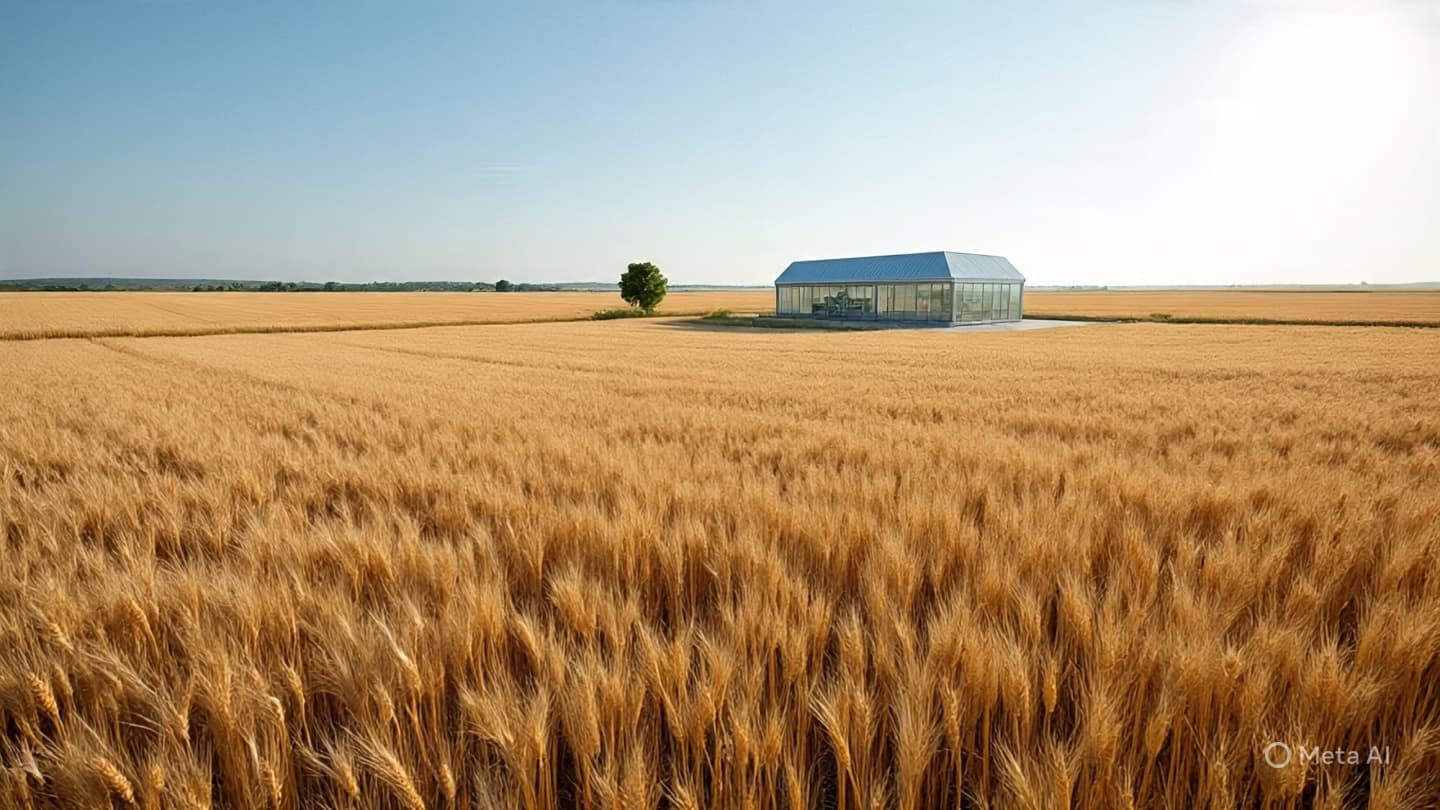
In the sharp and earthy air of the Vojvodina plains this week, where the infinite horizon of the Pannonian basin meets the soft, rhythmic rustle of emerging wheat, a new kind of masonry of the germ is being archived. As Serbia expands its national seed bank to include drought-resistant indigenous wheat varieties in April 2026, the atmosphere among the research plots feels thick with the quiet intensity of a nation realizing that its independence is stored in the DNA of its bread. There is a profound stillness in this preservation—a collective acknowledgment that to feed the future, one must protect the integrity of the origin.
This initiative marks a significant transition towards what can be termed "sovereign botanical autonomy." The effort to safeguard the genetic diversity of the northern breadbasket against the volatility of the changing climate is not merely an agricultural project; it is a profound act of systemic and existential recalibration. By breeding and archiving seeds that thrive in the local soil, the architects of this genetic shield are building a physical and biological barrier against the future of global food shocks and industrial dependence. It is a choreography of logic and heirloom plant science.
The architecture of this 2026 vigil is built upon the foundation of radical presence and the durability of the embryo. It is a movement that values "the resilience of the crop" as much as "the volume of the export," recognizing that in today’s world, the strength of a global hub is found in the autonomy of its harvest. Serbia serves as a laboratory for "Adaptive Agronomy," providing a roadmap for other temperate nations to navigate "food security" through the power of localized biodiversity and scientific self-reliance.
As the world grapples with the challenges posed by climate change, Serbia's initiative could serve as a beacon for agricultural practices that prioritize sustainability and resilience. The commitment to preserving indigenous wheat varieties not only enhances local food security but also contributes to the global effort of maintaining biodiversity in agriculture. This approach underscores the importance of local solutions to global problems, emphasizing that the future of food may very well depend on the seeds of the past.
In conclusion, the 2026 Agrarian Vigil in Serbia represents a crucial step towards ensuring food security in an uncertain future. By focusing on indigenous varieties and sustainable practices, Serbia is not only protecting its agricultural heritage but also paving the way for a more resilient global food system.
Published by Banx Network. This article is part of the Banx decentralized media programme, powered by the BXE token on the XRP Ledger.



