
Key Highlights
- Funding Initiative:Germany announces a €6 billion investment in green hydrogen infrastructure.
- Hydrogen Acceleration Act:This act streamlines project approvals to expedite the transition.
- Capacity Goals:Germany aims for 9,700 kilometers of hydrogen pipelines by 2032.
In April 2026, the German government unveiled a landmark funding initiative amounting to €6 billion (approximately $7 billion) aimed at accelerating the development of green hydrogen infrastructure. This ambitious plan is anchored by the Hydrogen Acceleration Act, which designates projects as having 'overriding public interest' status, allowing them to bypass bureaucratic hurdles that often delay critical energy projects. This strategic move is part of Germany's broader commitment to achieving energy sovereignty and reducing carbon emissions.
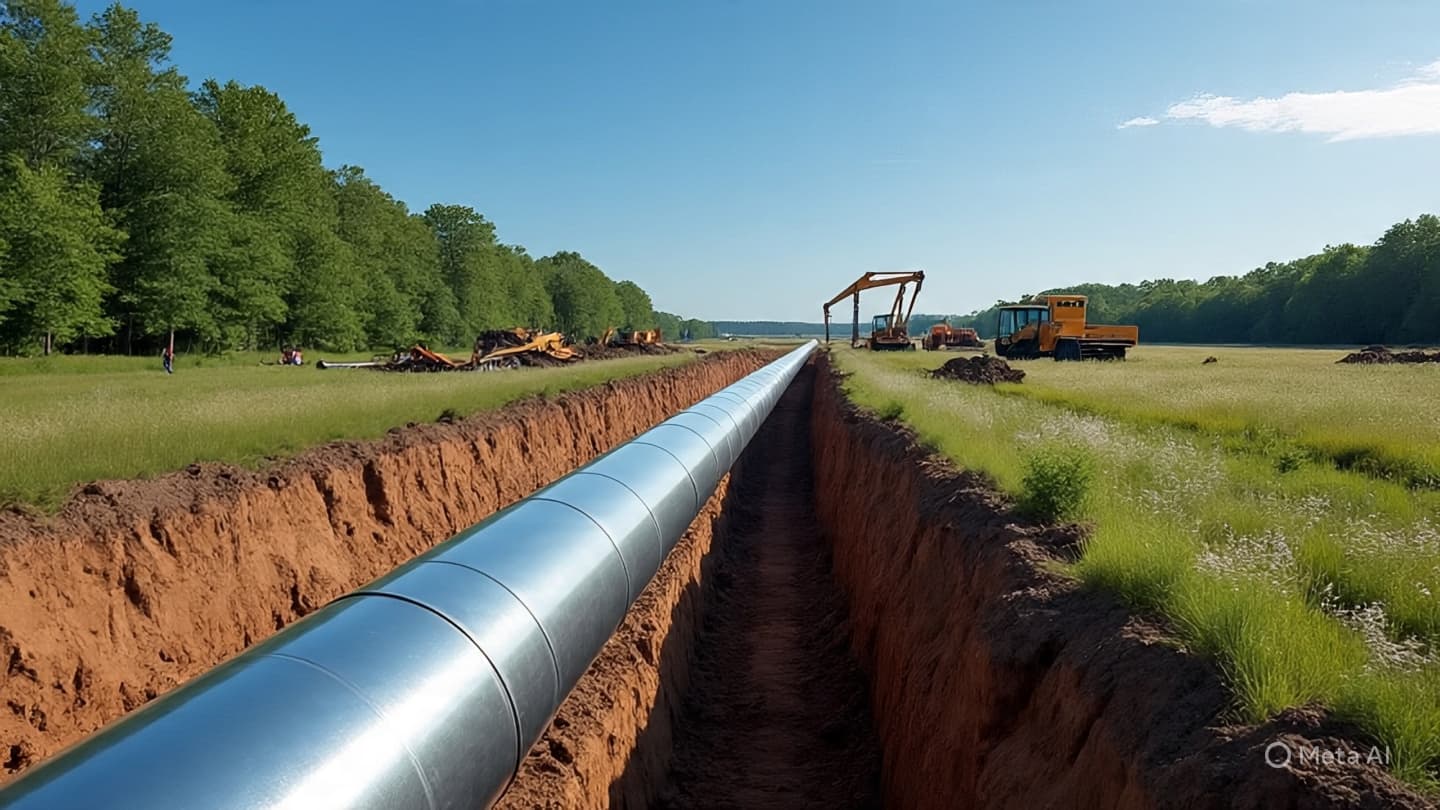
The funding package is not merely a financial injection; it represents a significant recalibration of Germany's industrial landscape. By focusing on the establishment of a supraregional hydrogen core network, the initiative seeks to repurpose existing natural gas pipelines, thereby creating a robust infrastructure that connects industrial hubs with renewable energy sources. This innovative approach is expected to facilitate the transition from fossil fuels to cleaner energy alternatives, positioning Germany as a leader in the global hydrogen economy.
As the nation embarks on this transformative journey, the first signs of progress are already visible. With nearly 1,000 megawatts of electrolyzer capacity currently under construction, Germany is on track to become a primary player in the hydrogen sector. The initiative not only aims to enhance energy production but also to inspire private investment in green technologies, fostering a collaborative environment for innovation.
The urgency of this initiative is underscored by the pressing need to address climate change. The Hydrogen Acceleration Act is designed to streamline the approval process for projects, ensuring that the transition to a hydrogen-ready economy occurs swiftly and efficiently. This legal framework is crucial in a race against time, where the cost of delay could have significant repercussions for both the environment and the economy.
As the second half of 2026 unfolds, the impact of this funding surge is becoming increasingly evident. The demand for specialized engineering and technology is rising, further solidifying Germany's position as a 'hydrogen laboratory' on the world stage. This initiative not only aims to meet domestic energy needs but also sets a precedent for how legacy power systems can adapt to the demands of a sustainable future.
In conclusion, Germany's €6 billion investment in green hydrogen infrastructure marks a pivotal moment in the country's energy transition. By prioritizing innovation and sustainability, Germany is not only addressing its own energy challenges but also contributing to a global movement towards cleaner energy solutions. As the nation forges ahead, the commitment to harnessing the potential of hydrogen serves as a testament to the resilience and ingenuity of its people.
Published by Banx Network. This article is part of the Banx decentralized media programme, powered by the BXE token on the XRP Ledger.



