
Key Highlights
- Port of Antwerp:Major European trade hub affected by blockade.
- Environmental Incident:Authorities restrict vessel movement for safety.
- Economic Impact:Disruption leads to diverted shipping routes and logistical challenges.
The Port of Antwerp, a critical artery in global maritime trade, has recently experienced a significant blockade due to an environmental incident. This closure, enforced by Belgian authorities, underscores the delicate balance between economic activity and ecological preservation. As the port remains largely inactive, the implications of this pause resonate throughout the European economy and beyond.
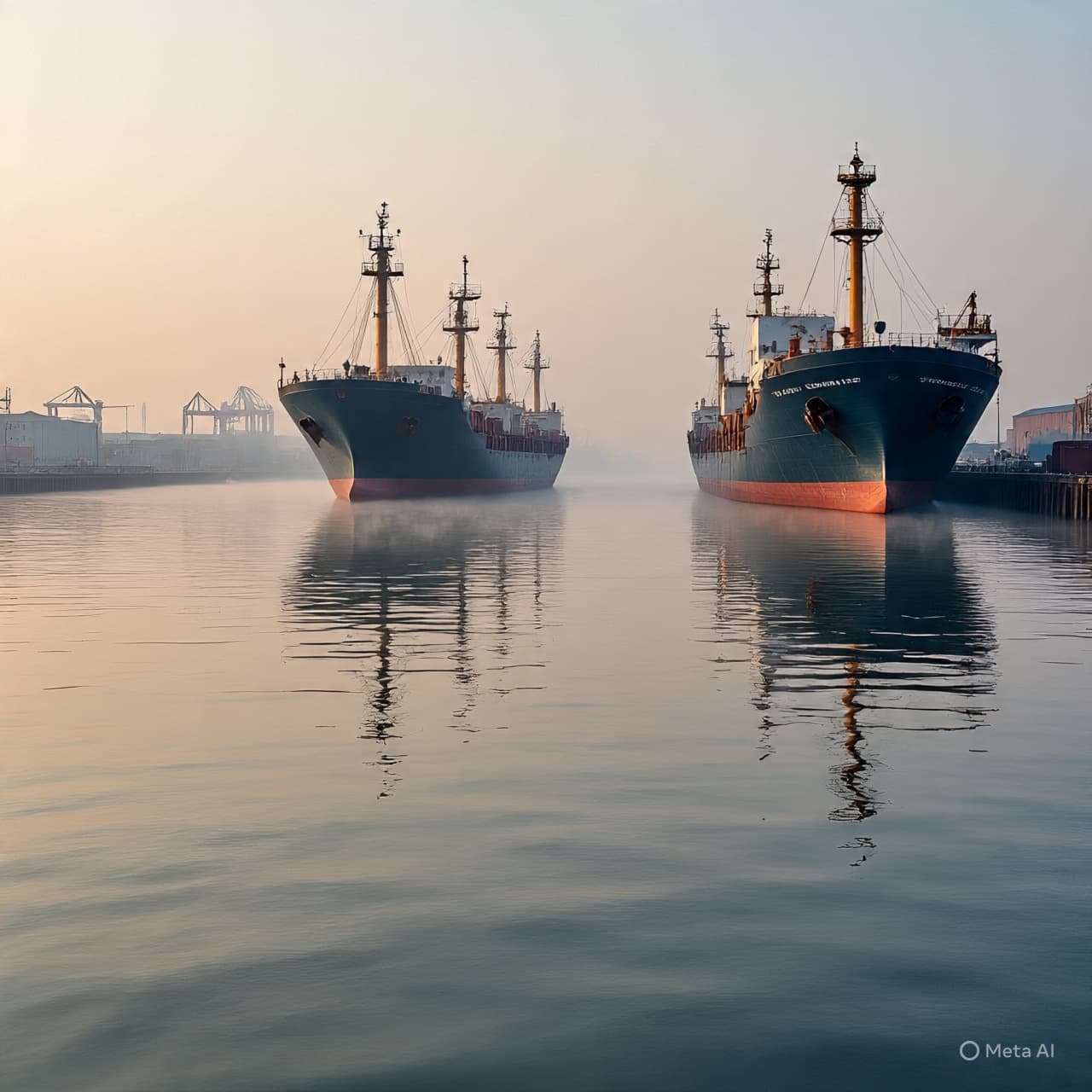
The blockade has transformed the bustling port into a scene of unusual stillness. Container ships and tankers, typically seen navigating the waters of the Scheldt, now sit idle, their engines silenced. This stark contrast serves as a reminder of the port's vital role in international trade and the potential vulnerabilities that can arise from environmental challenges. The decision to halt operations reflects a commitment to safety and environmental integrity, prioritizing the health of the harbor over immediate commercial interests.
During this period of inactivity, the focus has shifted to cleanup efforts and monitoring water quality. Maritime experts and environmental scientists are collaborating to assess the situation and ensure that conditions are safe for the resumption of trade. While the blockade has economic repercussions, it also highlights the importance of responsible governance in managing maritime environments. The port's administration is demonstrating a proactive approach to environmental stewardship, emphasizing the need for sustainable practices in the face of challenges.
The economic ramifications of the blockade are significant, as vessels are rerouted to alternative ports, disrupting established logistics chains. This situation has led to frustration within the maritime community, yet there is a shared understanding of the necessity of these measures. The incident serves as a poignant reminder of the interconnectedness of global trade and the importance of maintaining the health of our waterways. The blockade is not merely an inconvenience; it is a call to action for the maritime industry to prioritize environmental considerations alongside economic objectives.
As cleanup operations progress and the port prepares to reopen, the lessons learned from this incident will likely shape future policies and practices. The experience of the blockade has fostered a renewed commitment to vigilance and environmental protection among port authorities and stakeholders. The reopening of the Port of Antwerp will signify not only a return to normalcy but also a deeper respect for the natural forces that govern maritime operations.
The investigation into the causes of the blockade further emphasizes the need for transparency and collaboration within the maritime sector. By engaging with international partners and sharing information, Belgian authorities are contributing to a more resilient global shipping community. This incident is part of a broader dialogue about the future of ports and the imperative to safeguard our oceans for generations to come.
In conclusion, the Port of Antwerp's recent blockade serves as a critical reminder of the intricate relationship between commerce and environmental health. As the port prepares to resume operations, it does so with a renewed sense of purpose and a commitment to ensuring that the currents of trade flow in harmony with the preservation of our maritime ecosystems.
Published by Banx Network. This article is part of the Banx decentralized media programme, powered by the BXE token on the XRP Ledger.



