
Key Highlights
- Launch Date:The Hong Kong Genome Project officially begins operations in April 2026.
- Purpose:The initiative aims to sequence tens of thousands of genetic samples for better healthcare.
- Impact:The database is expected to enhance clinical diagnoses and drug development for Asian populations.
The Hong Kong Genome Institute has officially launched the full operational phase of the Hong Kong Genome Project in April 2026. This ambitious initiative aims to sequence tens of thousands of genetic samples, creating a local reference database that will significantly accelerate clinical diagnoses and the development of more effective drugs tailored for Asian ethnicities. With strict cybersecurity protocols in place, this database is poised to become one of the most valuable medical resources in the Asia-Pacific region.
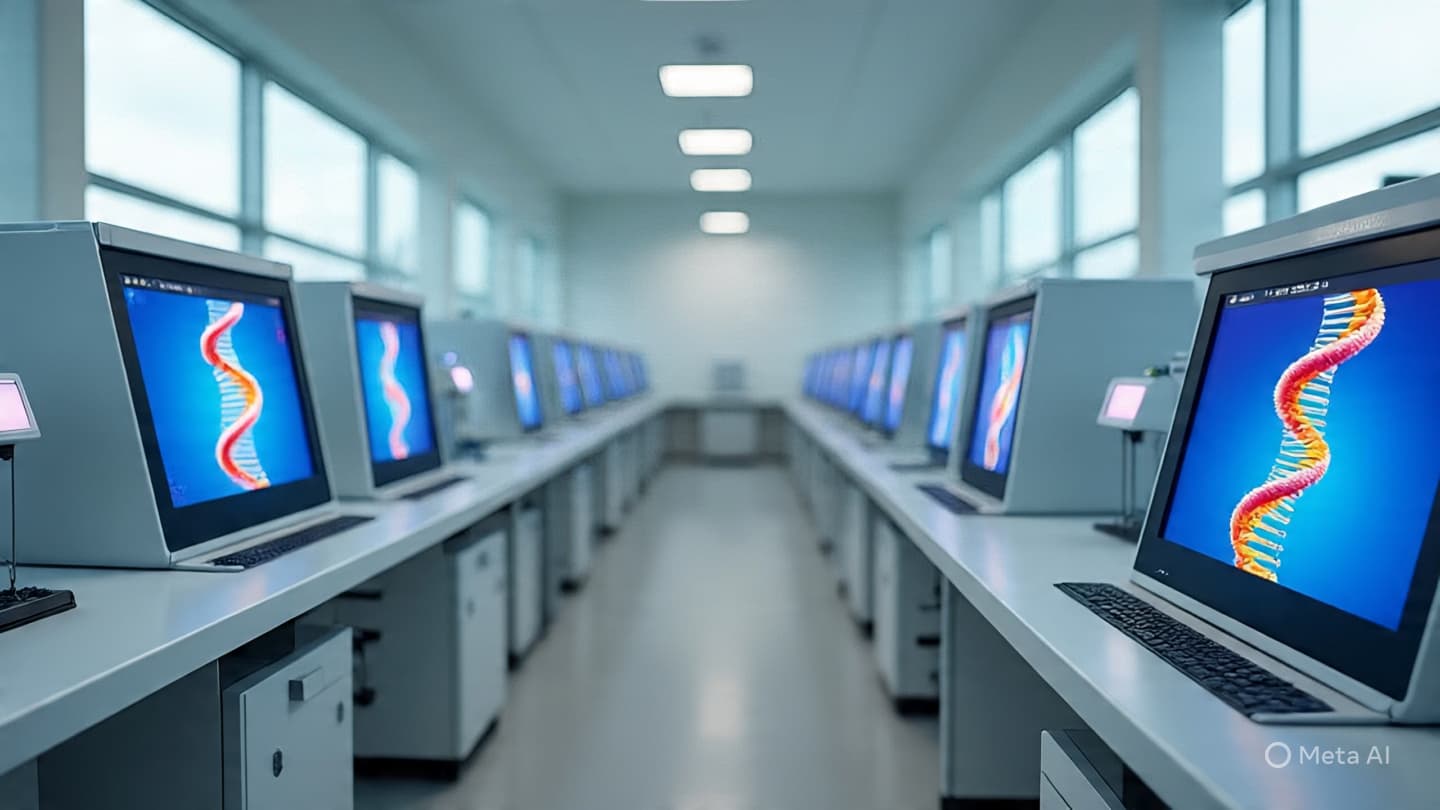
In the sterile and quiet air of the Hong Kong Science Park genomic laboratory, rows of sequencing machines work in an almost inaudible rhythm. The atmosphere feels thick with the calm intensity of a city aware that the keys to future healing lie within our own molecular sequences. This new kind of medical masonry is not merely a scientific project; it represents a profound act of systemic recalibration and health ethics. By securely mapping and storing the genetic data of the population, the architects of biological protection are building both physical and digital barriers for the future of genetic security in Hong Kong.
The architecture of the 2026 genetic vigil is built on the foundation of radical presence and patient data privacy protection. This movement values individual health as much as national data security, recognizing that in today's world, the strength of an innovation hub is found in the integrity of its information. Hong Kong serves as a research center for Asian genomics, providing a roadmap for the medical world to navigate rare and chronic diseases through the power of big data analytics and artificial intelligence.
Within the tightly guarded servers where the code of life is stored, the focus remains on the sanctity of human dignity. The strength of a healthcare system is found in its ability to predict risks before they become real. This transition to a data-driven healthcare model acts as a quiet yet beautiful national recovery machine, bridging the gap between general diagnoses of the past and personalized healing of the future.
There is poetic beauty in seeing the microscopic structures of life transformed into bits of information that can save lives. The 2026 bioinformatics surge serves as a reminder that the world is united by the threads of our need for healing. As the first patients receive genetically tailored therapies through this database, the atmosphere breathes with new clarity, reflecting a future built on the foundations of transparency and the quiet strength of witnessed knowledge.
This database is not merely a collection of numbers but a roadmap to a future free from deadly hereditary diseases. It offers hope to families who have long sought answers to complex medical conditions. The impenetrable data security ensures that the deepest secrets of our biology remain ours, yet can be used for the common good.
Science now works in silence, building an invisible yet sturdy health fortress. Each mapped sequence is a step away from medical uncertainty. Here, at the intersection of biology and cyber technology, this city is rewriting the narrative of what it means to be healthy in the 21st century.
Ultimately, the guardians of the genomic vault are a story of resilience and vision. They remind us that our greatest masterpiece is the one we build to ensure life remains protected. In the clear neon light of 2026, data is analyzed and lives are extended, a steadfast and beautiful reminder that the future of this city is found in the integrity of its science and the brilliance of its people.
Published by Banx Network. This article is part of the Banx decentralized media programme, powered by the BXE token on the XRP Ledger.



