
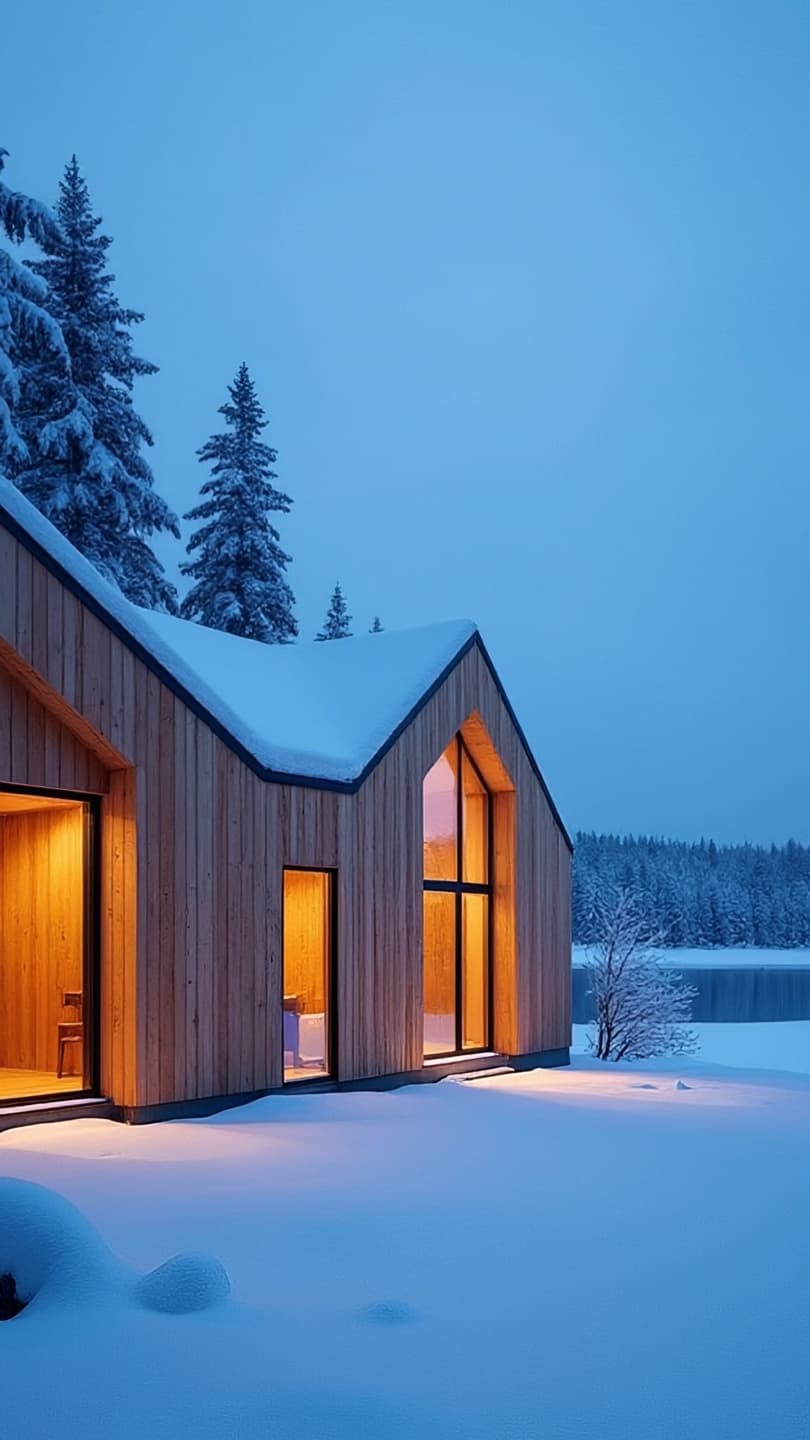
Key Highlights
- Passive House Movement:A growing trend in Finland focusing on energy efficiency.
- New Building Codes:Finnish regulations incentivizing near-zero-energy buildings by 2035.
- Increased Adoption:A reported 25% rise in passive house standards among homeowners.
The long, dark winters of Finland transform homes into sanctuaries, vital barriers against the cold. Traditionally, Finnish architecture relied on thick logs and wood-burning stoves, but a new wave of design is emerging—one that prioritizes energy efficiency and sustainability. The Passive House movement is gaining traction, showcasing how physics can create self-sustaining living spaces that maintain warmth without excessive energy consumption.
This architectural philosophy emphasizes the integrity of the building envelope, which includes walls, windows, and foundations. By ensuring that no warm air escapes, these homes are at the forefront of a revolution in energy security and climate impact. As Finland grapples with these pressing issues, passive houses stand as silent leaders, demonstrating a commitment to sustainable living.
Passive houses utilize advanced technologies such as triple or quadruple-pane windows that trap heat and thick layers of sustainable insulation that envelop the structure. These homes are equipped with ventilation systems that recycle heat, ensuring that the air remains fresh while minimizing energy loss. This innovative approach mirrors the resilience of the arctic fox, adapting to the harsh environment while maintaining comfort.
The construction of these timber-framed homes signifies a shift in the relationship between humans and their habitats. Rather than being energy consumers, these houses act as thermal batteries, capable of sustaining comfortable temperatures even in extreme cold. This foresight represents an investment in a future where family comfort is independent of fluctuating fuel prices.
Across Finland, from the suburbs of Espoo to the lakeside retreats of Saimaa, sustainable communities are emerging. These homes embody a return to simplicity and durability, reimagined for the challenges of the 21st century. The wood used in their construction not only provides warmth but also contributes to carbon sequestration, making the act of building a positive step for the environment.
The tranquility of a passive home is striking. With no furnace hum or drafty windows, these spaces become havens of quietude. The architecture embraces winter rather than resisting it, creating a microclimate of perpetual spring amidst the northern darkness. As snow blankets the roofs and winds howl outside, life within these homes remains undisturbed, showcasing a triumph of engineering and empathy.
In response to the growing need for energy-efficient housing, the Finnish Ministry of the Environment has introduced new building codes that promote the construction of near-zero-energy buildings (nZEB) in all new residential developments. These regulations emphasize high-performance thermal insulation and heat-recovery ventilation systems, aiming to meet national climate goals by 2035. Recent industry reports indicate a 25% increase in the adoption of passive house standards among private homeowners in the past year, reflecting a significant shift towards sustainable living in Finland.
Published by Banx Network. This article is part of the Banx decentralized media programme, powered by the BXE token on the XRP Ledger.



