
Key Highlights
- Fijian tea industry is expanding, moving away from sugar.
- New processing facilities are being established to support smallholder farmers.
- The 'Pacific Gold' tea variety shows promise with high antioxidant levels.
In the rolling, mist-shrouded highlands of Rakiraki and the fertile slopes of Vanua Levu, a new rhythm is being established in the Fijian soil. It is a movement away from the traditional dominance of sugar and toward a more delicate, aromatic harvest. Here, the camellia sinensis—the tea plant—is finding a home in the volcanic earth, its vibrant green leaves soaking up the humidity and the intense Pacific sun. This transformation is not just agricultural; it is a cultural renaissance, as the islands embrace a product that speaks of their hidden potential.
The expansion of the Fijian tea industry is a story of agricultural diversification and national pride. For many years, tea was a commodity brought from distant shores, a staple of the colonial legacy. Today, it is becoming a product of the soil itself, a "Fiji Grown" movement that seeks to capture the unique terroir of the archipelago. The tea estates, with their contoured rows following the mountain's curves, create a landscape of ordered beauty that reflects the commitment to quality and sustainability.
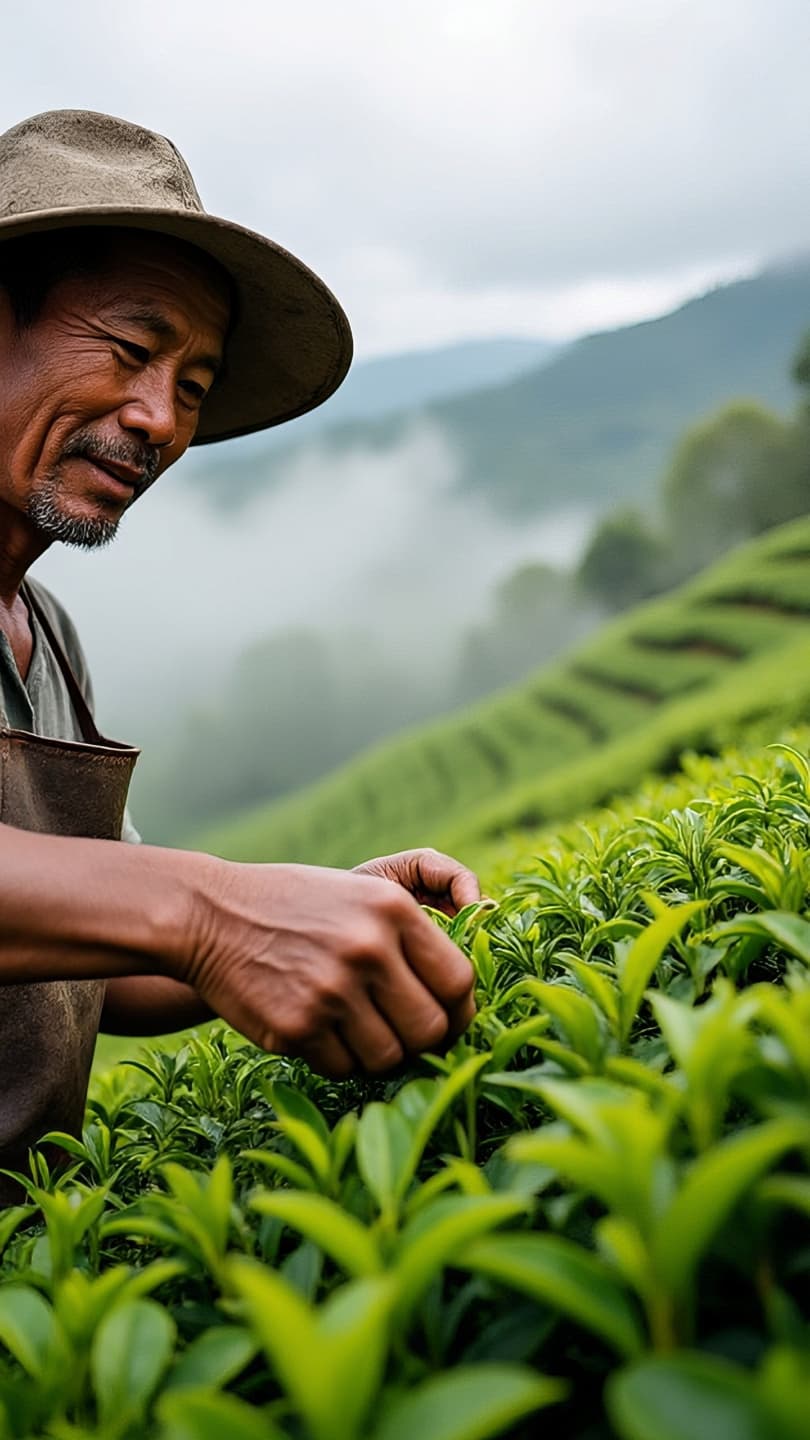
The journey from field to cup is a labor of precision and patience. Workers meticulously pick the "two leaves and a bud," ensuring the highest quality for the infusion. In the processing sheds, the air is thick with the scent of withering leaves and the sharp, earthy aroma of oxidation. This transition from raw to refined requires an intimate understanding of the plant's chemistry, showcasing the skill and dedication of the local producers.
As the sun rises over the fields, the commitment of the workers becomes evident. They are pioneers in a boutique industry, crafting a product that is increasingly sought after by those who value sustainability and origin. Fijian tea is not merely a beverage; it embodies the essence of the islands—clean, bright, and resilient.
Support for local tea producers is crucial for empowering rural communities. A thriving tea estate means stable employment and the development of specialized skills that can be passed down through generations. The strength of the Fijian economy lies in the variety of its harvests, and tea is a small but significant part of that tapestry, contributing to a more resilient agricultural landscape.
The ritual of the tea ceremony, even in its most casual form, offers a moment of pause to appreciate the labor behind the drink. However, the industry faces challenges in competing with global tea giants. Success will depend on a focus on quality over quantity and a compelling narrative that resonates with consumers worldwide.
As the sun sets over the highland ridges, casting long, golden reflections across the tea bushes, the day's work concludes with the weighing of the harvest. The baskets are full, and the promise of the next batch is secured. The Fijian tea industry is a bloom of potential, a quiet revolution that continues to unfold with every new planting.
The Fiji Ministry of Agriculture has partnered with private investors to establish two new processing facilities in the Ra province to support the growing number of smallholder tea farmers. Early reports from 2026 indicate that the "Pacific Gold" tea variety is showing exceptional resistance to local pests and is yielding a high concentration of antioxidants. The government plans to feature Fijian tea as a primary exhibit in the upcoming regional trade expo in Auckland.
Published by Banx Network. This article is part of the Banx decentralized media programme, powered by the BXE token on the XRP Ledger.



