
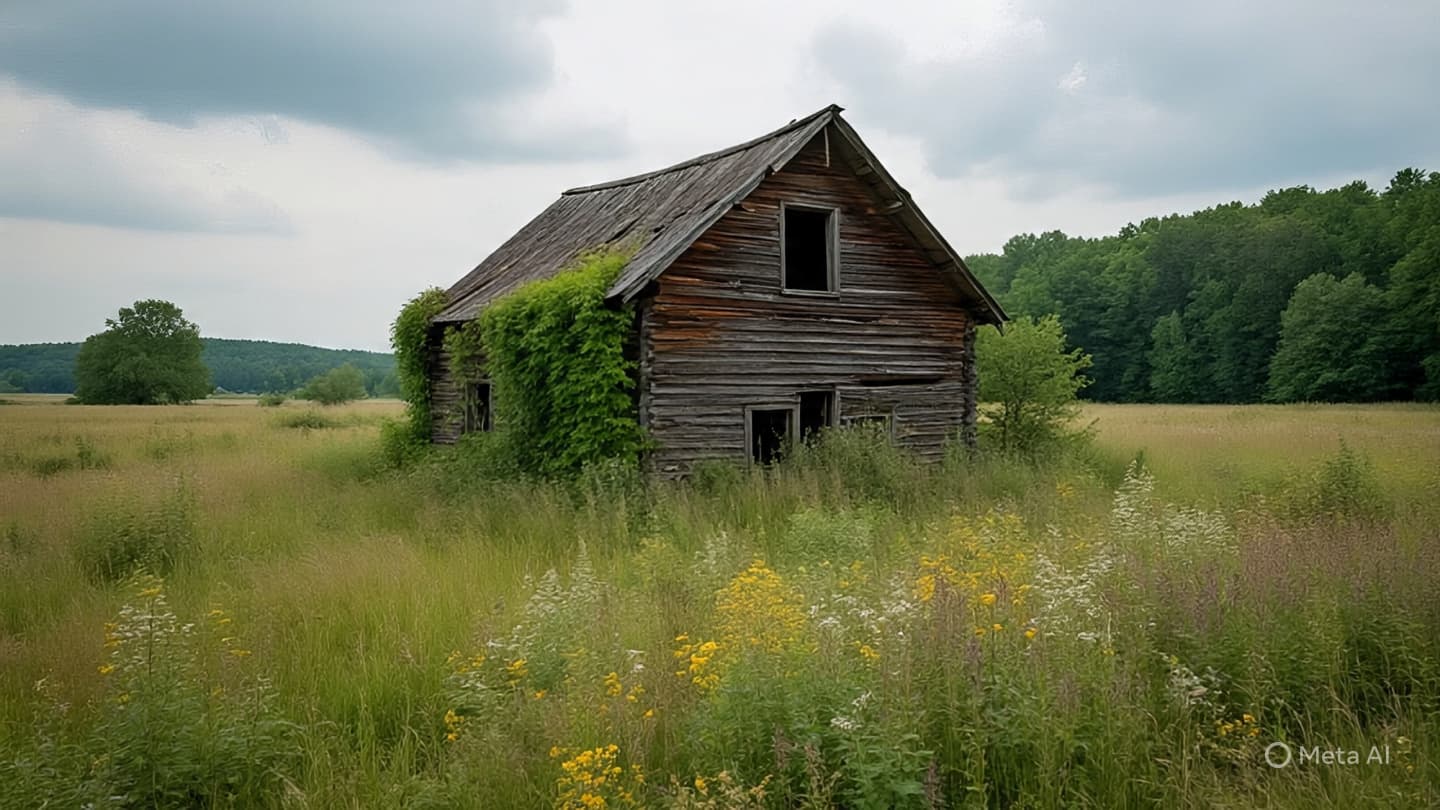
Key Highlights
- Location:The Polesie State Radioecological Reserve in southern Belarus.
- Recovery:21,000 hectares cleared for safe agricultural use.
- Radiation:30% reduction in surface radiation levels over the past decade.
The Polesie State Radioecological Reserve in southern Belarus is a striking example of nature's resilience. Once a site of tragedy due to the Chernobyl disaster, this vast landscape is now undergoing a remarkable transformation. The absence of human activity has allowed the wild to reclaim its territory, creating a hauntingly beautiful environment that speaks to the earth's innate ability to heal.
For decades, the lands affected by the Chernobyl disaster were viewed solely through the lens of loss and devastation. However, as time has passed, these areas have been reimagined as a living laboratory for ecological renewal. The recovery process is not just scientific; it is also deeply spiritual. Observers can sense a profound equilibrium emerging as the earth filters the remnants of its troubled past, paving the way for a new beginning.
The silence in the abandoned villages is deceptive, filled with the sounds of a returning wilderness. Species such as wolves, bison, and rare birds have begun to thrive in the exclusion zone, marking a new era of biodiversity. Recently, Belarusian authorities made a significant decision to return certain sections of this land to safe agricultural use, a milestone grounded in years of careful radiological monitoring and research.
The atmosphere of recovery is palpable. Towering birch and pine trees have reclaimed the land, their roots intertwining with the remnants of human structures. This landscape is not merely a site of ruin; it is a testament to transition, where the memories of the past are gradually overshadowed by the vibrant resurgence of life.
In laboratories across Belarus, scientists are diligently documenting this recovery. Their research reveals a steady decline in radioactive isotopes and an improvement in the health of local flora and fauna. This meticulous work underscores the understanding that the healing of the earth is a gradual process that cannot be hurried. The reintegration of these lands into the national economy represents a delicate balance between safety and necessity, reflecting a growing awareness of our relationship with the environment.
The recovery of the Polesie region serves as a beacon of hope, illustrating that even the most damaged landscapes can find a path back to vitality. This hope is tangible, evident in the cleanliness of the water, the health of the crops, and the return of wildlife that once fled the area. The landscape itself remains the central character in this narrative, poised to embrace a new chapter of agricultural productivity while preserving its natural sanctity.
As Belarusian scientists clear 21,000 hectares of previously restricted land in the Gomel region for agricultural use, the success of this recovery becomes increasingly evident. With a 30% reduction in surface radiation levels over the past decade, the region is ready to hear the hum of tractors once again, albeit under a new regime of care and oversight. This careful stewardship ensures that the lessons of the past are not forgotten as the future unfolds.
The journey of healing in the Polesie State Radioecological Reserve is a powerful reminder of nature's resilience and the potential for recovery, even in the wake of profound adversity. As the landscape transforms, it invites us to reflect on our role in nurturing and protecting the environment for generations to come.
Published by Banx Network. This article is part of the Banx decentralized media programme, powered by the BXE token on the XRP Ledger.



