
Key Highlights
- Launch Date:Lagos will deploy its first fleet of electric buses in April 2026.
- Environmental Impact:The initiative aims to reduce urban air pollution significantly.
- Local Assembly:The buses are domestically assembled, promoting local industry.
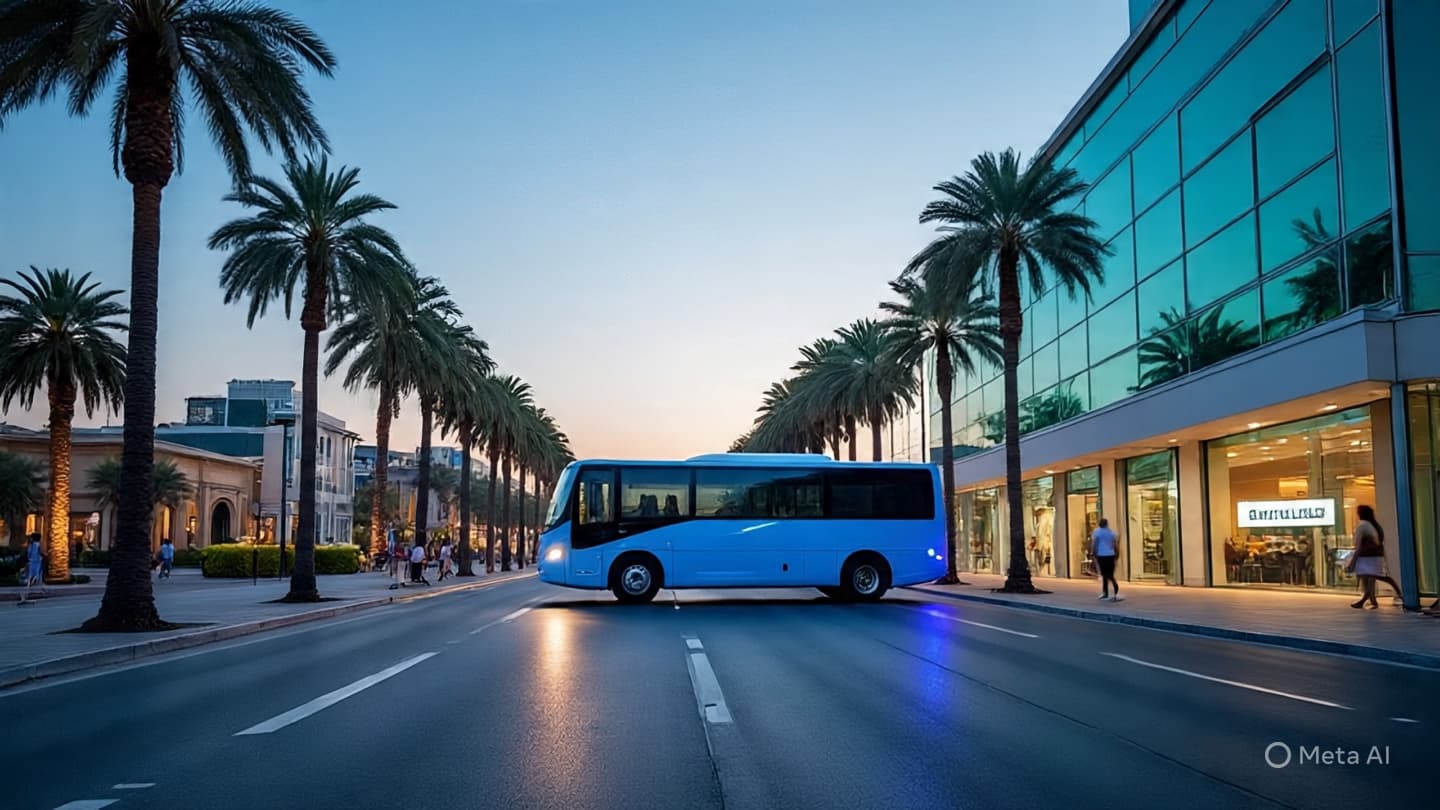
In the bustling transit corridors of Lagos, a transformative shift is underway as the city prepares to launch its first large-scale fleet of domestically assembled electric buses in April 2026. This initiative marks a pivotal moment in Nigeria's approach to urban mobility, as the traditional roar of diesel engines gives way to a quieter, more sustainable alternative. The atmosphere at the charging hubs is charged with anticipation, as residents begin to realize that a cleaner commute is not only possible but also essential for their health and environment.
The introduction of these electric buses is more than just a logistical change; it represents a significant step towards what has been termed 'sovereign urban mobility.' This concept emphasizes the importance of transitioning public transport to renewable energy sources, thereby recalibrating the relationship between urban infrastructure and environmental sustainability. By integrating a fleet of silent, emission-free vehicles into the heart of Lagos, city planners are not only addressing immediate transportation needs but also laying the groundwork for a healthier urban future.
The architecture of this initiative is built on the principles of efficiency and environmental consciousness. The electric buses are designed to navigate the city's streets with grace, embodying a movement that values both the quietness of the street and the speed of transit. This dual focus is crucial in a rapidly urbanizing world, where the strength of a city is increasingly measured by its ability to adapt to sustainable practices.
Lagos serves as a model for 'Tropical E-Mobility,' showcasing how rapidly growing megacities can tackle transport pollution through local assembly and green infrastructure. The initiative not only aims to reduce emissions but also seeks to inspire other cities facing similar challenges. By prioritizing clean air and sustainable transport, Lagos is positioning itself as a leader in the global movement towards environmentally friendly urban solutions.
As the city gears up for this significant transition, the implications of the electric bus fleet extend beyond mere transportation. They represent a collective acknowledgment of the need for cleaner air and a healthier environment. The quiet hum of electric vehicles symbolizes a new era for Lagos, one where the dignity of the passenger is intertwined with the cleanliness of the air they breathe. This initiative is a testament to the potential of urban innovation to create a more sustainable and livable city for all.
Published by Banx Network. This article is part of the Banx decentralized media programme, powered by the BXE token on the XRP Ledger.



