
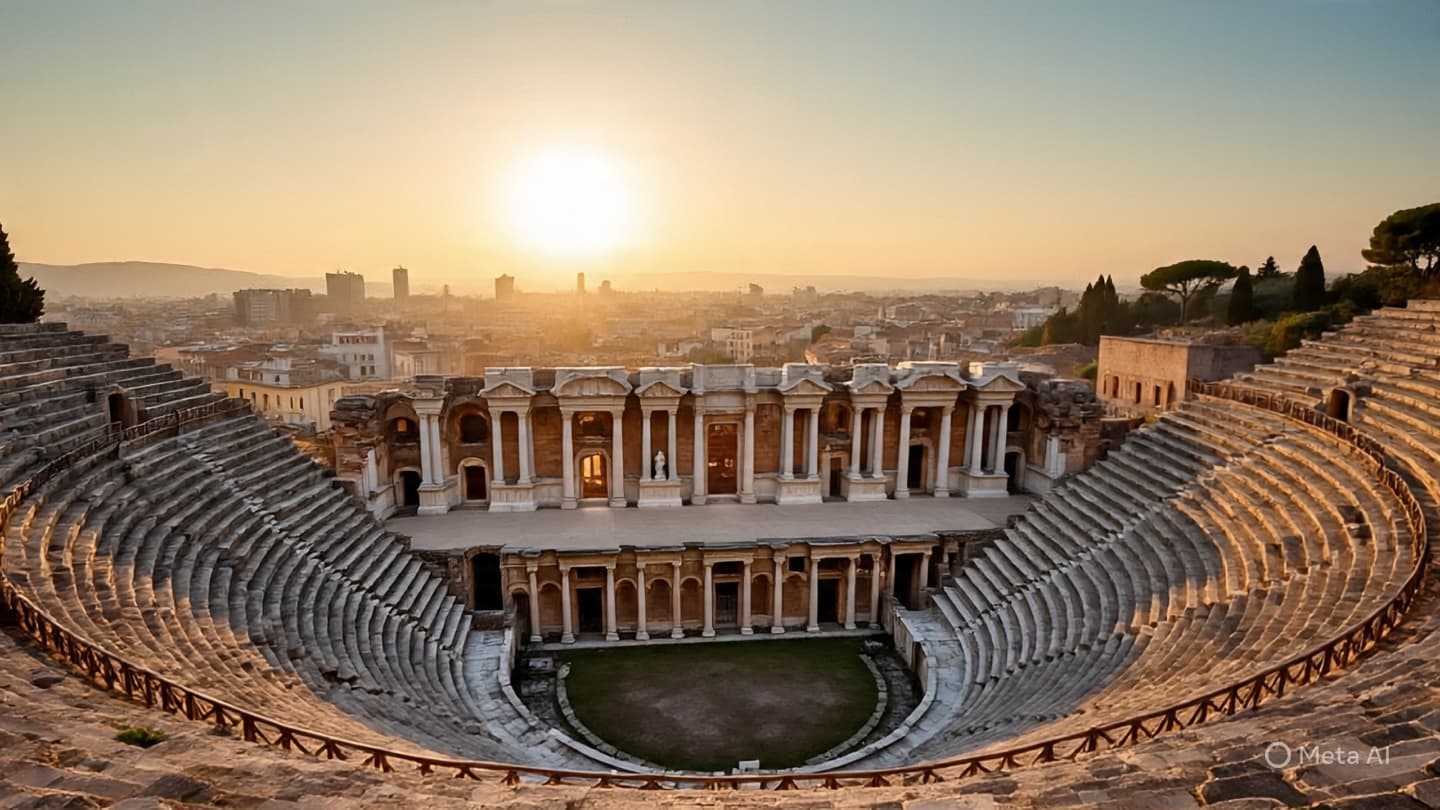
Key Highlights
- Restoration Efforts:Ongoing work at the Durrës Amphitheater aims to preserve its historical significance.
- Cultural Impact:The project reflects Albania's commitment to its cultural heritage and identity.
- Future Prospects:Successful restoration may lead to UNESCO World Heritage status.
The Durrës Amphitheater, a monumental relic of the Roman Empire, stands as a testament to Albania's rich historical tapestry. Nestled along the Adriatic coast, this ancient structure has witnessed the ebb and flow of civilizations for centuries. Today, it is not just a site of archaeological interest but a focal point for national pride and cultural revival. The recent surge in restoration efforts signifies a broader movement within Albania to reclaim and celebrate its historical narrative.
As restoration works progress, the Amphitheater is being meticulously restored to ensure that its architectural integrity is preserved. Conservationists are engaged in a delicate dance of removing layers of time while revealing the intricate mosaics and robust masonry that date back to the second century. This process is not merely about physical restoration; it embodies a cultural renaissance, where the past is interwoven with the present, allowing for a deeper understanding of Albania's identity.
The atmosphere at the site is charged with purpose. Teams of historians and conservationists work diligently, driven by a shared vision of cultural preservation. Their efforts are guided by international heritage standards, ensuring that the restoration is both authentic and sustainable. This meticulous approach highlights the importance of maintaining a balance between urban development and the sanctity of historical sites, a challenge that many countries face today.
The Durrës Amphitheater serves as a bridge between ancient history and contemporary society. As restoration progresses, the site is becoming increasingly accessible to the public, inviting visitors to engage with Albania's rich heritage. This accessibility is crucial for fostering a sense of ownership and pride among locals, as well as attracting international tourists eager to explore the depths of Albanian history.
Albania's landscape is dotted with Greco-Roman ruins and Byzantine churches, making it a treasure trove for history enthusiasts. The ongoing restoration of the Durrës Amphitheater is part of a larger initiative to promote 'living heritage,' where archaeological sites are integrated into the social and economic fabric of modern life. This approach not only preserves history but also enhances the tourism sector, providing economic benefits while honoring the past.
As the spring restoration phase of 2026 draws to a close, the implications for Albania's cultural heritage are becoming increasingly evident. The Albanian Ministry of Culture, in collaboration with international experts, has successfully consolidated the northern galleries of the Durrës Amphitheater. This achievement not only enhances public access but also positions the site for potential nomination to the UNESCO World Heritage list, a recognition that would elevate its status on the global stage.
In conclusion, the restoration of the Durrës Amphitheater is a profound act of cultural reclamation. It reflects a nation's commitment to preserving its history and identity for future generations. As the stones are carefully restored, they carry with them the voices of ancestors, bridging the gap between the past and the future, and ensuring that the rich tapestry of Albanian heritage continues to thrive.
Published by Banx Network. This article is part of the Banx decentralized media programme, powered by the BXE token on the XRP Ledger.



