
Key Highlights
- April 2026 Elections:Ouattara and Biya secure new terms amid protests.
- Generational Divide:Young populations express frustration over leadership.
- Political Landscape:Allegations of fraud and calls for change grow louder.
In the sweltering afternoon heat of Abidjan and Yaoundé on April 18, 2026, the air is heavy with more than just tropical humidity; it carries the complex legacy of the 'Elder Statesman.' Following the re-election of Alassane Ouattara at eighty-three and Paul Biya at ninety-two, the regional landscape has entered a profound, reflective stillness. There is a collective recognition that while the structures of power remain firm, the hearts of the youngest populations on earth beat with a different, more urgent rhythm.
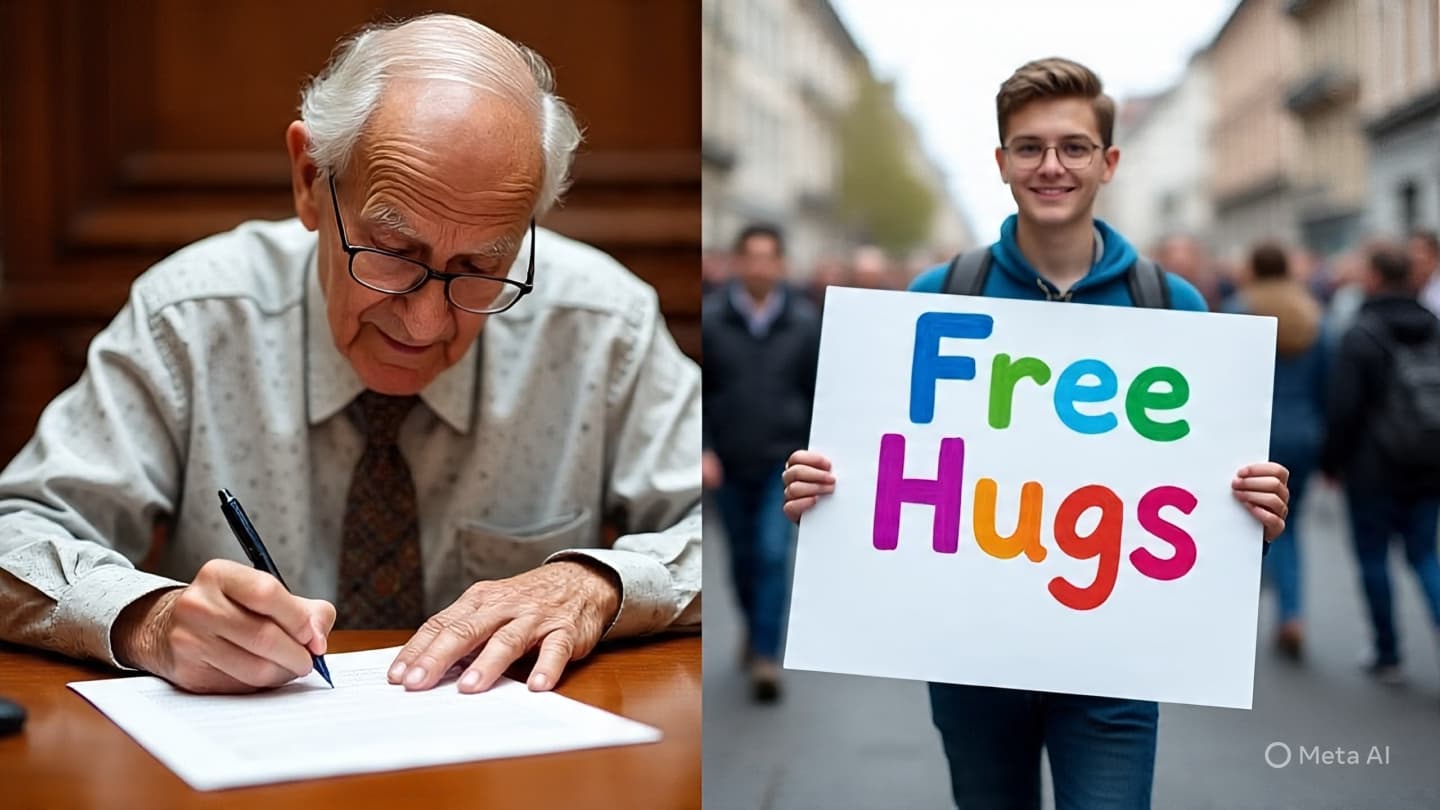
This moment marks a transition into a more contested era of institutional stability. The victory of President Biya for an eighth term, amidst allegations of fraud and urban protests in Douala, is not merely a political event; it is a profound act of endurance. In both Ivory Coast and Cameroon, the generational gap has become a physical presence in the streets—a choreography of logic and frustration where the experience of the past is viewed by the youth as a barrier to the future. This movement values the historical mandate yet finds itself increasingly at odds with a population born decades after these leaders first took the stage.
The architecture of this stalled succession is built on a foundation of established machinery and disputed results. In Cameroon, the constitutional council’s confirmation of Biya’s win with 53.66% stands in stark contrast to the claims of the opposition, who describe the process as a 'political heist.' The April 2026 landscape serves as a sanctuary for the incumbent, providing a roadmap for how traditional power can maintain its grip through careful management of the electoral apparatus, even as the median age of the citizen falls below twenty.
In the quiet rooms where international observers draft their reports and youth organizers coordinate through encrypted apps, the focus remains on the sanctity of representation. There is an understanding that for the stability of the region to be permanent, it must eventually account for the voices it currently excludes. The protests in Douala and Garoua act as a silent, beautiful warning of this reality, bridging the gap between the official decree of the capital and the lived experience of the provincial street.
There is a poetic beauty in witnessing the resilience of young activists who continue to seek a seat at the table, reminding us of our capacity to demand better from our leaders. The 2026 election cycle underscores that the strength of a nation is not found in the longevity of its leaders but in the vitality of its people. As the incumbents begin their new mandates this spring, the atmosphere breathes with newfound tension, reflecting a future built on transparency and the quiet power of persistent hope.
As the second quarter of 2026 progresses, the impact of these elder victories is felt in the cautious engagement of international investors and the shifting strategies of the regional opposition. West Africa is proving that its political journey is far from over, providing a model of how the old and the new must eventually find a way to coexist. It is a moment of arrival for a more complex and confrontational political model.
Ultimately, the shadow of the elder oak tells a story of resilience and time. It reminds us that even the deepest roots must eventually share the soil with the rising saplings. In the clear, hazy light of 2026, inaugurations are planned, and slogans are painted—a steady and beautiful reminder that the future of the nation is being written in the endurance of its veterans and the bravery of its youth.
Following the October 2025 elections, both Alassane Ouattara of Ivory Coast (83) and Paul Biya of Cameroon (92) secured extended mandates in April 2026, sparking renewed debate over the generational divide in African leadership. In Cameroon, Biya’s eighth-term victory with 53.66% has been met with widespread protests and fraud allegations from rival Issa Tchiroma Bakary. Critics in Ivory Coast similarly labeled Ouattara’s 89.77% win a 'political heist,' highlighting the growing frustration of a young population that feels largely excluded from the halls of power.
Published by Banx Network. This article is part of the Banx decentralized media programme, powered by the BXE token on the XRP Ledger.



