
Key Highlights
- Over 50,000 residents in Murmansk lost power due to a severe Arctic storm.
- Authorities suspect organized crime groups are behind the copper thefts.
- Investigations are underway to restore power and secure the aging infrastructure.
The Murmansk region, known for its harsh Arctic winters, is currently grappling with a significant power crisis. Following a devastating storm that left over 50,000 residents without electricity, authorities have launched a large-scale investigation into the theft of high-voltage copper wiring. This incident highlights the vulnerabilities of the region's aging power infrastructure and the opportunistic nature of criminal activities that thrive in times of chaos.
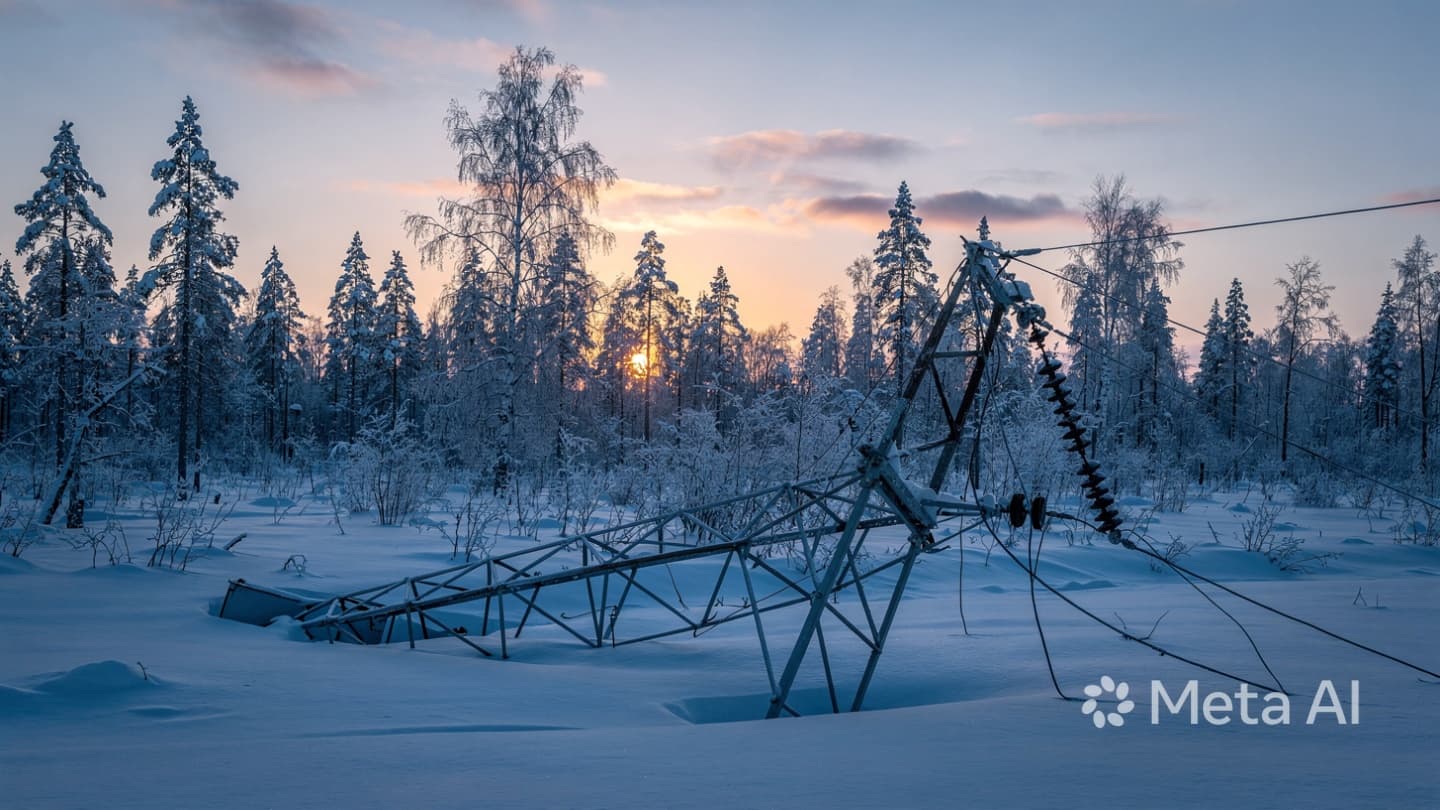
As the storm battered the coast, the stability of the power grid became critical for the community's survival. However, the storm's aftermath revealed a darker side to the disaster. Reports indicate that organized criminal groups exploited the power outages and downed transmission lines, systematically stripping valuable copper from the grid. This theft not only exacerbates the power crisis but also raises questions about the integrity and security of the region's infrastructure.
Investigators are now tracing the movement of the stolen copper, which is believed to have been funneled into underground scrap markets. The operation requires specialized knowledge and a disregard for the safety of the power grid, indicating a well-organized network behind the thefts. The authorities are not only focusing on the immediate acts of theft but are also examining the maintenance protocols that may have left the transmission lines vulnerable to such attacks.
The age of the transmission towers, some dating back to the mid-20th century, has compounded the issue. The combination of severe weather and criminal opportunism has created a perfect storm, leading to widespread outages and a sense of betrayal among residents. Repair crews are working tirelessly in sub-zero temperatures to restore power, but the memory of the blackout serves as a stark reminder of the risks faced by communities in the north.
The narrative surrounding the Murmansk blackout is one of resilience in the face of adversity. Each foot of cable replaced represents a small victory over the darkness and those who sought to profit from it. The state of emergency declared in the region has allowed for the mobilization of resources to address the crisis, but the underlying issues of infrastructure neglect and criminal activity remain pressing concerns.
As the investigation unfolds, police raids on regional scrap yards are being conducted to disrupt the profit motive driving the thefts. The authorities are determined to close the loop on this criminal operation, ensuring that the next storm does not present another opportunity for the harvesters of copper. The challenges faced by the Murmansk region are emblematic of broader issues affecting aging infrastructure across the globe, where the intersection of natural disasters and human greed can lead to catastrophic consequences.
In conclusion, while power will eventually be restored and the towers reinforced, the theft of copper serves as a cautionary tale about the fragility of essential services in the face of both natural and human threats. The ongoing investigation is not just about recovering stolen materials; it is about safeguarding the integrity of the life-support systems that sustain communities in the harshest environments.
Published by Banx Network. This article is part of the Banx decentralized media programme, powered by the BXE token on the XRP Ledger.



