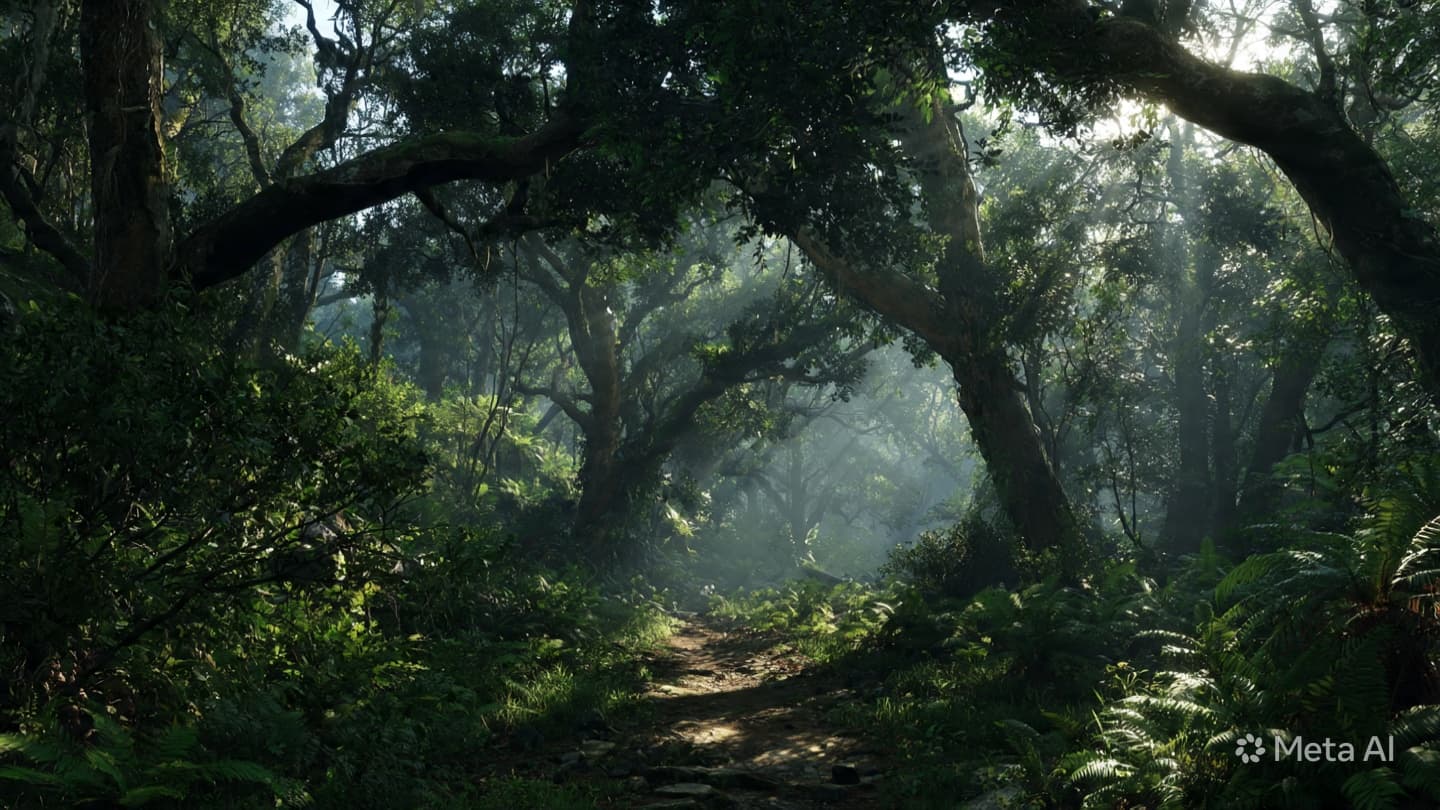
The Carpathians have long been defined by a deep, wooded silence, an ancient domain where the wild heart of Europe still beats with a steady, primal force. For generations, the hikers who ventured into these forests did so with the understanding that they were guests, walking through a space governed by the rules of nature. Yet, in recent times, that boundary has begun to feel porous. Reports of encounters between humans and displaced wildlife are becoming a recurring, troubling narrative, suggesting a shift in the way our two worlds interact.
When a hiker reports a close encounter, it is usually accompanied by a sense of profound disorientation. The wild, which was once kept at a distance, is suddenly immediate—a flash of movement in the brush or the unsettling presence of an animal that should be hidden from view. These interactions are often born of displacement; as the forest environment shifts due to external pressures, the wildlife is forced to navigate closer to the paths and settlements that humans have established. It is a collision of two worlds that, for the longest time, occupied separate, parallel spaces.
Authorities have begun to investigate these sightings with a level of seriousness that reflects the growing anxiety of the local population. The goal is not to pathologize the wildlife, but to understand the reasons behind their migration. There is a delicate, intricate web of causes—ranging from habitat fragmentation to changes in food availability—that drives these animals out of their natural sanctuaries and into the paths of the unwary. The investigations seek to map these new routes of encounter, providing a clearer picture of where the conflicts are most likely to occur.
There is a reflective, almost somber quality to how these reports are handled. It is a acknowledgment that the wildlife is not behaving out of malice, but out of necessity. The encounters are a manifestation of a larger, systemic imbalance, a sign that the forest is struggling to maintain its equilibrium. As investigators look into the patterns of these sightings, they are essentially tracking the shifting geography of the wild, trying to understand how to preserve the sanctuary of the forest while ensuring the safety of those who choose to traverse it.
Public safety in these areas has taken on a new, more cautious dimension. Hikers are being urged to exercise a heightened awareness, to understand the signs of animal presence, and to maintain the distance that is essential for both human and animal well-being. It is a return to a more traditional, respectful way of existing in the mountains, where one does not assume dominion over the terrain, but rather acknowledges the presence of the other inhabitants who call these ridges home.
As the investigations continue, the emphasis is placed on preventive measures. The deployment of deterrents, the careful management of waste, and the establishment of "quiet zones" are all parts of a strategy designed to reduce the frequency of these encounters. It is a collaborative effort, involving ecologists, local authorities, and the hiking community, all of whom are beginning to recognize that the future of the Carpathians depends on our ability to live alongside the wild, rather than in competition with it.
The narrative here is not one of fear, but of recalibration. It is an invitation to view the mountain not as an object of consumption, but as a living, breathing system that requires our care and our distance. The encounters, as alarming as they may be, serve as a reminder that we are part of a larger ecological cycle—one that is currently under immense strain. By paying attention to these reports and adjusting our behavior, we are contributing to the preservation of the very wild that we have come to admire.
Ultimately, the goal is to find a path forward where the hiker and the wild can continue to coexist. The Carpathians remain a place of wonder, and the wildlife that populates them is a testament to the region’s enduring, untamed spirit. By fostering a culture of informed respect, we can ensure that the silence of the woods is preserved, and that our encounters with the wild remain what they were always meant to be: rare, respectful, and deeply humbling acknowledgments of a world far larger than our own.
Published by Banx Network. This article is part of the Banx decentralized media programme, powered by the BXE token on the XRP Ledger.