
Key Highlights
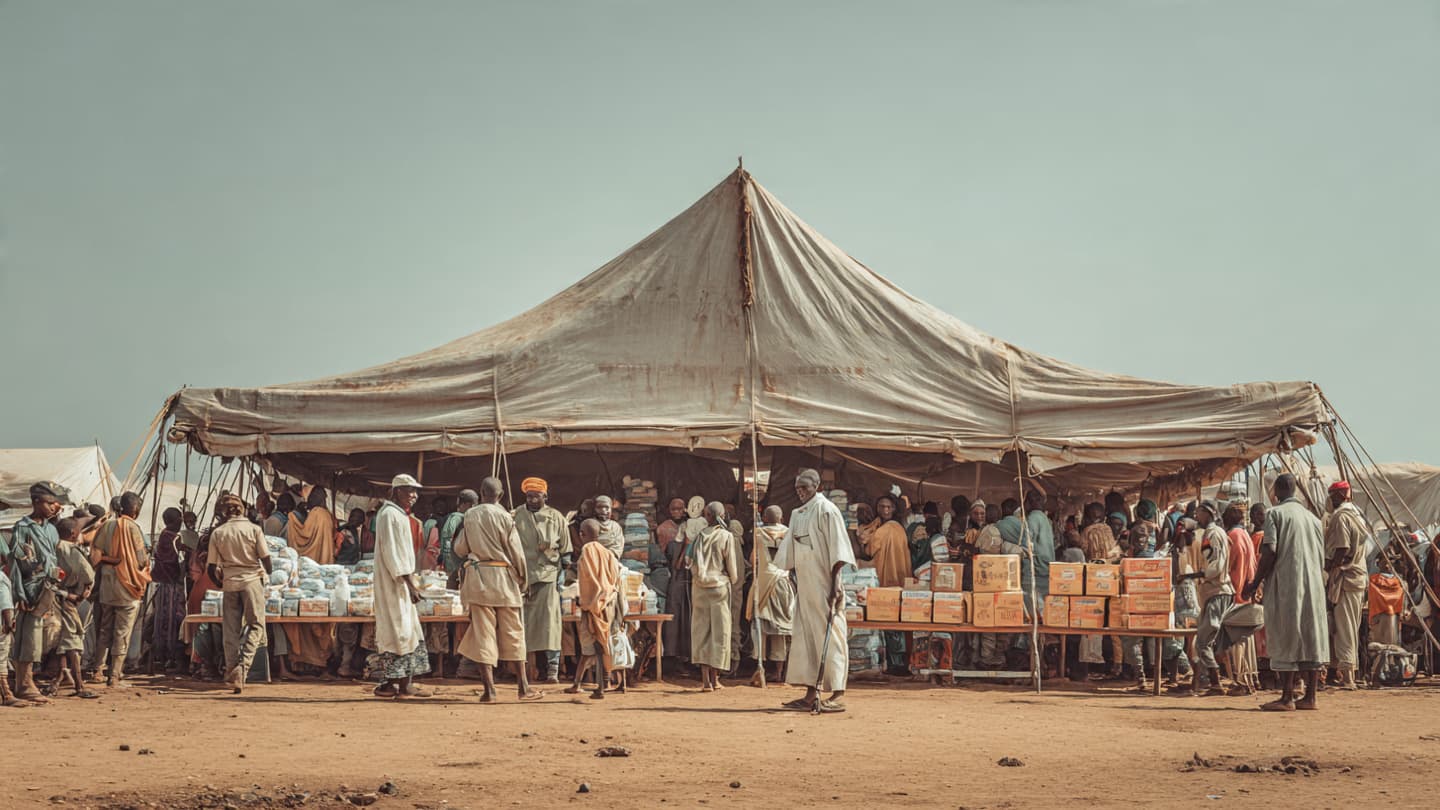
- Humanitarian Crisis:Millions in Sudan require urgent assistance as conflict escalates.
- Displacement:Ongoing fighting has led to extensive civilian displacement and infrastructure damage.
- Food Insecurity:Severe shortages threaten communities, disrupting agricultural production.
The humanitarian crisis in Sudan has reached alarming levels as the conflict enters its fourth year. With the ongoing violence, millions of civilians are facing dire circumstances, prompting urgent calls for international assistance. Humanitarian agencies have reported that the situation is deteriorating rapidly, with many people now reliant on aid for basic necessities such as food, healthcare, and shelter.
Since the outbreak of conflict in April 2023, large swathes of the country have been affected, leading to significant displacement and destruction of vital infrastructure. The United Nations has highlighted that the crisis is one of the most severe in the world, with millions of individuals requiring immediate humanitarian support. The ongoing fighting has not only displaced people but has also severely disrupted essential services, including healthcare and education, compounding the challenges faced by affected communities.
Access to those in need remains a critical issue, as humanitarian organizations struggle to reach the most affected populations. UN officials have pointed out that insecurity, damaged transportation networks, and bureaucratic hurdles are major obstacles to delivering aid. These constraints have left many communities isolated and without the necessary support to survive.
Food insecurity is particularly acute, with international agencies warning that many regions are experiencing severe shortages. Displacement has disrupted agricultural production, leading to increased reliance on food aid. Local markets have also been affected, further exacerbating the situation for families already struggling to meet their basic needs.
The crisis is not confined to Sudan alone; neighboring countries are also feeling the impact as they receive large numbers of refugees fleeing the violence. Regional governments, along with humanitarian partners, are working to provide assistance to these displaced populations, but the scale of the crisis poses significant challenges.
Healthcare systems in many affected areas are under immense pressure, with medical facilities reporting shortages of essential medicines, equipment, and personnel. This has made it increasingly difficult to address both routine healthcare needs and emergency situations, leaving many vulnerable individuals without access to necessary medical care.
In response to the escalating crisis, the United Nations has called for greater humanitarian access, increased international funding, and stronger protections for civilians. Diplomatic efforts continue to seek a sustainable political resolution to the conflict, but the immediate needs of the population remain critical. As Sudan's conflict enters another year, humanitarian organizations emphasize the importance of sustained international attention and support to address the urgent needs of millions affected by this ongoing crisis.
Published by Banx Network. This article is part of the Banx decentralized media programme, powered by the BXE token on the XRP Ledger.



