
Key Highlights
- Facility Size:Bahr El-Baqar is the largest wastewater treatment plant globally.
- Daily Capacity:It processes 5.6 million cubic meters of water each day.
- Agricultural Impact:The treated water irrigates 400,000 acres in the Sinai Peninsula.
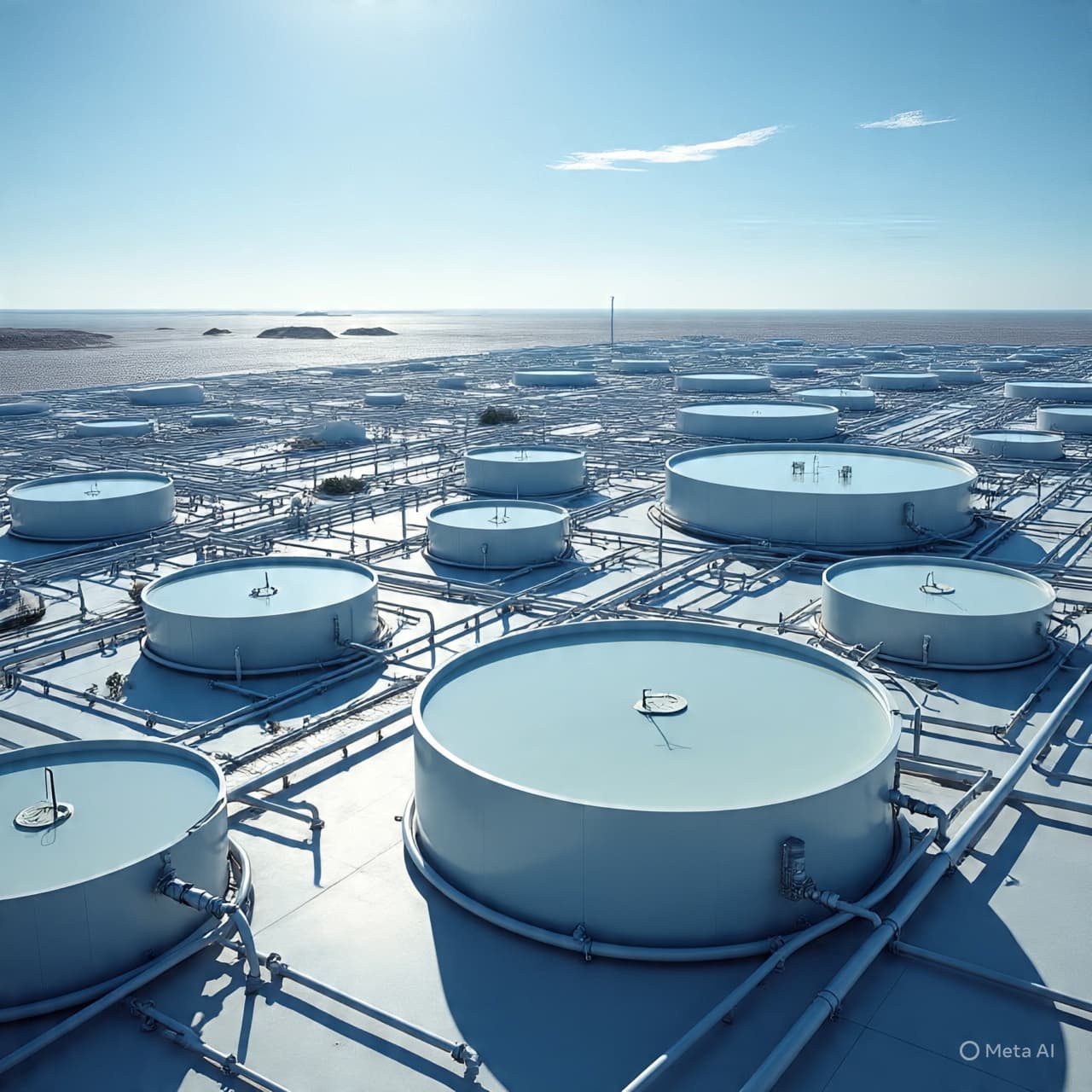
The Bahr El-Baqar wastewater treatment plant, located in the eastern Nile Delta, has officially reached full operational capacity in early 2026. This facility, recognized as the largest of its kind in the world, is a pivotal development in Egypt's efforts to manage water resources sustainably. By converting agricultural drainage water into clean, usable water, the plant is not only addressing pollution but also enhancing agricultural productivity in the Sinai Peninsula.
The plant's impressive capacity of 5.6 million cubic meters of treated water daily is set to transform nearly 400,000 acres of land in North and Central Sinai into fertile farmland. This initiative is a testament to Egypt's commitment to ecological responsibility and sustainable development. The advanced filtration and treatment processes employed at Bahr El-Baqar ensure that the water meets stringent international standards for agricultural use, marking a significant step forward in environmental stewardship.
Inside the facility, the atmosphere is characterized by a high level of cleanliness and advanced technology. The absence of unpleasant odors is a direct result of the sophisticated systems in place, which focus on the removal of heavy metals and other pollutants. This synergy between pollution control and agricultural ambition illustrates how engineering can effectively address environmental challenges while promoting economic growth.
The implications of the Bahr El-Baqar project extend beyond agriculture. By providing a reliable water source to the Sinai, Egypt is fostering stability and prosperity in a region that has historically faced challenges. The project is expected to attract investments in sustainable agriculture and new communities, creating a buffer against extremist ideologies through economic development. This dual focus on land reclamation and national security underscores the strategic importance of the initiative.
The revitalization of the fishing industry in Lake Manzala and the creation of thousands of jobs in the Sinai region are direct outcomes of this project. Environmental engineers involved in the initiative express a sense of pride in their work, viewing it as a crucial contribution to Egypt's sustainable future. The ability to manage water resources effectively is increasingly seen as a marker of national maturity and industrial capability.
Ultimately, the successful operation of the Bahr El-Baqar wastewater treatment plant symbolizes a commitment to resilience and sustainability. As treated water flows through the tunnels beneath the Suez Canal, the vision of a greener Sinai becomes more tangible. This project represents a steady march toward progress, emphasizing the importance of respecting and utilizing the Nile's water resources wisely. The cycle of water management is now closed, and the desert awaits its transformation.
The Bahr El-Baqar wastewater treatment plant has entered full operation in 2026, processing over 5.6 million cubic meters of water daily. The facility utilizes multi-stage filtration and chemical treatment to reclaim agricultural drainage water, which is then pumped via triple siphons under the Suez Canal to irrigate 400,000 acres in the Sinai Peninsula. Egyptian officials noted that the project is a Guinness World Record holder and a key part of the national strategy to maximize water resource efficiency and combat desertification.
Published by Banx Network. This article is part of the Banx decentralized media programme, powered by the BXE token on the XRP Ledger.



