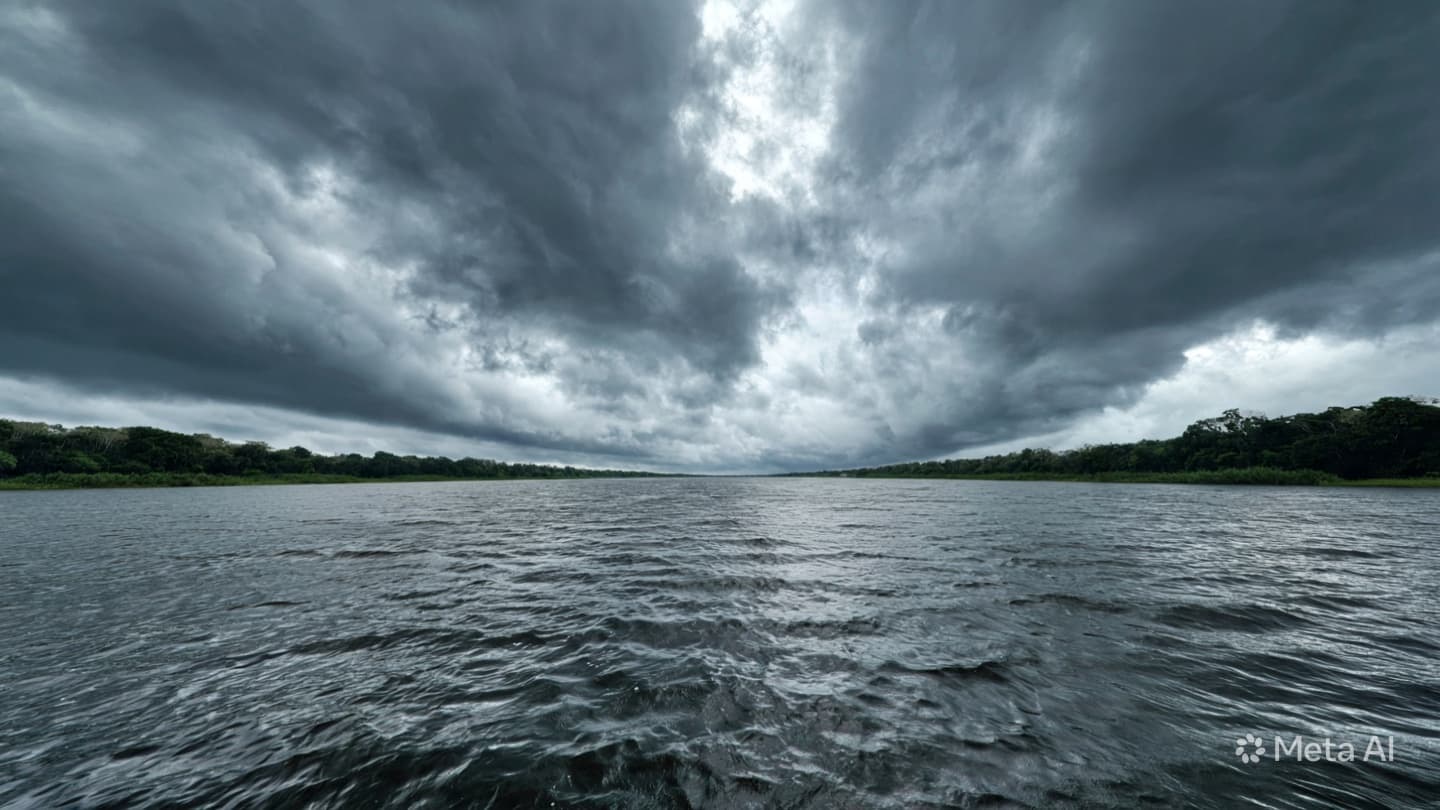
The Essequibo River is not merely a body of water; it is a vast, flowing wilderness that defines the very geography of the region. To traverse its dark, expansive surface is to enter a world where time seems to follow the rhythm of the tides and the slow, deliberate pulse of the current. It is a place of immense beauty and inherent, elemental challenge, where the distance between the banks is often a reminder of the scale of the landscape. When a collision occurs on these open waters, the suddenness of the event stands in stark, violent contrast to the steady, enduring tranquility of the river.
A boat collision in such a vast space is a sobering reminder of the vulnerability of those who rely on the river for their daily passage. In the heart of the Essequibo, where the river serves as the primary thoroughfare for commerce and community, the water is a site of constant negotiation. A momentary lapse, a shift in visibility, or the unpredictable movement of the current can turn a standard journey into a site of profound, irreparable loss. One life extinguished in the middle of the river’s expanse leaves behind a silence that is as heavy as the water itself.
Responders who navigate the river to provide aid and recovery work within an environment that demands both intimate knowledge and supreme caution. Their mission is a quiet, necessary act of duty, performed beneath a sky that seems to span the entire horizon. The process of searching the surface and the depths is a somber orchestration, a commitment to bringing a measure of closure to the families affected by the tragedy. Their presence, moving through the expansive, indifferent landscape, is a testament to the community's refusal to leave the lost to the anonymity of the water.
The investigation into the collision—the examination of the vessels, the analysis of the river conditions, and the reconstruction of the final moments—is the necessary, bureaucratic bridge between the tragedy and the eventual return to normalcy. It is a process that seeks to provide the facts of the event, serving as a marker in the public record. Yet, for those who remain, the facts can never fully capture the depth of what has been lost. The river, meanwhile, continues its journey toward the Atlantic, holding the memory of what has passed in its endless, flowing depths.
Essequibo, as a region, is deeply attuned to the challenges of its waterways, understanding that the river is both a provider and a peril. The incident is felt with a collective, personal depth, a reminder of the fragility of existence in an environment that is as essential as it is unpredictable. It is a call to revisit the safety practices that govern river transit, to honor the life that was lost, and to maintain a vigilant respect for the power of the water that sustains the region’s life.
As the search concludes and the river returns to its rhythmic, flowing state, the memory of the incident lingers as a somber, cautionary note. The families carry their grief, the authorities file their reports, and the boats continue to ply the waters, an essential, persistent expression of the region's movement. It is a cycle that repeats across the miles, a constant, underlying tension beneath the surface of the river. The event is not just a statistic; it is a reflection of the profound, often invisible, risks we all assume the moment we cast off from the shore.
Ultimately, the tragedy in Essequibo is a meditation on the nature of our journey through the world. We navigate the currents as best we can, guided by our knowledge and our hope, always aware that the river holds secrets we cannot fully fathom. The loss is a reminder of our smallness, a moment that prompts us to pause, to look at the water, and to reflect on the value of each life. We continue because we must, but we do so with a deeper, more profound awareness of the fragility that defines our shared, moving reality.
As the sun sets, casting long, bruised shadows across the surface of the Essequibo, the river remains, a timeless, flowing witness to our small, persistent lives. We look on, we reflect, and we continue, forever shaped by the water that flows through our lives. Safety is a fragile victory, one that we work to maintain each day, on every mile of the river, in the quiet, steady hope that we might reach the distant shore.
Published by Banx Network. This article is part of the Banx decentralized media programme, powered by the BXE token on the XRP Ledger.