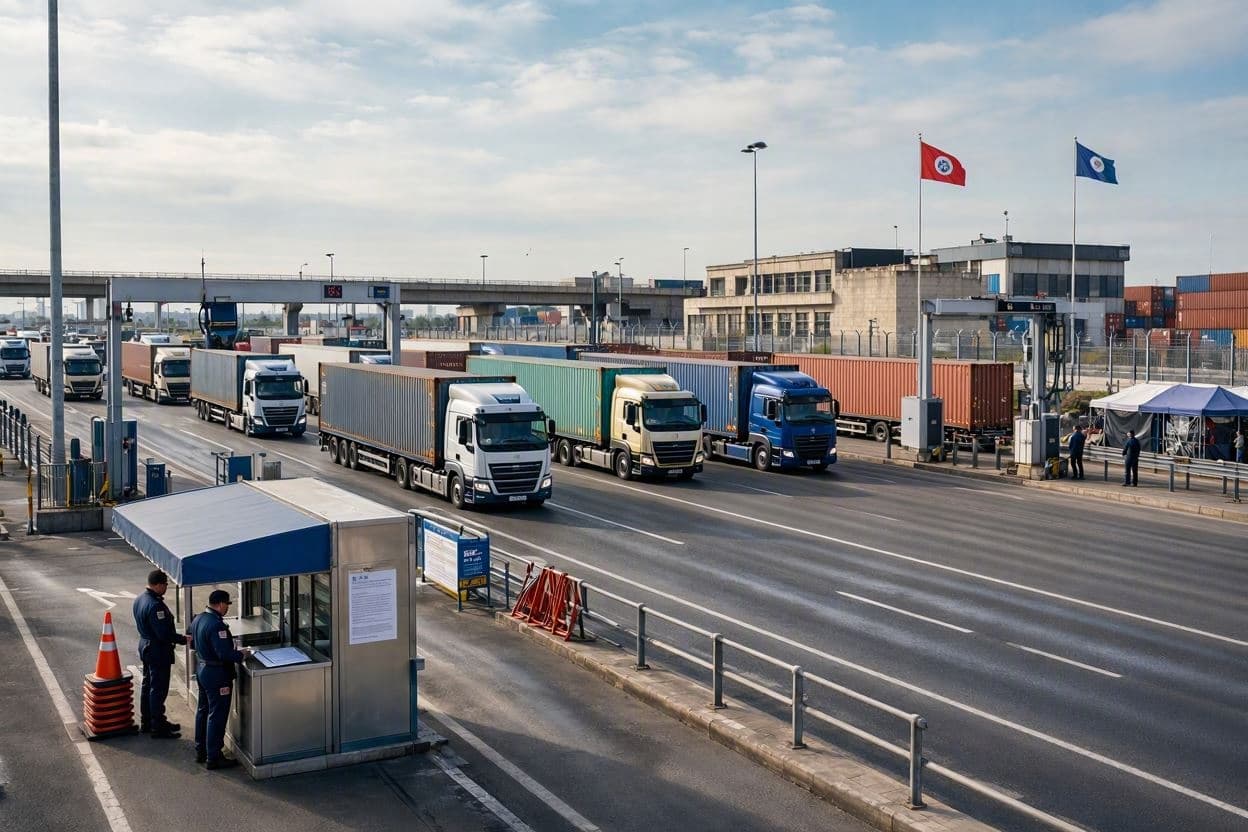
In the complex dance of international relations, gestures of retaliation are often intended to send a message. Yet, when Canada imposed counter-tariffs on American goods during recent trade tensions, the expected ripple effect across the border was surprisingly muted. It was a moment that revealed a disconnect between political strategy and public perception, suggesting that for many Americans, the noise of trade wars barely registers.
The decision by Canada to target specific US states with retaliatory tariffs was a calculated move, designed to exert pressure on key political constituencies. By focusing on products from states that supported certain protectionist policies, Ottawa hoped to create domestic pressure within the US to reconsider its trade stance. However, the response from the American public was largely indifferent, with little evidence of significant backlash or political shift.
Economists note that the scale of the Canadian market, while significant, is small compared to the vast internal economy of the United States. For most American consumers, the price increases resulting from these tariffs were negligible or absorbed by retailers without noticeable impact. This insulation from external economic pressures means that trade disputes often fail to resonate with the average voter, limiting their effectiveness as a political tool.
Furthermore, the integrated nature of the North American supply chain means that pain is often shared rather than isolated. Many US industries rely on Canadian inputs, and vice versa, creating a mutual dependency that blunts the sharp edges of tariff wars. This interdependence makes it difficult for either side to inflict decisive economic harm without suffering consequences themselves.
Political analysts suggest that the lack of American concern reflects a broader trend of inward-looking politics. With domestic issues dominating the news cycle, foreign trade disputes often take a backseat in public discourse. Unless a trade war leads to immediate and visible hardships, such as job losses or significant price hikes, it is unlikely to mobilize public opinion or influence electoral outcomes.
For Canada, this realization may prompt a reevaluation of its trade strategy. While tariffs remain a necessary tool for defending national interests, their utility as a lever for political change appears limited. Instead, diplomacy and negotiation may prove more effective in resolving disputes and maintaining stable economic relationships.
The episode serves as a reminder that in global politics, intentions do not always align with outcomes. What seems like a strategic masterstroke in one capital may be viewed as a minor inconvenience in another. Understanding this disparity is crucial for crafting policies that are both principled and practical.
As trade relations continue to evolve, both nations must navigate the complexities of interdependence with care. The recent experience underscores the importance of dialogue over confrontation, ensuring that economic ties remain a source of strength rather than conflict.
AI Image Disclaimer: Visuals for this report are AI-generated interpretations designed to convey the themes of international trade and economic policy.
Sources: The Globe and Mail, Financial Post, Politico, Bloomberg
Published by Banx Network. This article is part of the Banx decentralized media programme, powered by the BXE token on the XRP Ledger.