
Key Highlights
- Major Initiative:Kenya Ports Authority aims to transform Mombasa and Lamu into global cruise hubs by 2026.
- Economic Impact:The project is expected to significantly boost tourism revenue and create thousands of jobs.
- Infrastructure Development:New passenger terminals and enhanced security measures will accommodate large cruise vessels.
The warm, salt-scented air of the Mombasa coastline is abuzz with anticipation as the Kenya Ports Authority (KPA) embarks on a transformative journey to establish Mombasa and Lamu as premier global cruise hubs by May 2026. This initiative marks a significant shift in Kenya's approach to tourism, as the nation prepares to open its maritime gates to the world. The atmosphere at the terminals is charged with a quiet intensity, reflecting a collective recognition of the coast's beauty as a bridge connecting local culture with global visitors.
This ambitious project is not merely about constructing new facilities; it represents a profound cultural and economic recalibration for Kenya. By inviting the world's largest cruise ships to anchor in its bays, the KPA is crafting a new narrative for coastal tourism, one that emphasizes the importance of sharing the wealth generated by the sea with local communities. This initiative is a strategic move towards a blue-economy-centered tourism model, where the experience of the guest is valued alongside the efficiency of port operations.
The architectural vision for the new terminals is rooted in the principles of hospitality and environmental sustainability. The KPA aims to create spaces that serve as sanctuaries for travelers and local artisans alike, fostering a sense of community and cultural exchange. This approach not only enhances the visitor experience but also supports the local economy by promoting tourism diversification through world-class infrastructure.
As dredging projects deepen the channels and modern reception halls are constructed, the focus remains on maintaining coastal integrity. The KPA understands that the strength of a port lies in its harmony with the sea, and this transition to a cruise-integrated model is seen as a vital step in bridging the gap between the cargo-focused past and a future driven by experiential tourism.
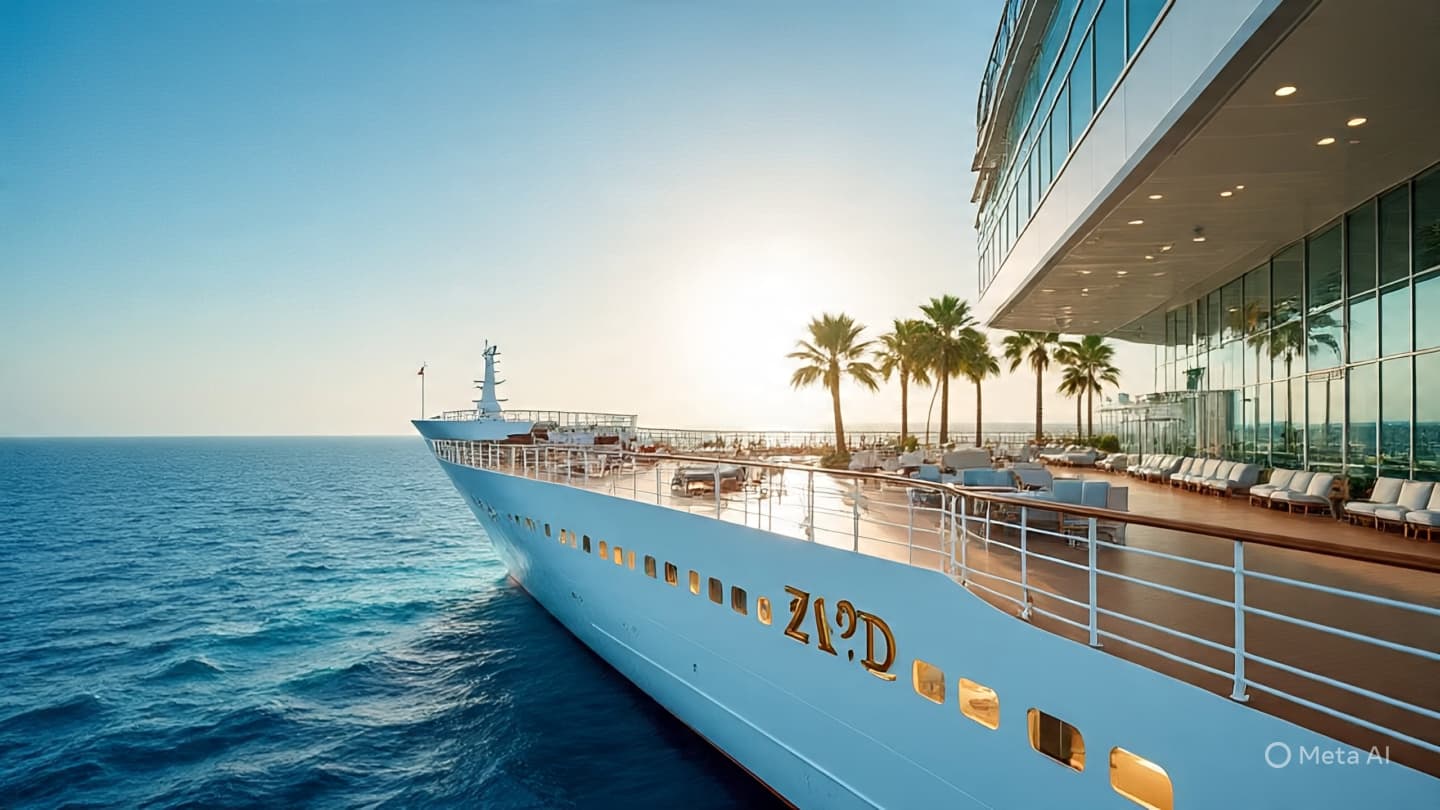
The sight of a massive cruise ship gliding past the historic Fort Jesus at dawn symbolizes the blending of ancient heritage with modern tourism. The 2026 maritime surge serves as a reminder of the interconnectedness of our world, held together by the shared wonder of the oceans. As the first season of expanded operations approaches, the atmosphere is filled with optimism, reflecting a future built on transparency and the promise of new opportunities.
Ultimately, this initiative by the Kenya Ports Authority is a testament to resilience and vision. It underscores the importance of building a future where the world is welcomed at our shores. In the clear coastal light of 2026, Mombasa and Lamu stand poised to become vibrant hubs of maritime activity, showcasing the brilliance of Kenya's people and the integrity of its ports.
The Kenya Ports Authority has announced that the development will include dedicated passenger terminals and enhanced security and logistical infrastructure to accommodate the world's largest cruise vessels. Officials anticipate that this initiative will significantly boost coastal tourism revenue and create thousands of jobs in the hospitality and heritage sectors.
Published by Banx Network. This article is part of the Banx decentralized media programme, powered by the BXE token on the XRP Ledger.



