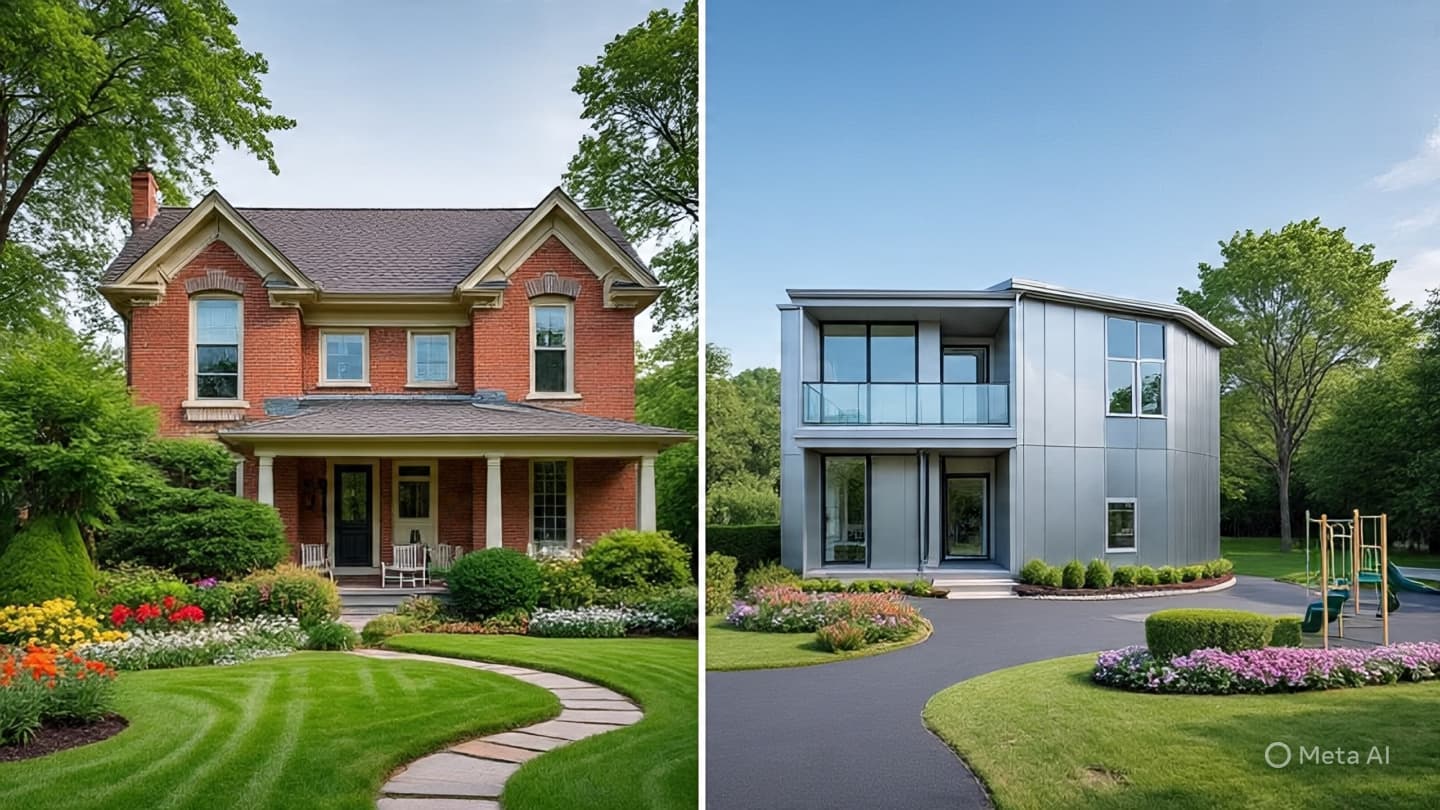
Key Highlights
- New Zealand's property market is witnessing a rise in house-swapping trends.
- Homeowners are trading larger residences for smaller, high-spec townhouses.
- The shift reflects changing demographics and a desire for sustainable living.
In recent years, New Zealand has seen a significant shift in its housing landscape, with many homeowners opting to downsize from larger family homes to more compact living spaces. This trend, often referred to as 'house-swapping,' is not merely a practical decision but a reflection of evolving lifestyles and values within the community. As the seasons of life change, the once cherished spacious family home can become a burden, prompting many to seek a lighter, more agile living arrangement.
The concept of downsizing is gaining traction as New Zealanders reassess their relationship with their homes and the land they inhabit. The act of trading in a house requires both courage and pragmatism, as it challenges the traditional notion of home ownership. Rather than focusing on the volume of space, many are beginning to appreciate the quality of life that smaller, well-designed homes can offer. This shift is indicative of a broader movement towards sustainable living, where the emphasis is placed on efficiency and functionality rather than sheer size.
In modern apartments and compact townhouses, residents are encouraged to curate their living spaces, letting go of unnecessary possessions to create a sense of abundance that prioritizes time, mobility, and ease. This narrative of motion is evident in the flow of furniture and belongings as families transition into more central, vibrant neighborhoods, leaving behind the sprawling suburban lifestyle that once defined their existence.
The idea of 'transition' is central to this property shift, suggesting that our physical environments should evolve alongside our personal aspirations and life stages. As New Zealand's population ages, the demand for smaller, more manageable homes is increasing. The rise of trade-in arrangements in the real estate market reflects this changing demographic, catering to the needs of older residents seeking lower maintenance costs and capital release from their larger properties.
The design of smaller homes offers a unique beauty, characterized by efficient kitchens, clever storage solutions, and an abundance of natural light. These homes symbolize a thoughtful approach to living, where the focus is on maximizing space and enhancing the quality of life. The transition to smaller living spaces is not just a trend; it represents a cultural shift towards valuing simplicity and sustainability in our daily lives.
As the sun sets over New Zealand's tidy gardens and new developments, the relief of downsizing becomes palpable. This movement towards smaller homes is akin to a tree shedding its leaves in preparation for renewal, signaling a collective readiness to embrace a more connected and manageable future. The willingness to adapt our surroundings to better fit our lives is a testament to the resilience of New Zealand's communities, paving the way for a housing market that prioritizes flexibility and contentment.
In conclusion, New Zealand's property market is evolving, with an increasing number of homeowners opting for smaller, high-spec townhouses or retirement units. This trend is not only a response to economic realities but also a reflection of a society that is learning to value the benefits of downsizing and sustainable living practices. As the landscape of housing continues to change, the focus on house-swapping offers a promising glimpse into a future where everyone can find a home that truly fits their needs.
Published by Banx Network. This article is part of the Banx decentralized media programme, powered by the BXE token on the XRP Ledger.