Key Highlights
- Full Capacity:The Cairo Light Rail Transit (LRT) Phase 3 expansion is now fully operational as of early 2026.
- Environmental Impact:The LRT has reduced private vehicle traffic on the Cairo-Suez road by an estimated 25%.
- Connectivity:The system links 12 stations, integrating with the Cairo Metro's Line 3 and the New Administrative Capital.
The Cairo Light Rail Transit (LRT) has officially reached full operational capacity with the completion of its Phase 3 expansion to the 10th of Ramadan City. As of early 2026, this significant development marks a new chapter in urban mobility for Egypt, transforming the way residents navigate between the bustling industrial zones and the newly established administrative capital. The LRT is not just a transportation upgrade; it represents a strategic move towards sustainable urban development, allowing for a seamless journey across a 100-kilometer corridor without reliance on diesel fuel.
The LRT's integration into the urban landscape is a testament to Egypt's commitment to modernizing its infrastructure. The system operates at speeds of up to 120 km/h and connects 12 stations, effectively linking the Cairo Metro's Line 3 with the New Administrative Capital. This multimodal approach enhances accessibility for millions of commuters, particularly those residing in the eastern suburbs, where educational and employment opportunities are now more reachable than ever.
The atmosphere within the LRT stations reflects a new era of urban transit. Gone are the days of noisy engines; instead, the stations resonate with the soft sounds of automated systems and the gentle hum of electric trains. This shift not only improves the commuting experience but also signifies a broader environmental commitment. By reducing private vehicle traffic on the Cairo-Suez road by approximately 25%, the LRT is playing a crucial role in lowering carbon emissions in the capital, contributing to a cleaner urban environment.
The social implications of the LRT's operation are profound. Commuters express a newfound sense of respect for their time, as the efficient transit system allows them to travel quickly and comfortably. This change is indicative of a national transformation, where the management of complex transit systems reflects a country's logistical maturity and readiness for future challenges. The LRT is more than just a means of transportation; it is a symbol of progress and a commitment to sustainable urban living.
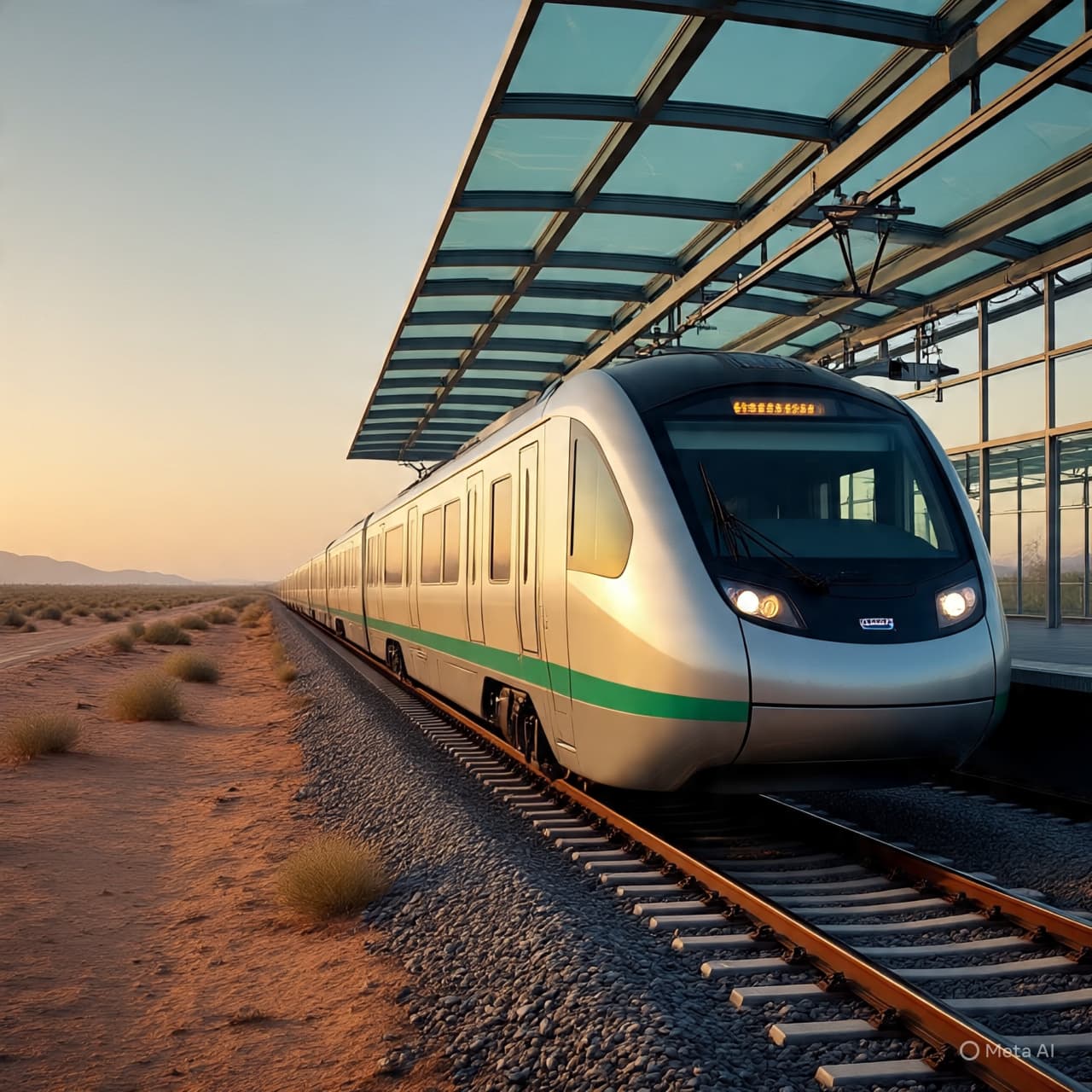
As the sun sets over the desert sands, the sleek silver trains of the Cairo LRT return to their depots, illuminating the path toward a modern Egypt. The successful operation of this transit system is a promise of continuity and growth, ensuring that urban expansion remains sustainable and interconnected. With each passing day, the vision of a cleaner, more efficient city becomes increasingly tangible, marking a steady march toward a future where mobility is both fast and enduring.
The Ministry of Transport has confirmed that the LRT's final operational milestones for the 10th of Ramadan branch have been achieved, solidifying its role as a vital component of Egypt's transportation network. This project, executed in collaboration with international railway experts, is a significant step forward in the nation's efforts to enhance urban mobility while prioritizing environmental sustainability.
Published by Banx Network. This article is part of the Banx decentralized media programme, powered by the BXE token on the XRP Ledger.