
Key Highlights
- Launch Year:The Cairo Monorail commenced full commercial operations in 2026.
- Length:The system stretches nearly 100 kilometers, connecting key urban areas.
- Capacity:It can transport 45,000 passengers per hour in each direction.
The bustling streets of Cairo are undergoing a transformation with the introduction of the Cairo Monorail, which officially began full commercial operations in early 2026. This ambitious project, touted as the longest monorail system in the world, spans nearly 100 kilometers and connects vital urban centers, including the New Administrative Capital, East Cairo, and Giza. The monorail is not just a transportation solution; it represents a significant leap towards modern urban mobility in one of the world's most densely populated cities.
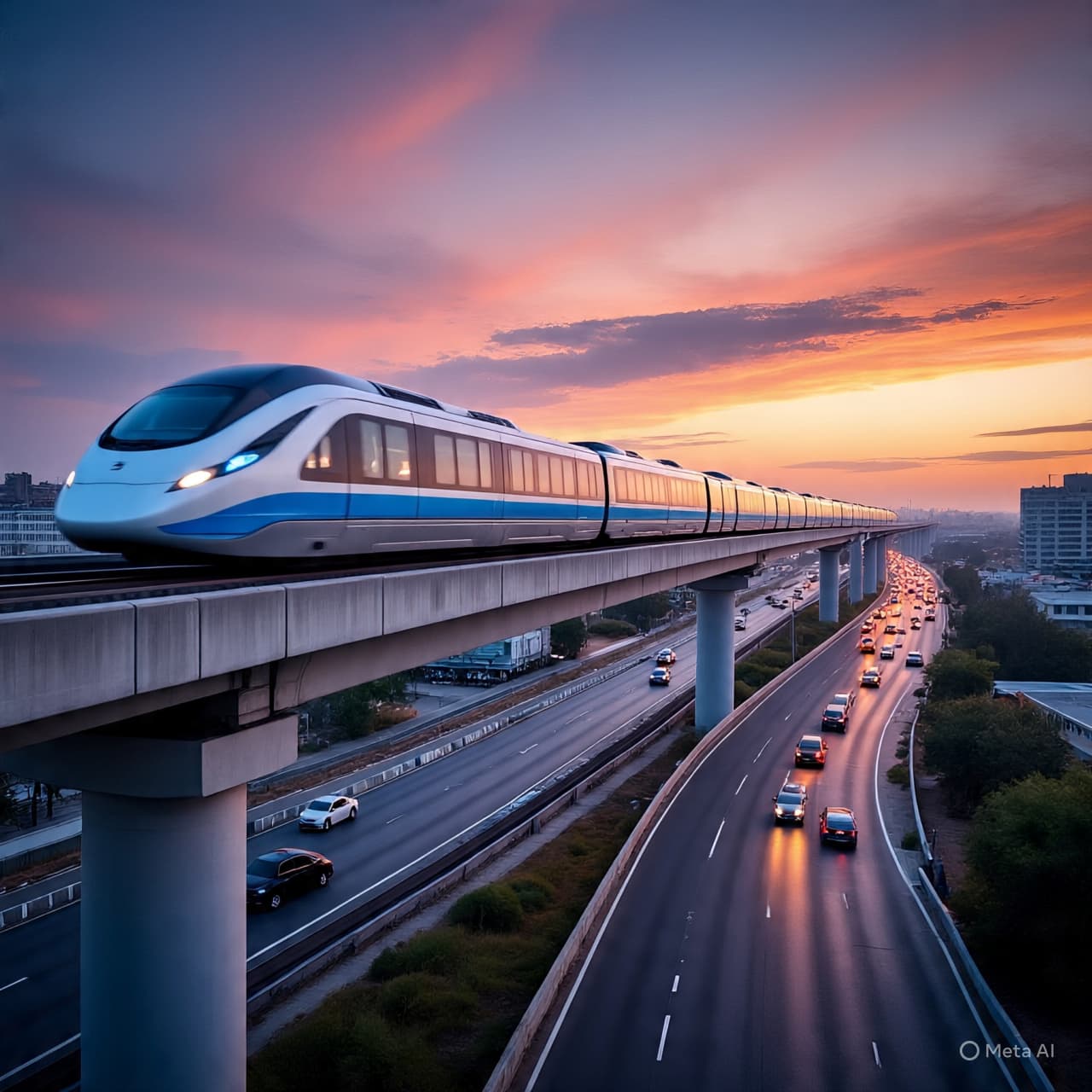
The Cairo Monorail is designed to alleviate the notorious congestion that plagues the city. By elevating the transit system above the ground, it bypasses the chaotic traffic below, allowing commuters to traverse the metropolis in just 45 minutes. This innovative approach to urban transit is a testament to Egypt's commitment to enhancing productivity and improving the quality of life for its citizens. The monorail's operation is expected to significantly reduce reliance on private vehicles, thereby addressing traffic congestion and contributing to environmental sustainability.
Inside the driverless trains, passengers experience a serene atmosphere, devoid of the typical noise associated with traditional rail systems. The trains glide silently along their elevated tracks, powered by a 750V DC third-rail system. This modern technology not only enhances the travel experience but also underscores the integration of the monorail with existing transportation networks, including Cairo's Metro lines and the new High-Speed Rail. Such synergy is crucial for creating a cohesive urban transit ecosystem that meets the needs of a growing population.
The socio-economic implications of the Cairo Monorail are profound. By improving access to new urban centers and revitalizing neighborhoods along its route, the monorail fosters a sense of community and national pride. Commuters are beginning to feel a renewed connection to their city, as the monorail offers a reliable and dignified mode of transport. This shift in public perception is vital for the long-term success of urban transit initiatives, as it encourages more residents to embrace public transportation.
As the monorail continues to operate, it symbolizes a broader commitment to urban resilience and sustainability. The Egyptian government, through the Ministry of Transport, has emphasized that this project is not merely about transportation; it is about ensuring that Cairo remains a functional and livable mega-city for future generations. The successful launch of the Cairo Monorail is a clear indication of the country's engineering capabilities and its vision for a modern urban landscape.
In conclusion, the Cairo Monorail represents a significant milestone in Egypt's transportation history. As the sleek trains glide over the cityscape, they embody a promise of progress and a commitment to building a future that prioritizes efficiency and sustainability. The monorail is more than just a transit system; it is a vital component of a larger vision for a connected and mobile Egypt, paving the way for a new era of urban living.
Published by Banx Network. This article is part of the Banx decentralized media programme, powered by the BXE token on the XRP Ledger.



