
Key Highlights
- Ghana expands domestic mineral processing capacity for lithium and gold in April 2026.
- The shift from raw ore extraction to high-purity battery components signifies a new economic era.
- Ghana's approach serves as a model for other resource-rich nations seeking self-reliance.
In the sharp and heat-shimmering air of the Obuasi industrial parks this week, the rhythmic roar of the furnace meets the sterile precision of the analytical lab, marking a pivotal moment in Ghana's industrial landscape. As the nation celebrates the successful expansion of its domestic mineral processing capacity for lithium and gold in April 2026, the atmosphere within the smelting halls is thick with the quiet intensity of a country realizing that its wealth lies not in the mere export of raw materials, but in the mastery of the molecules that compose them. This transformation is underscored by a profound stillness—a collective acknowledgment that sovereignty is forged in the fire of the crucible.
This transition is characterized by what industry leaders are calling "sovereign value addition." The effort to move beyond the extraction of raw ores to the production of high-purity battery components and refined metals represents not just an economic shift, but a systemic and industrial recalibration. By investing in the infrastructure necessary to refine the earth's gifts on national soil, Ghana is constructing a physical and economic barrier against the future threats of resource exploitation and commodity price volatility. This initiative is a choreography of logic and metallurgical engineering, positioning Ghana as a leader in the global minerals market.
The architecture of this 2026 vigil is built upon the foundation of radical presence and the purity of the assay. It is a movement that values "the integrity of the process" as much as "the tonnage of the yield," recognizing that in today’s world, the strength of a global hub is found in its industrial self-reliance. Ghana serves as a laboratory for "Strategic Mineral Sovereignty," providing a roadmap for other resource-rich nations to navigate the pitfalls of extractive traps through the power of domestic refining and advanced laboratory science.
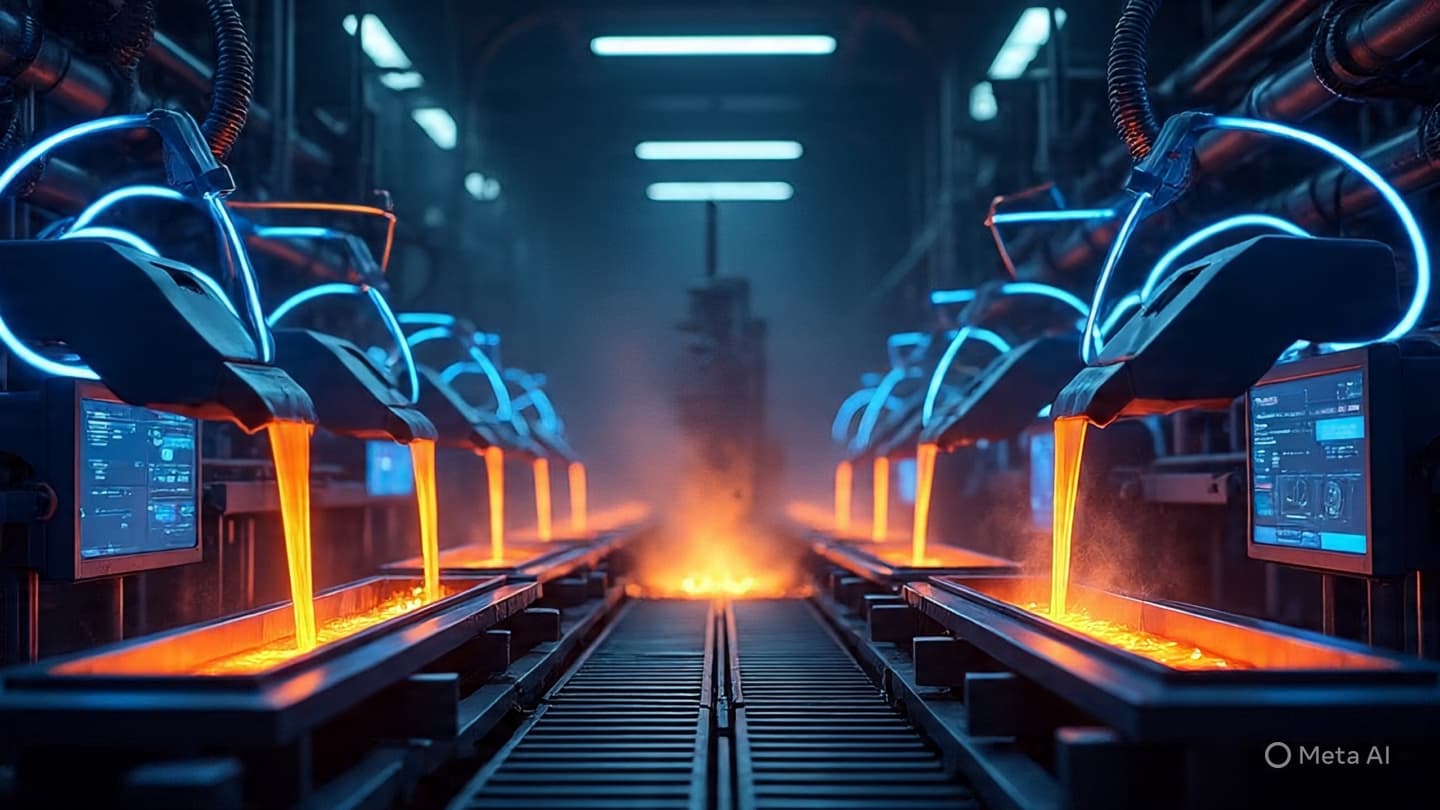
As molten metal flows into molds, it reflects the bright future of a continent that is no longer content to simply give away its treasures. This transformation proves that with the right vision, a nation can convert the minerals of its hills into the engines of its own development. In the quiet, high-tech control rooms of the smelter, the future of the nation is being cast in the language of the element, symbolizing a new era of economic independence and innovation.
Ghana's commitment to enhancing its mineral processing capabilities is not just a local endeavor; it has implications for the entire African continent. By establishing itself as a hub for mineral refinement, Ghana is setting a precedent for other nations rich in resources to follow suit. This shift towards self-reliance in mineral processing could lead to increased economic stability and growth across the region, fostering a new narrative of empowerment and sustainability.
As the world watches, Ghana's industrial vigil stands as a testament to the potential of resource-rich nations to redefine their economic futures through innovation and strategic planning. The journey towards mineral sovereignty is just beginning, but the foundations laid today promise a brighter tomorrow for Ghana and its neighbors.
Published by Banx Network. This article is part of the Banx decentralized media programme, powered by the BXE token on the XRP Ledger.



