
Key Highlights
- Recent landslide in Hpakant, Myanmar, claims at least one life.
- Ongoing search operations for missing workers are underway.
- Calls for stricter regulations in the jade mining industry are intensifying.
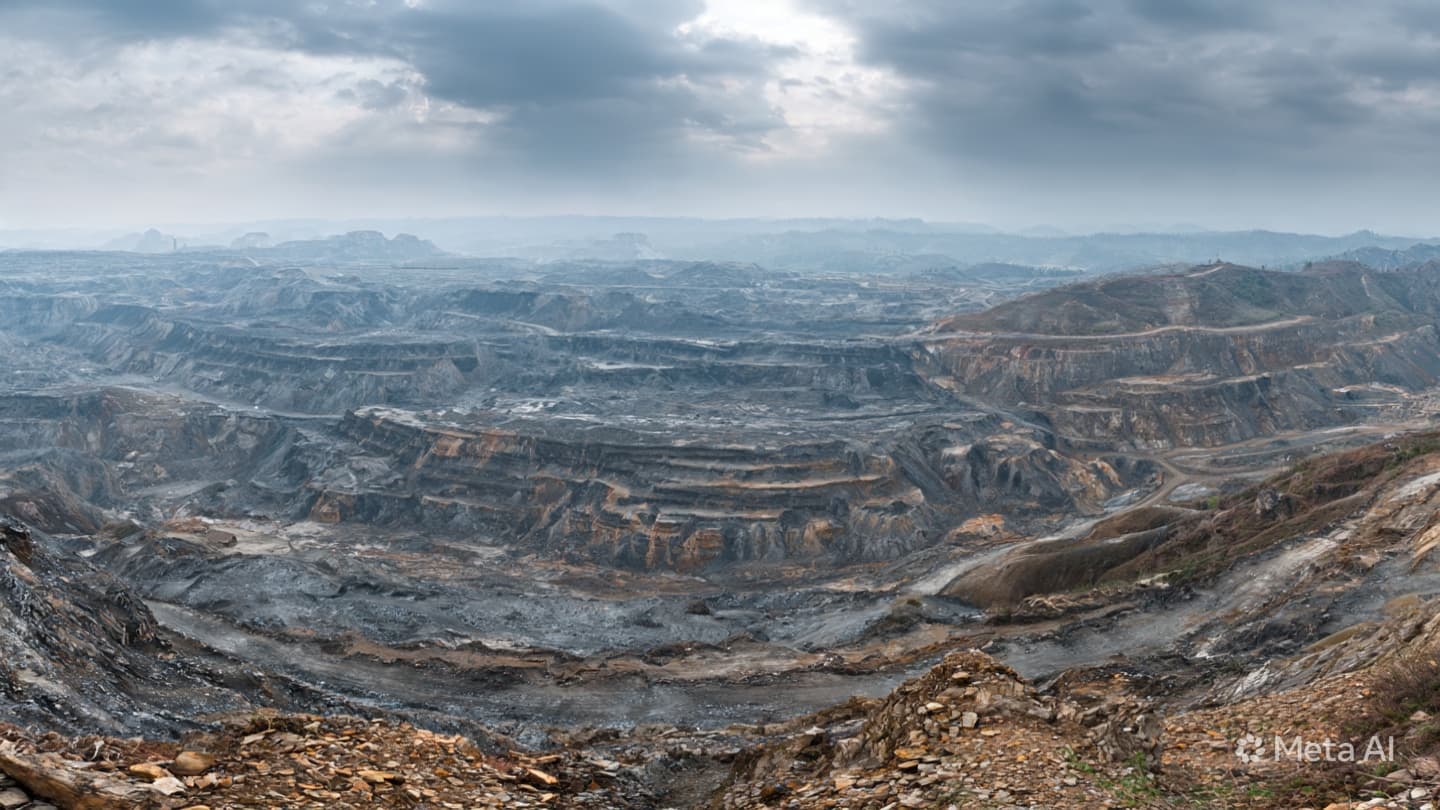
The jade mines of Hpakant, Myanmar, are notorious for their perilous conditions, where the relentless pursuit of jade has led to a landscape marred by massive tailings piles and unstable slopes. The recent landslide, which tragically claimed at least one life and left several workers missing, underscores the ongoing dangers faced by those who work in this high-risk environment. The incident is a stark reminder of the systemic failures within the mining industry, where safety often takes a backseat to production.
In the aftermath of the landslide, rescue teams have mobilized to search for the missing, navigating treacherous terrain that poses additional risks. These brave individuals are engaged in a desperate effort to recover victims buried under the debris, highlighting the human cost of an industry that frequently prioritizes profit over safety. The search operations are not just a race against time; they represent a moral obligation to the families affected by this tragedy.
The cycle of extraction and waste management in Hpakant has created an environment where landslides are not merely unfortunate events but rather predictable outcomes of negligence. The lack of adequate safety measures and regulatory oversight has led to repeated disasters, raising questions about the accountability of mining companies and local authorities. The recent landslide is not an isolated incident; it is part of a broader pattern that demands urgent attention and reform.
Families of the victims are left grappling with profound grief, mourning loved ones lost to an industry that often treats their lives as expendable. The silence that follows such tragedies is deafening, serving as a haunting reminder of the need for transparency and accountability in the mining sector. The community's call for change is growing louder, urging authorities to implement stricter regulations that prioritize the safety and well-being of workers.
As discussions around Hpakant evolve, the focus must shift from reactive emergency responses to proactive measures that prevent future disasters. This includes hazard mapping, limiting the height of tailings piles, and banning operations in high-risk zones. The conversation must be driven by the urgency of these tragedies, with a collective refusal to accept the status quo.
The recent landslide in Hpakant serves as a critical juncture for the jade mining industry. It is a call for a radical re-evaluation of how natural resources are extracted and the human costs associated with that extraction. The hope is that through a combination of local activism, international pressure, and a commitment to safety, the narrative surrounding Hpakant can shift towards one that values human life and sustainable practices over profit.
In response to the latest disaster, regional authorities and local rescue units are conducting intensive search operations at the jade mining site. The municipal government has also initiated an investigation into the stability of surrounding tailings piles to assess the risk of secondary landslides. Emergency services are providing support to the families of the victims and coordinating with medical facilities to ensure that the injured receive the necessary care.
The future of Hpakant and its jade mining industry hinges on the ability to learn from these tragedies and implement meaningful changes that protect workers and their communities.
Published by Banx Network. This article is part of the Banx decentralized media programme, powered by the BXE token on the XRP Ledger.



