The industrial sector often hums with a consistent, low-frequency rhythm—the sound of heavy machinery, the steady pace of logistics, the purposeful motion of labor. It is a landscape defined by utility and the relentless forward pressure of construction and commerce. Yet, when that rhythm is suddenly, sharply interrupted by the arrival of emergency vehicles, the entire character of the site shifts. A different kind of stillness descends, one that is heavy, profound, and deeply human.
Such an event occurred recently within the industrial sector of a city, where a workplace incident left a life extinguished in the midst of a routine task. When the news of a fatality breaks, it often arrives as a series of sterile, procedural updates. We read of investigations and inquiries, of agencies and departments, all necessary and important, yet they can obscure the fundamental truth: a person left their home to complete a day of work and did not return.
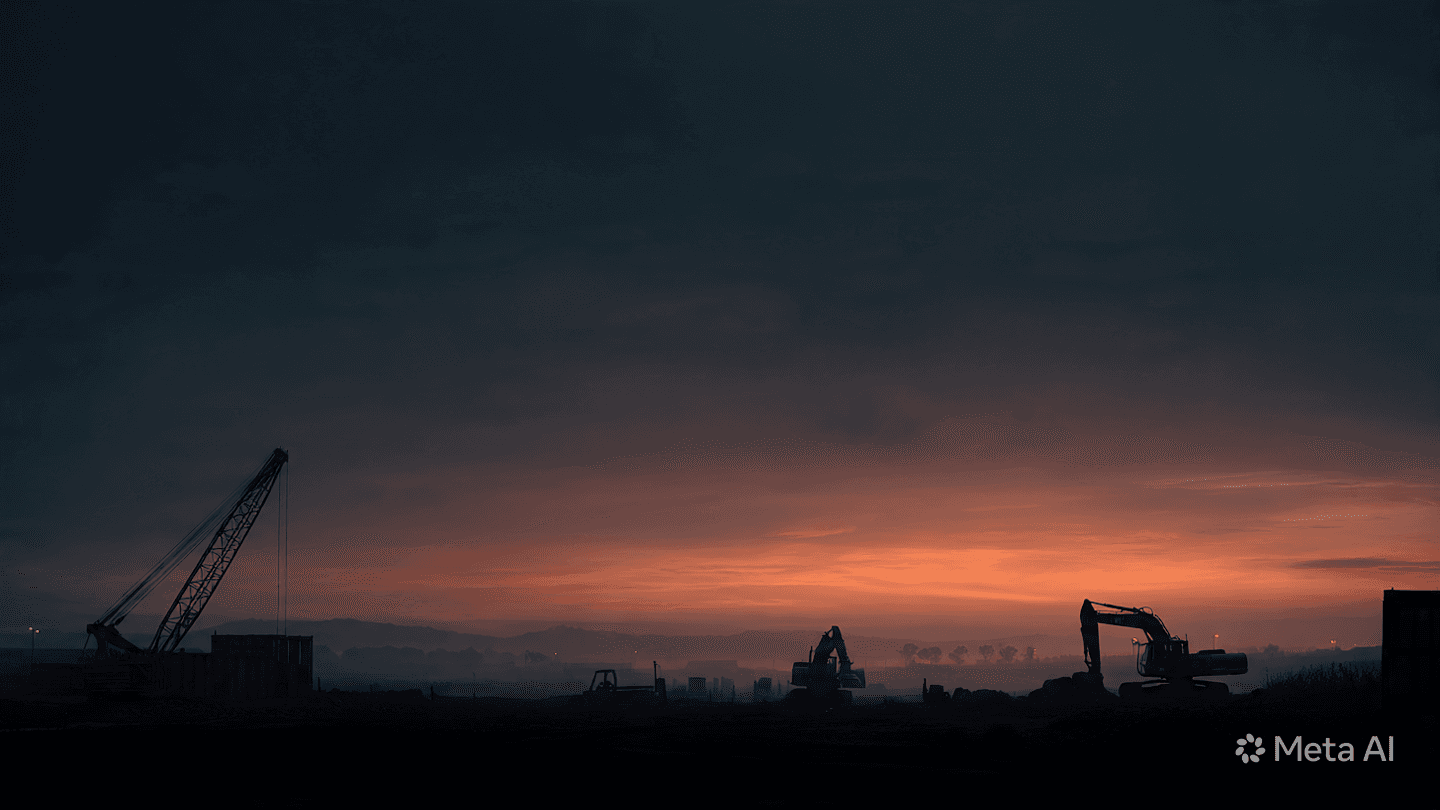
There is a quiet, mournful quality to these sites in the aftermath. The heavy equipment, usually a symbol of capability and progress, now sits idle, transformed into silent participants in a larger, darker narrative. The environment itself, once full of the noise of production, becomes a space of reflection, a place where the ordinary business of building the world has been brought to a sudden, jarring halt.
The ongoing investigation is an effort to retrace the steps that led to this moment. It is a meticulous examination of the variables—the commercial vehicles, the heavy gear, the environmental conditions—that converged at that specific time and place. Investigators from various bodies, including the Ministry of Labour and the Office of the Chief Coroner, move through the space with the care of those who understand that they are searching for the truth of a life-altering event.
For the families affected, the procedural language of investigation offers little immediate solace. The loss is absolute, a void that cannot be filled by the conclusions of a report or the subsequent regulatory measures. It is the human cost of the industrial progress we often take for granted, a stark reminder that the structures we inhabit are built upon the work of those whose vulnerability is ever-present.
The history of such incidents is often a history of slow, incremental change, driven by the sobering reality of workplace tragedies. Each investigation, each finding, and each fine serves as a catalyst for a re-examination of safety, a way to sharpen the focus on the protocols designed to protect the individual within the collective machine. It is a painful path toward a goal that is always, in some sense, just out of reach.
As the city continues to expand around these industrial pockets, the routine of labor continues, but perhaps with a slightly heavier awareness. The incident serves as a momentary pause in the relentless pace of development, a reminder that the workers who build our cities are not merely anonymous figures in the background. They are individuals whose presence and contribution are essential to the fabric of our shared life.
The final report will eventually offer a sequence of causes, a set of recommendations, and a conclusion. However, the true weight of the event resides in the time before the report, in the quiet, reflective space where the loss is felt and the reality of the incident is integrated into the collective memory of the community. It is a reminder of the fragility of our daily rhythms.
The investigation will continue through the coming weeks, a quiet, methodical process designed to bring transparency to the event. For now, the site remains a place of caution, its stillness a quiet tribute to the worker who is no longer there to contribute to the ongoing, steady progress of the industrial machine.
Published by Banx Network. This article is part of the Banx decentralized media programme, powered by the BXE token on the XRP Ledger.