As the date for Alberta’s separation referendum draws nearer, a quiet tension is building within the province’s political landscape. It is a moment of reckoning where loyalty, identity, and the future of the federation are being tested, revealing fissures that run deep within the conservative movement and beyond.
Federalists across Canada are expressing concern over the perceived silence of many Alberta Conservative MPs regarding the upcoming referendum. With the vote scheduled for October, critics argue that elected officials have a duty to clearly articulate their stance on national unity. However, reports indicate that a significant number of MPs have remained noncommittal or absent from the public debate, leaving voters to navigate the issue without clear guidance from their representatives.
The referendum, initiated by the provincial government, is seen by many as a symbolic gesture rather than a practical path to independence. Legal and economic experts have highlighted the immense hurdles facing any separation effort, from constitutional barriers to financial instability. Despite these challenges, the campaign has gained traction among certain segments of the population, fueled by longstanding grievances and a desire for greater autonomy.
Conservative Leader Pierre Poilievre has stated that all party members will campaign for Alberta to remain part of Canada, emphasizing the importance of unity. Yet, the lack of visible engagement from many local MPs has led to accusations of ambivalence. Federalists argue that this silence undermines the democratic process and fails to provide the leadership needed during such a pivotal moment in the province’s history.
Some MPs have begun to speak out, launching campaigns to advocate for staying within the federation. They highlight the benefits of national cooperation, including shared resources, defense, and economic stability. These voices are trying to counter the narrative of separation by focusing on the tangible advantages of being part of a larger, diverse country.
The debate has also sparked conversations about the role of political parties in shaping public opinion. Critics suggest that the federal Conservative Party needs to do more to support its members in Alberta, providing them with the tools and messaging necessary to effectively communicate the value of national unity. Without this support, MPs may feel isolated or hesitant to take a strong stand.
As the referendum approaches, the pressure on elected officials is likely to increase. Voters are looking for clarity and conviction, hoping that their leaders will prioritize the long-term well-being of the province and the country. The outcome of this political struggle will have implications far beyond Alberta, affecting the fabric of Canadian federalism.
With weeks remaining until the vote, the call for active participation from all political leaders grows louder. The coming days will test the resolve of Alberta’s MPs and their commitment to the principles of democracy and national unity.
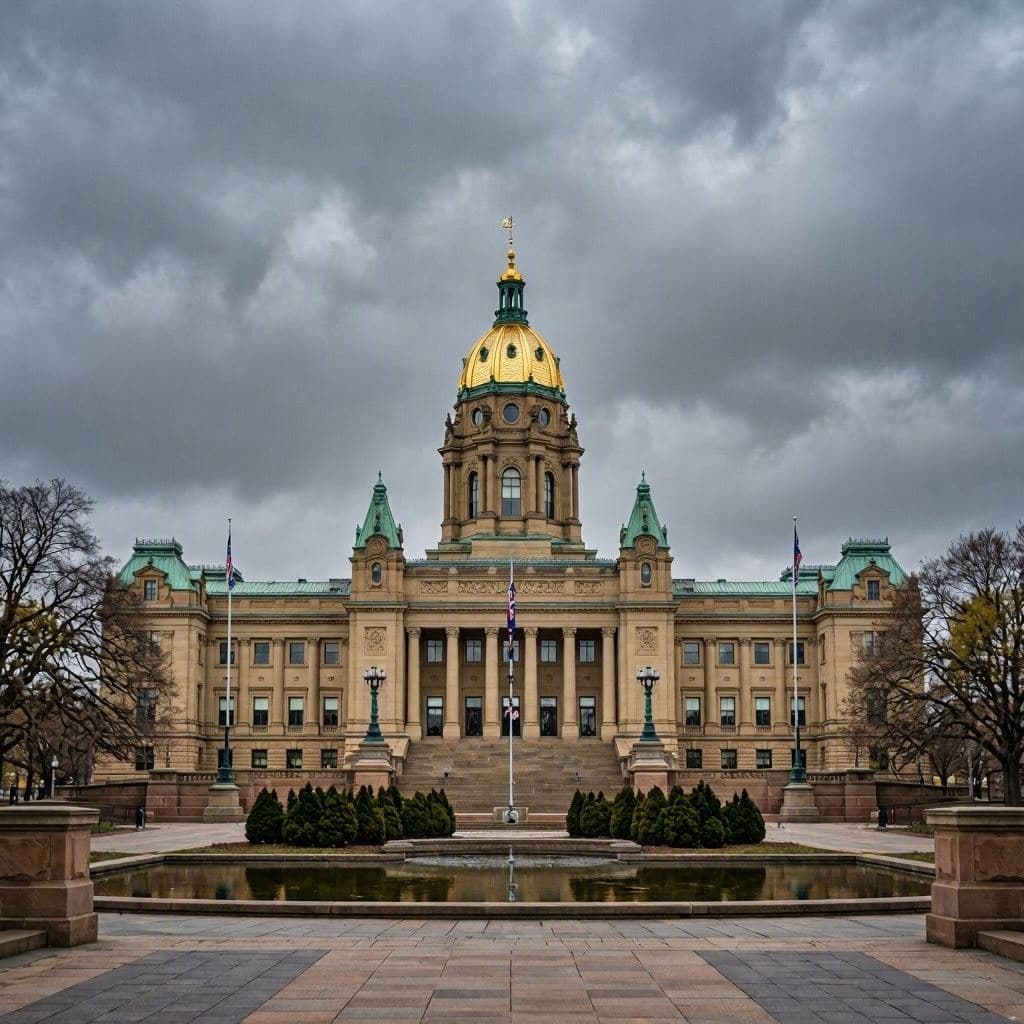
AI Image Disclaimer: Visuals for this report are AI-generated interpretations designed to convey the themes of political debate and national identity.
Sources: The Toronto Star, Edmonton Journal, The Hill Times
Published by Banx Network. This article is part of the Banx decentralized media programme, powered by the BXE token on the XRP Ledger.