Conflict rarely moves in straight lines. Even when leaders announce pauses, the realities on the ground often remain complicated, shaped by uncertainty, competing interests, and fragile hopes for stability. In Lebanon, the announcement of a partial ceasefire has offered a measure of optimism, yet reports of continuing attacks demonstrate how difficult it can be to transform agreements into lasting calm.
The ceasefire announcement emerged amid ongoing tensions involving Israel and Hezbollah. For months, exchanges of fire along border areas have raised concerns about broader regional instability and the potential for further escalation.
Diplomatic efforts have continued behind the scenes, involving regional governments and international actors seeking to reduce violence. Such negotiations often require balancing immediate security concerns with longer-term political realities that are far more difficult to resolve.
Although the ceasefire represents a positive development, reports from affected areas indicate that hostilities have not completely stopped. Incidents occurring after the announcement illustrate the challenges associated with implementing agreements in active conflict zones.
Residents living near areas of confrontation remain particularly affected. Families, businesses, and local communities frequently bear the greatest burden during prolonged periods of instability. Daily routines become uncertain, and recovery efforts can be delayed by continuing security concerns.
Humanitarian organizations continue monitoring conditions and assessing needs. Access to essential services, infrastructure maintenance, and civilian protection remain priorities whenever violence disrupts normal life.
Observers note that ceasefires often serve as initial confidence-building measures rather than final resolutions. Their effectiveness depends on consistent implementation, communication channels, and mechanisms capable of addressing alleged violations when they occur.
The wider region continues to watch developments carefully. Stability in Lebanon has implications that extend beyond national borders, influencing diplomatic relationships, economic conditions, and regional security calculations.
For now, the partial ceasefire stands as both a sign of possibility and a reminder of ongoing challenges. While attacks have not fully ceased, diplomatic efforts continue as officials seek pathways toward greater stability and reduced violence.
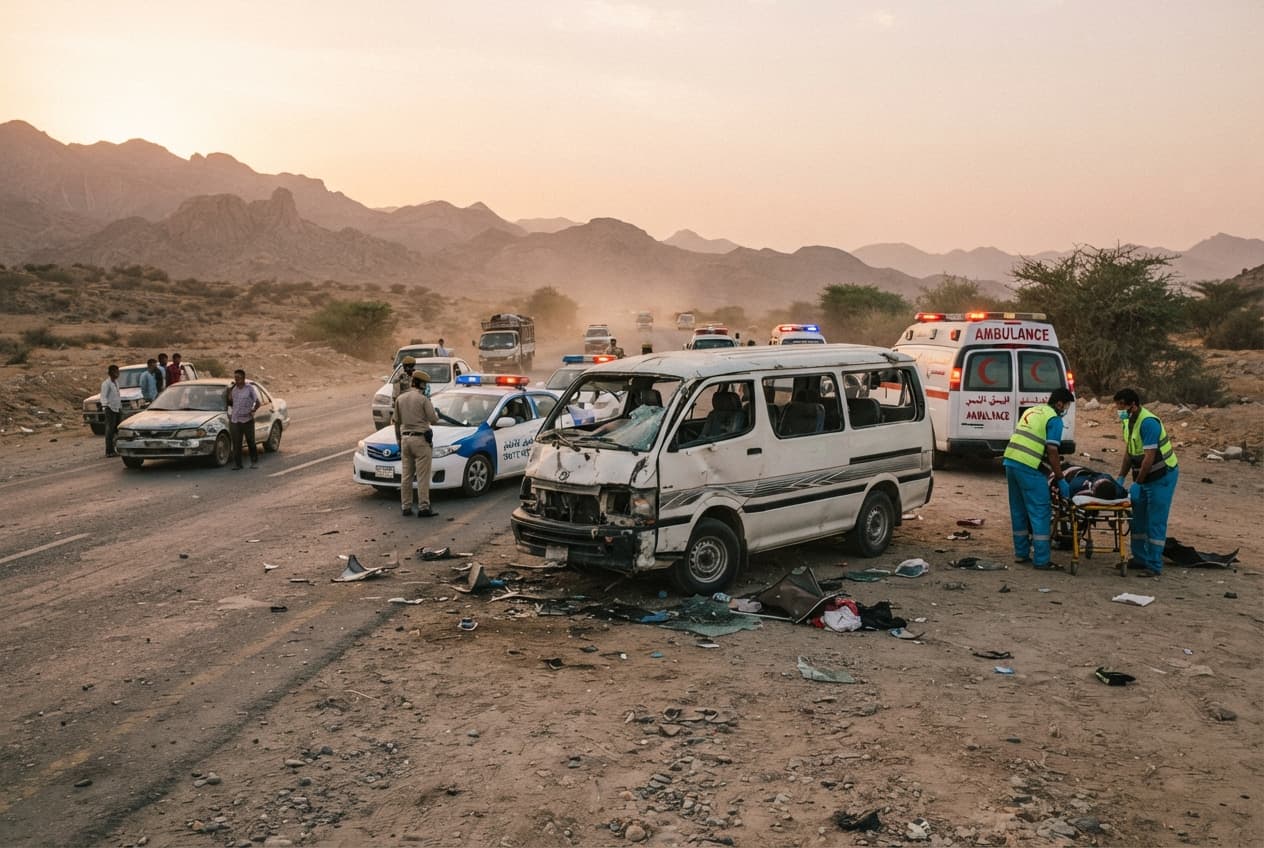
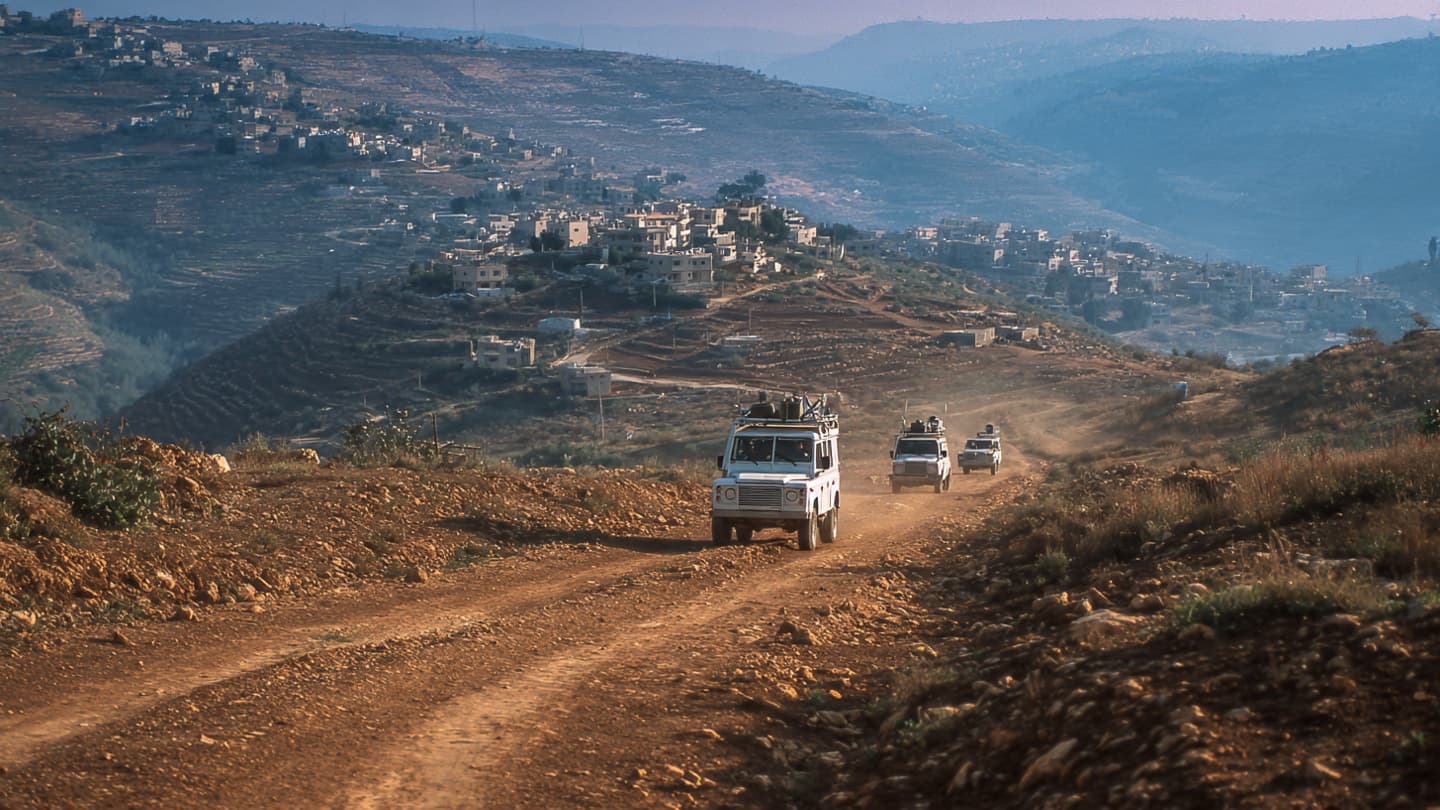
AI Image Disclaimer: The visual illustrations accompanying this article were generated using AI to provide contextual imagery and do not depict actual events.
Source Verification Check: Reuters, Associated Press, BBC News, Al Jazeera, The Guardian
Published by Banx Network. This article is part of the Banx decentralized media programme, powered by the BXE token on the XRP Ledger.