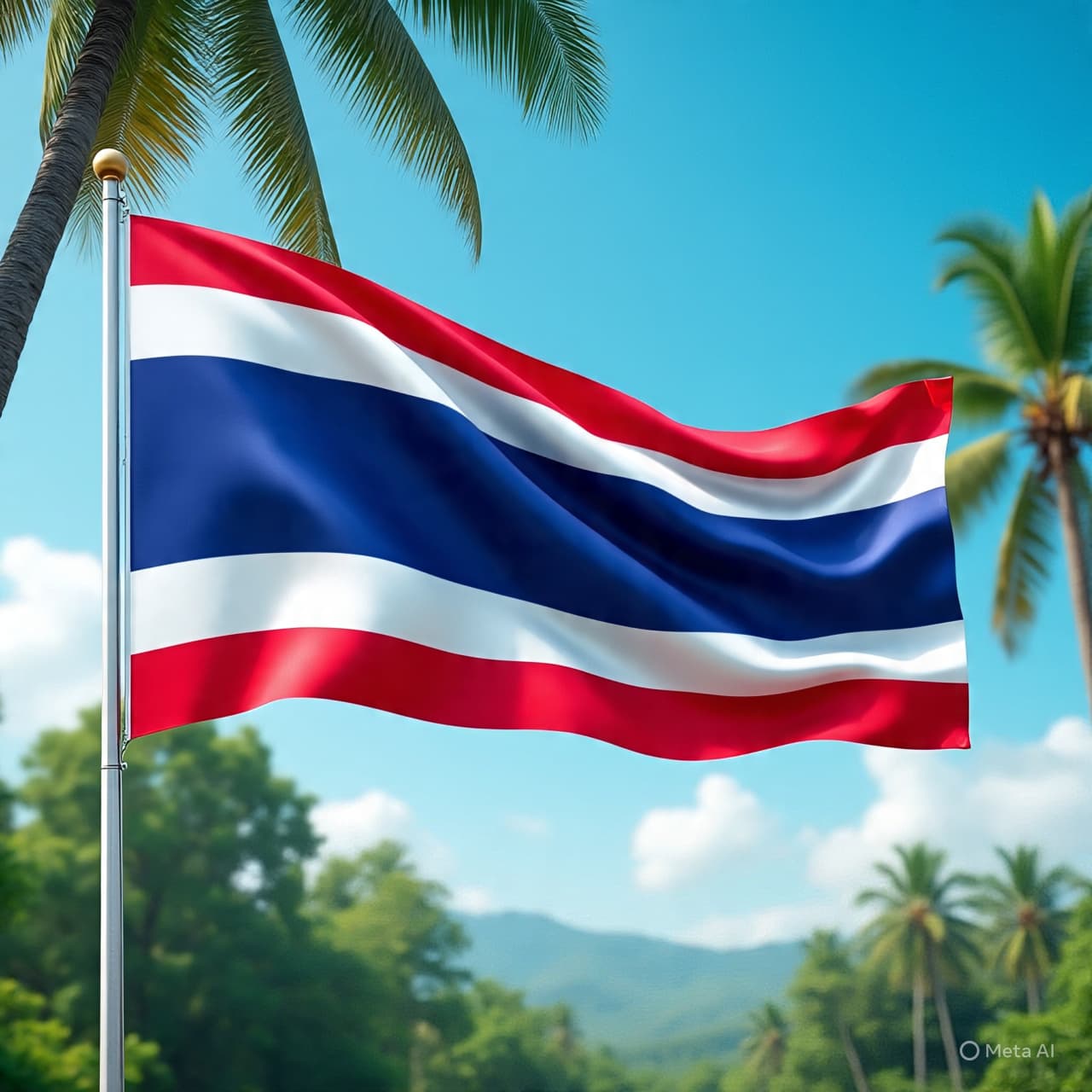
On the first day of a major Asia tour, Donald Trump stepped into the diplomatic spotlight in Kuala Lumpur as much more than a visiting head of state. He presided over the formal signing of an expanded cease-fire between Thailand and Cambodia — a region long marked by uneasy borders and sporadic violence.
What makes the moment notable is not just the ink on paper but the unusual pairing of peace and commerce. Trump, arriving at the summit of the Association of Southeast Asian Nations (ASEAN), used his platform to link the new truce with broader U.S. trade ambitions in the region. He emphasized that “robust commerce” with Thailand and Cambodia would accompany their commitment to peace.
The cease-fire agreement builds on earlier talks and a prior truce signed in July under pressure from Washington and Malaysia. The newly expanded pact mandates withdrawal of heavy weapons, landmine removal, and the deployment of regional observers along the Thailand-Cambodia border.
For Trump, the signing serves multiple aims: it reinforces his image as a global peacemaker, bolsters his Asia policy credentials, and dovetails with his trade strategy. At the same time, for Thailand and Cambodia it offers a visible show of international backing and a chance to stabilize a volatile border region.
In closing: The ceremony marks a diplomatic milestone at the ASEAN summit with President Trump playing a central role. Implementation remains the real test, as both nations still face entrenched border-disputes and any future cease-fire depends on follow-through from all parties.
Published by Banx Network. This article is part of the Banx decentralized media programme, powered by the BXE token on the XRP Ledger.