
Key Highlights
- Global Practice:Tai Chi is embraced worldwide as both a martial art and a health exercise.
- Health Benefits:Research shows Tai Chi improves balance, flexibility, and mental well-being.
- Cultural Significance:Recognized as part of intangible heritage, Tai Chi embodies a philosophy of balance.
Tai Chi, an ancient Chinese practice, has transcended its origins to become a global phenomenon, offering a unique blend of physical exercise and mental tranquility. In the early hours of the day, practitioners can be seen in parks and community spaces, moving gracefully through its slow, deliberate forms. This practice, often described as a moving meditation, invites participants to engage in a conversation with their bodies and the environment, fostering a sense of calm amidst the chaos of modern life.
In recent years, the relevance of Tai Chi has surged, particularly as people seek ways to counteract the stresses of contemporary living. Health researchers have highlighted its numerous benefits, including enhanced balance, flexibility, and mental health, especially for older adults. Studies indicate that the gentle, flowing movements of Tai Chi can significantly reduce the risk of falls, improve cardiovascular health, and alleviate stress, making it an ideal exercise for those who may find high-impact workouts challenging.
Beyond its physical benefits, Tai Chi serves as a powerful antidote to the fast-paced world we inhabit. In an era dominated by rapid information exchange and relentless schedules, the practice encourages a deliberate slowing down. Each movement is infused with intention, and every pause is rich with meaning. This mindful approach to movement not only enhances physical health but also nurtures mental clarity and emotional resilience.
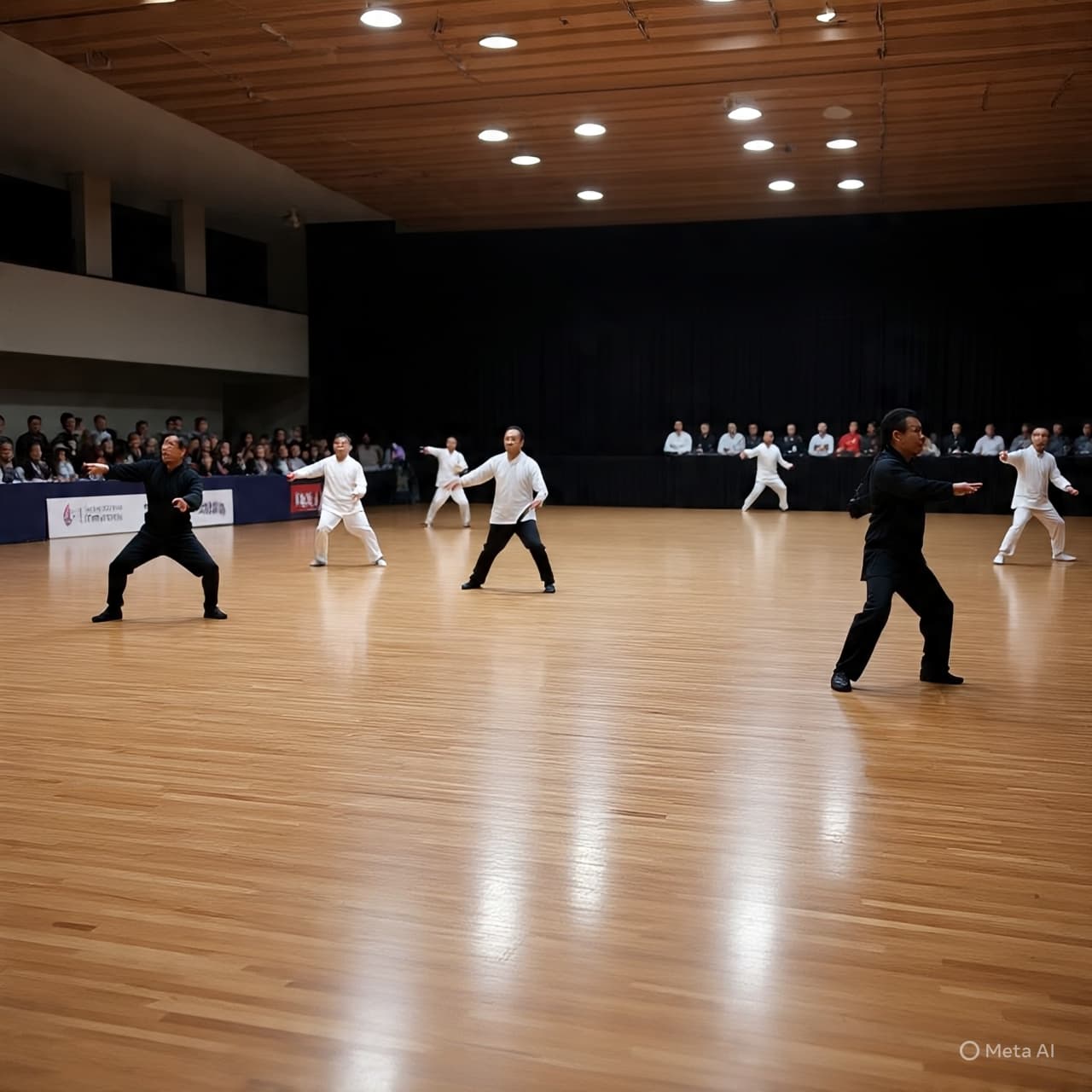
The expansion of Tai Chi into various domains reflects its versatility and appeal. International competitions now showcase Tai Chi as both a sport and an art form, where practitioners are evaluated on their precision and fluidity. Concurrently, public health initiatives have recognized Tai Chi as an accessible exercise option that requires no special equipment and can be adapted to suit different abilities, making it a valuable resource for diverse populations.
In urban environments where space is at a premium, small groups often gather to practice Tai Chi, creating a sense of community through shared movement. This collective experience transcends language barriers, fostering a universal understanding that connects individuals through rhythm and flow. The practice's global reach has also been acknowledged by cultural organizations, which emphasize its significance as part of intangible heritage, highlighting the philosophical principles that underpin its movements.
As Tai Chi continues to evolve, it retains the essence of its origins while adapting to contemporary contexts. Whether taught as a therapeutic exercise, a disciplined martial art, or a meditative practice, it remains rooted in the belief that mindful movement can lead to a deeper alignment of body and mind. As day transitions to night, the same gentle movements often reemerge, not as a conclusion but as a continuation of the day's journey. In this cyclical practice, there lies a profound reminder that even in a world defined by speed, there are still pathways to tranquility and connection.
The facts surrounding Tai Chi are clear: it is a globally practiced art form with documented health benefits and cultural significance. Yet, beyond these measurable aspects, it offers a quieter, more profound invitation to reflect on the pace of our lives and the ways we choose to move within them.
Published by Banx Network. This article is part of the Banx decentralized media programme, powered by the BXE token on the XRP Ledger.



