
Key Highlights
- Increased UK naval surveillance in response to Russian submarine activity.
- Military assets deployed to monitor critical undersea infrastructure.
- NATO partners enhance collective efforts to track maritime movements.
In recent weeks, the United Kingdom has intensified its naval surveillance operations in response to heightened Russian submarine activity near its waters. This strategic move comes as military assets are deployed to monitor and deter potential threats to critical undersea infrastructure, including communication cables and energy pipelines. These networks, vital for modern connectivity, have become focal points of concern amid escalating geopolitical tensions.
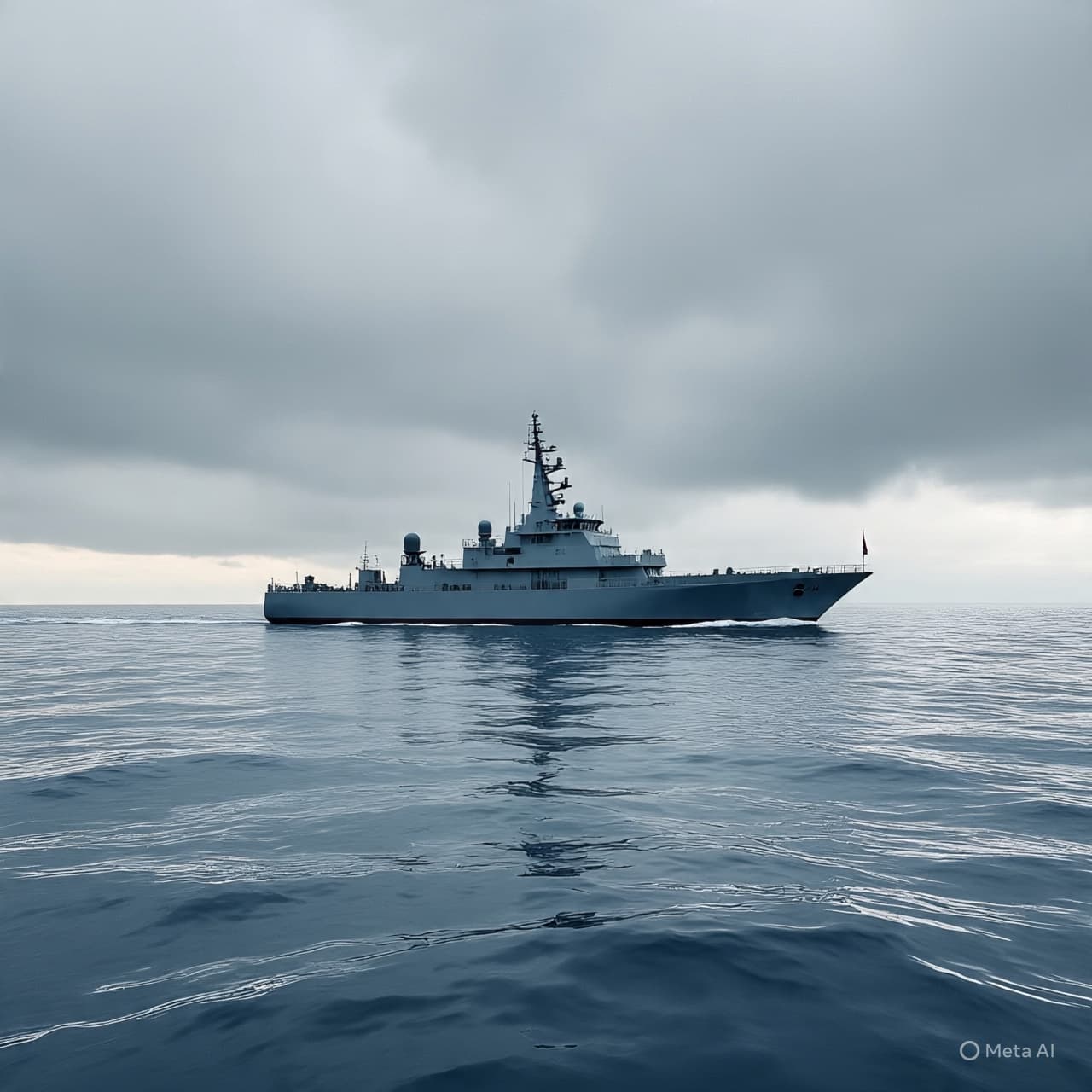
The UK's response is characterized by a vigilant approach rather than overt confrontation. Military officials have confirmed the detection of Russian submarines operating close to sensitive areas, prompting a careful tracking of their movements. This operation is not marked by visible displays of force but rather by the strategic use of maritime patrol aircraft and naval vessels, which scan vast ocean stretches for any signs of activity.
The North Atlantic, historically a region of cooperation, has seen a shift towards increased military focus. NATO allies are also ramping up their surveillance efforts, sharing intelligence to create a more comprehensive understanding of undersea movements. This collective approach highlights the importance of collaboration in addressing maritime security challenges, as nations work together to monitor and respond to potential threats.
For Russia, submarine operations are a longstanding element of military strategy, designed to project power and maintain a level of ambiguity. In contrast, the UK's strategy emphasizes the need for presence without escalation, ensuring that the ambiguity surrounding submarine movements does not translate into risk for national security. This delicate balance is crucial in maintaining stability in a region where tensions are palpable.
The operations reflect a broader understanding that security is often a condition sustained through vigilance rather than direct action. The paradox of heightened readiness expressed through stillness underscores the complexity of modern military strategy. Ships and aircraft maintain their positions, gathering intelligence while avoiding provocative engagements.
As these operations continue, the UK remains committed to ensuring the safety of its waters and critical infrastructure. The deployment of military resources serves as a reminder of the ongoing geopolitical dynamics at play in the North Atlantic, where the stakes are high, and the need for vigilance is paramount. In this quiet expanse of the sea, the lines between presence and absence take on new significance, shaping the narrative of security in an increasingly complex world.
Published by Banx Network. This article is part of the Banx decentralized media programme, powered by the BXE token on the XRP Ledger.



