In the quiet machinery of global commerce, there are currents that move beyond the reach of regulation—some carrying goods, others carrying harm. The promise of a medicine that can reshape a body and quiet a hunger has made Ozempic one of the most sought-after drugs in America, and where demand runs deep, counterfeiters follow like shadows.
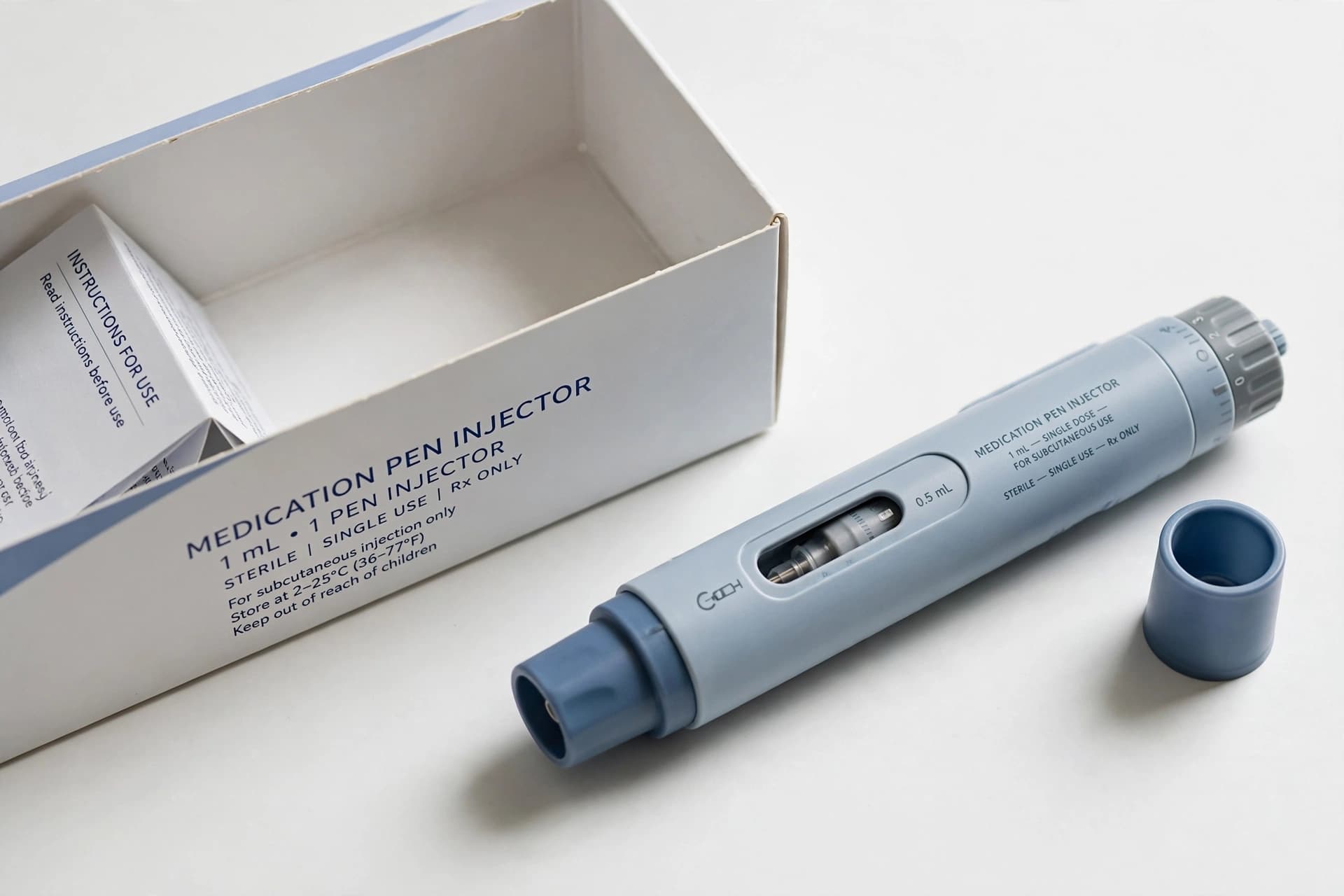
Two Indian nationals, Swapnadip Roy, 33, and Vicky Ramancha, 37, have been charged in federal court in Florida with conspiring to smuggle counterfeit Ozempic from unauthorized sources in China into the United States, according to the Department of Justice. The indictment alleges that between July 2023 and April 2024, the pair distributed counterfeit versions of the drug—complete with fake packaging, pen labels, and needles—to distributors who believed they were purchasing the authentic product.
Roy was extradited from Italy and made his initial appearance in Tampa on Tuesday. Ramancha remains at large. Both face charges including conspiracy to commit smuggling, three counts of smuggling, and two counts of selling counterfeit drugs and holding them for sale. If convicted, each could face a maximum sentence of 71 years in prison.
The scheme allegedly continued even after the FDA seized some of the counterfeit products in December 2023 and issued a public warning. Court documents describe a network that sold the fake drugs at deeply discounted prices, with messages encouraging buyers to accept that "some corners being cut" was part of the bargain. In March 2024, Ramancha allegedly facilitated the delivery of approximately 11,000 units of the counterfeit drug to a warehouse in Ohio.
The case arrives at a moment when GLP-1 medications have become woven into the fabric of American life. Recent Gallup data cited in coverage of the indictment suggests that 11 percent of U.S. adults now use such medications for weight loss, up from 3 percent in 2024. That surge in demand has created a market vulnerable to exploitation—a market where the line between legitimate pharmacy shelves and illicit supply chains can blur.
FDA officials have framed the charges as part of a broader effort to protect the integrity of the nation's drug supply. "Infiltrating the American drug supply with counterfeit products isn't just a crime—it's also a direct threat to public health and patient safety," said Acting FDA Commissioner Kyle Diamantas. The Department of Justice echoed that concern, noting that counterfeit prescription drugs "threaten the health and safety of every American who depends on the integrity of our pharmaceutical supply".
The investigation is ongoing, and the FDA has indicated that counterfeit medicines are a rising concern, particularly for popular drugs with complex supply chains. For now, Roy remains in federal custody in Florida, while Ramancha's whereabouts are unknown. The case will proceed through the courts, where the allegations will be tested and the defendants will have the opportunity to answer the charges against them.
What remains is a cautionary tale about the distance between a product and its promise—and the quiet risks that can travel along the pathways of global trade, arriving in a package that looks just like hope.
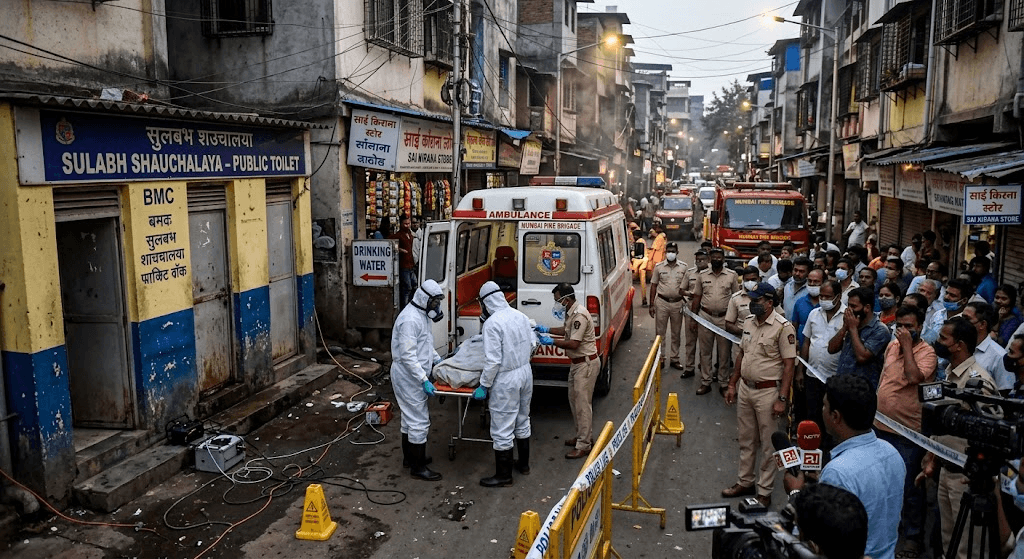
Note: This article is accompanied by AI-generated imagery, not photographs of the individuals or events described.
Sources:
· U.S. Department of Justice · U.S. Food and Drug Administration · CBS News · CNBC
Published by Banx Network. This article is part of the Banx decentralized media programme, powered by the BXE token on the XRP Ledger.