
Key Highlights
- Recent arrests in Faisalabad for copper theft from power grid.
- Specialized tools and hundreds of kilograms of stolen wire recovered.
- The theft poses significant risks to the city's electrical infrastructure.
Faisalabad, a bustling industrial hub in Pakistan, is grappling with a growing problem of copper theft that threatens its power grid and, by extension, the livelihoods of its residents. The recent apprehension of suspects caught in the act of stripping copper wires from the city's electrical infrastructure has brought this issue to the forefront, highlighting the dangers posed by such criminal activities.
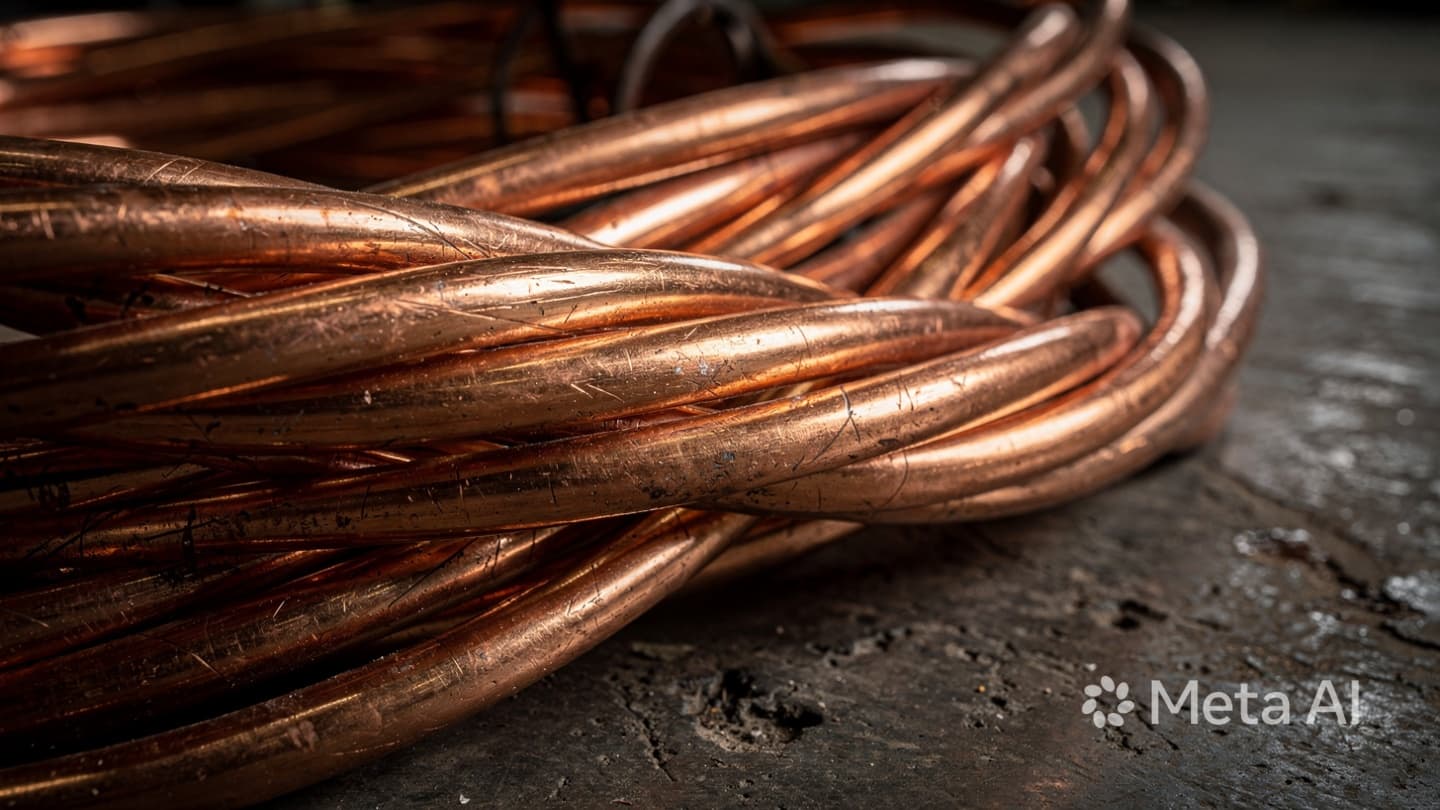
The arrests were made following a tip-off from a vigilant local security patrol, which led police to a major power grid substation. Here, officers discovered not only the thieves but also specialized cutting equipment and several hundred kilograms of stolen copper wire. This incident underscores the lengths to which these criminals will go, risking their lives and the safety of the community for a few kilograms of metal.
Copper theft is not merely a crime against property; it is an act that can disrupt the very fabric of urban life. Each stolen meter of wire represents lost productivity, potential power outages, and a strain on the already burdened energy supply. In a city where textile mills and small workshops rely heavily on a consistent power supply, such thefts can have cascading effects on the economy.
The implications of these thefts extend beyond immediate financial losses. They pose a significant risk to public safety, as the removal of copper wiring can lead to dangerous power outages. The city's infrastructure, which is often taken for granted, becomes vulnerable when criminals exploit it for personal gain. The police's swift action in this case serves as a reminder of the importance of vigilance and community cooperation in safeguarding public resources.
In the aftermath of the arrests, technicians have been working diligently to repair the damage caused by the theft. Their efforts are crucial in restoring power to the affected areas and ensuring that the city's industrial heartbeat continues to pulse. As they climb the towers to replace the stolen wiring, they symbolize the resilience of Faisalabad against those who would seek to undermine its infrastructure.
The community's response to these incidents has been one of frustration and determination. Local business owners are calling for increased security measures to protect their assets and the city's infrastructure. There is a growing recognition that safeguarding the power grid is as essential as protecting individual homes and businesses. This collective responsibility is vital for maintaining the stability and growth of Faisalabad.
As the city moves forward, the recent arrests serve as a small victory in the ongoing battle against infrastructure crime. The towers that once stood vulnerable now hum with renewed energy, a testament to the community's resilience and the importance of protecting the lifeblood of the city. Faisalabad's story is a reminder that the most essential elements of urban life are often invisible until they are threatened, and it is the responsibility of all to ensure their preservation.
Published by Banx Network. This article is part of the Banx decentralized media programme, powered by the BXE token on the XRP Ledger.



