

Key Highlights
- SEC's stance on crypto regulation continues to evolve amid uncertainty.
- Over 13,000 unique digital tokens complicate regulatory frameworks.
- Comparison with European regulatory approaches highlights differences.
The U.S. Securities and Exchange Commission (SEC) has been at the forefront of regulating digital assets, creating a complex landscape for innovators and investors. Recent statements from SEC Chair Gary Gensler have underscored the agency's commitment to applying the Howey Test, a legal standard established by the Supreme Court in 1946, to classify many cryptocurrencies as securities. This approach has raised concerns about the implications for the burgeoning crypto market, which is characterized by rapid innovation and a diverse array of digital assets.
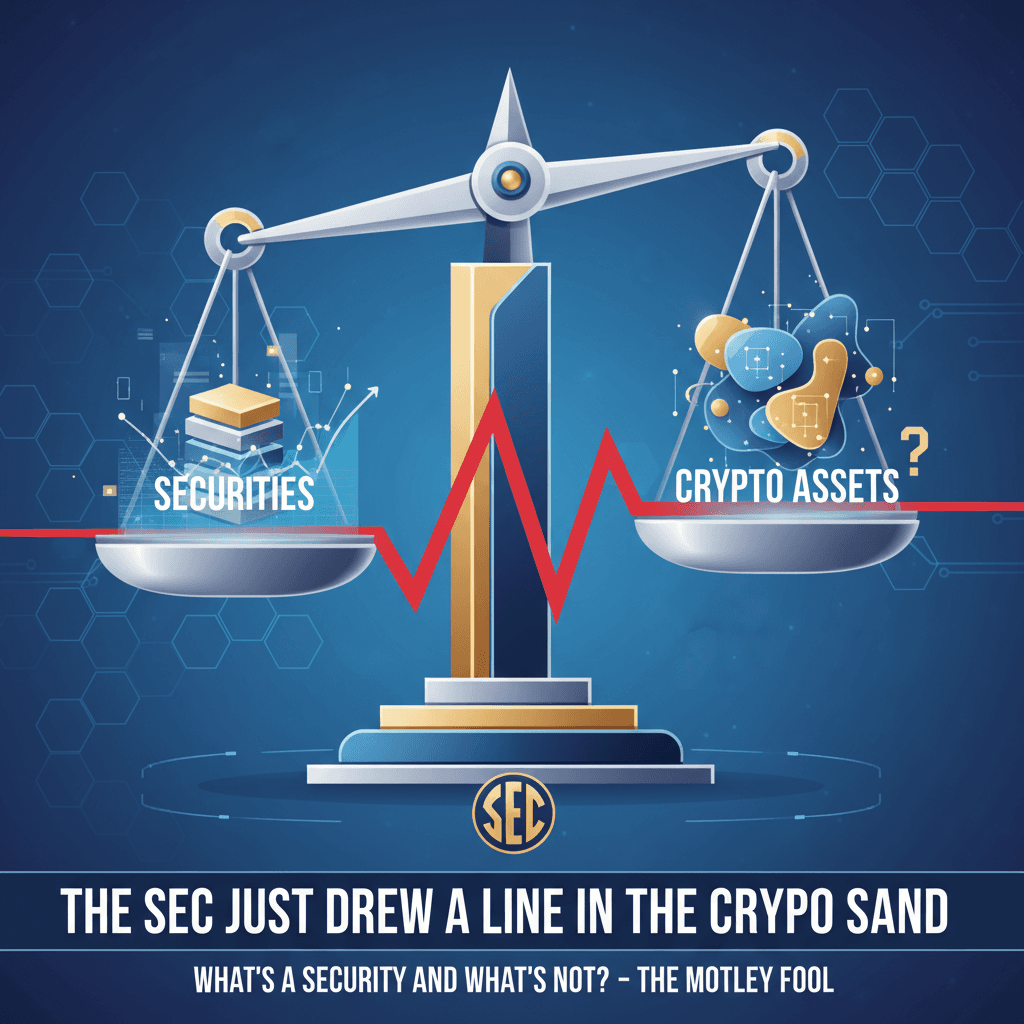
The Howey Test determines whether an asset qualifies as a security based on the expectation of profits derived from the efforts of others. Gensler's assertion that many tokens, particularly those launched through initial coin offerings (ICOs), fall under this classification has led to numerous enforcement actions against various projects. This regulatory scrutiny has created a chilling effect on innovation, as startups navigate a landscape fraught with legal uncertainties. According to a recent analysis by The Motley Fool, the SEC's aggressive stance signals a clear delineation of what it considers compliant versus non-compliant assets.
In a recent interview with Bloomberg, Gensler reiterated the SEC's focus on investor protection, emphasizing that the agency's regulatory framework is designed to safeguard the interests of the public. However, critics argue that this approach may stifle innovation by imposing outdated regulatory frameworks on a rapidly evolving industry. The SEC's application of the Howey Test to decentralized assets raises questions about the relevance of traditional securities laws in the context of blockchain technology.
Internationally, regulatory approaches differ significantly. European regulators have introduced frameworks like the Markets in Crypto-Assets (MiCA) regulation, which categorizes digital assets based on their functionality rather than forcing them into existing securities laws. This tailored approach allows for greater flexibility and encourages innovation, contrasting sharply with the SEC's more rigid stance. As the crypto market matures, the need for a regulatory framework that accommodates the unique characteristics of digital assets becomes increasingly apparent.
The sheer volume of digital assets complicates the SEC's regulatory efforts. With over 13,000 unique tokens reported by CoinDesk in early 2024, applying the Howey Test uniformly becomes impractical. Many projects operate on decentralized protocols where development is community-driven, making it challenging to determine the 'efforts of others' clause. This complexity highlights the need for a more nuanced regulatory approach that recognizes the diversity of digital assets and their varying functions.
As the SEC continues to grapple with its regulatory framework, the lack of clear legislative guidance from Congress leaves many projects in a state of uncertainty. The enforcement-first strategy adopted by the SEC has created a legal limbo for many innovators, hindering their ability to plan for the future. The ongoing tension between the SEC's traditional regulatory mandate and the decentralized ethos of the crypto industry raises critical questions about the future of digital finance.
Ultimately, the challenge lies in finding a balance between protecting investors and fostering innovation. As the digital landscape evolves, regulators must adapt their frameworks to accommodate new technologies and business models. The question remains: can the SEC evolve its approach to meet the demands of a rapidly changing market, or will it continue to impose outdated regulations on a dynamic industry? The future of digital assets may depend on the answers to these pressing questions.
Published by Banx Network. This article is part of the Banx decentralized media programme, powered by the BXE token on the XRP Ledger.




