
Key Highlights
- Incident:A stranded whale was rescued on a German beach after several days.
- Rescue Efforts:Marine experts and volunteers monitored the whale's condition.
- Environmental Impact:The event highlights the relationship between human intervention and nature.
In a poignant incident along the German coastline, a stranded whale captured the attention of marine experts and onlookers alike. For several days, the massive creature remained grounded on the beach, its presence a stark contrast to the tranquil sands surrounding it. This event not only drew crowds but also raised questions about the factors leading to such strandings, which can include navigational errors, illness, or environmental changes.
Rescue teams quickly mobilized, understanding the delicate balance required to assist the whale without causing further stress. The situation was precarious; the whale's health depended on both the tide and the careful monitoring of its condition. As days passed, the teams worked tirelessly, waiting for the right moment when conditions would align to facilitate the whale's return to deeper waters.
The ocean, in this instance, served as both a barrier and a potential savior. With each passing tide, the teams remained hopeful that rising waters would provide the necessary lift for the whale to break free from the shore. This careful orchestration of human effort and natural forces underscored the complexity of marine rescues, where timing and patience are crucial.
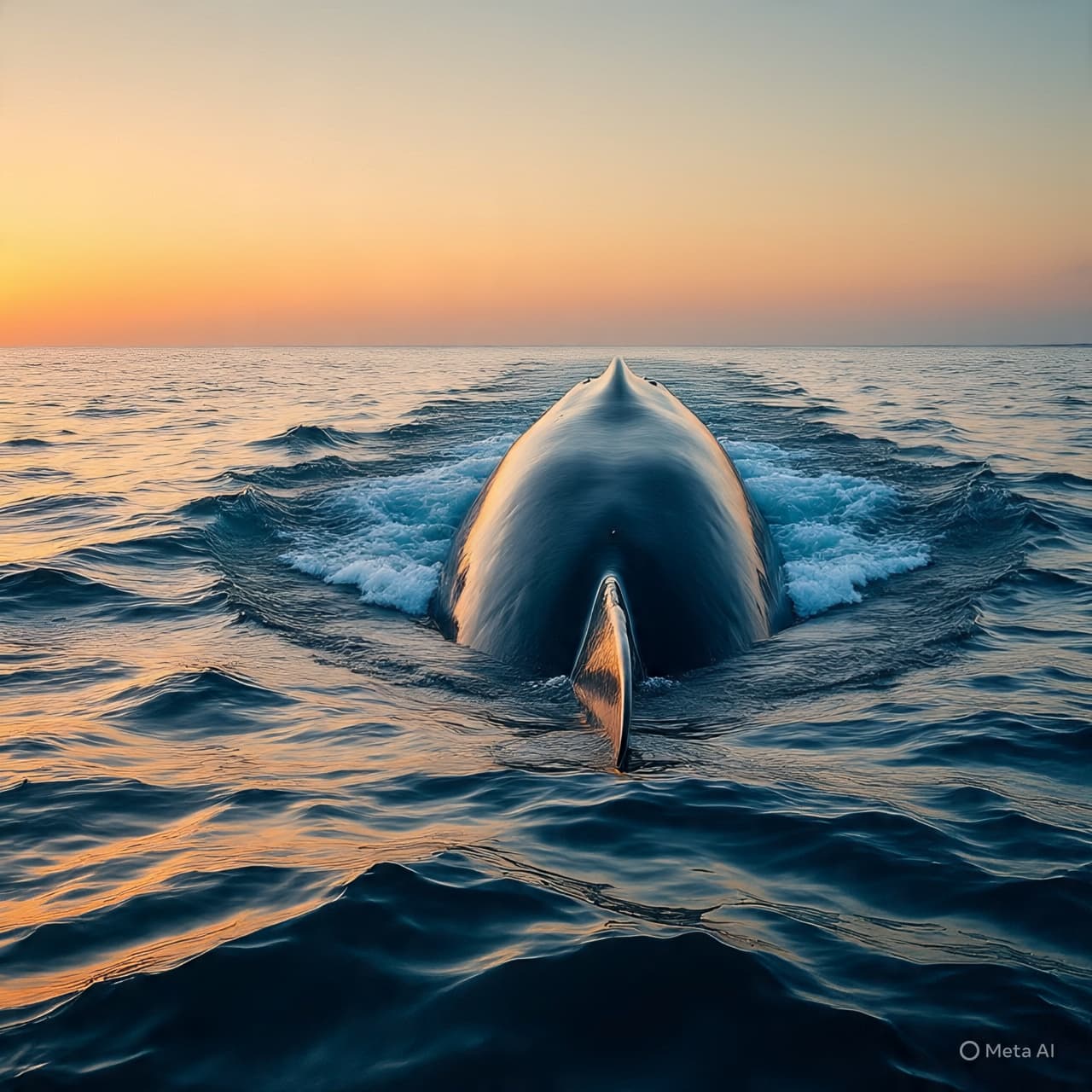
Finally, the moment arrived when the whale, aided by the rising tide and the coordinated efforts of the rescue teams, began to move. The transition from stillness to motion was not marked by chaos but rather a serene return to the depths where the whale belonged. Witnesses described the scene as one of quiet relief, a reminder of the interconnectedness of human actions and the natural world.
This incident also contributes to the broader field of marine biology, where each stranding provides valuable data on marine life and environmental conditions. Researchers analyze such events to better understand migration patterns and the health of ocean ecosystems. The knowledge gained from these occurrences can inform conservation efforts and enhance our understanding of the challenges faced by marine species.
As the whale swam away, the beach returned to its usual calm, the footprints of onlookers fading with the tide. The event left behind a lingering sense of connection between humanity and nature, a reminder of the delicate balance we must maintain with the world around us. The shoreline, ever-changing, holds the memory of the whale's brief pause, a testament to the resilience of life in the face of uncertainty.
In the end, the sea reclaimed what had been momentarily held in place, illustrating the enduring currents of nature that guide all living beings.
Published by Banx Network. This article is part of the Banx decentralized media programme, powered by the BXE token on the XRP Ledger.



