
Key Highlights
- Coastal Resilience:The Tasman coast shows a 15% increase in vegetation density.
- Ecological Synergy:The relationship between forest and sea is vital for biodiversity.
- Community Connection:Local residents maintain a deep bond with their coastal environment.
The Tasman coast of New Zealand, where the Tasman Sea meets lush rainforests, is experiencing a remarkable ecological revival. Recent reports from the New Zealand Department of Conservation indicate a 15% increase in the density of coastal vegetation, signaling a positive shift in the health of this unique environment. This resurgence is attributed to a combination of natural processes and conservation efforts aimed at preserving the delicate balance between land and sea.
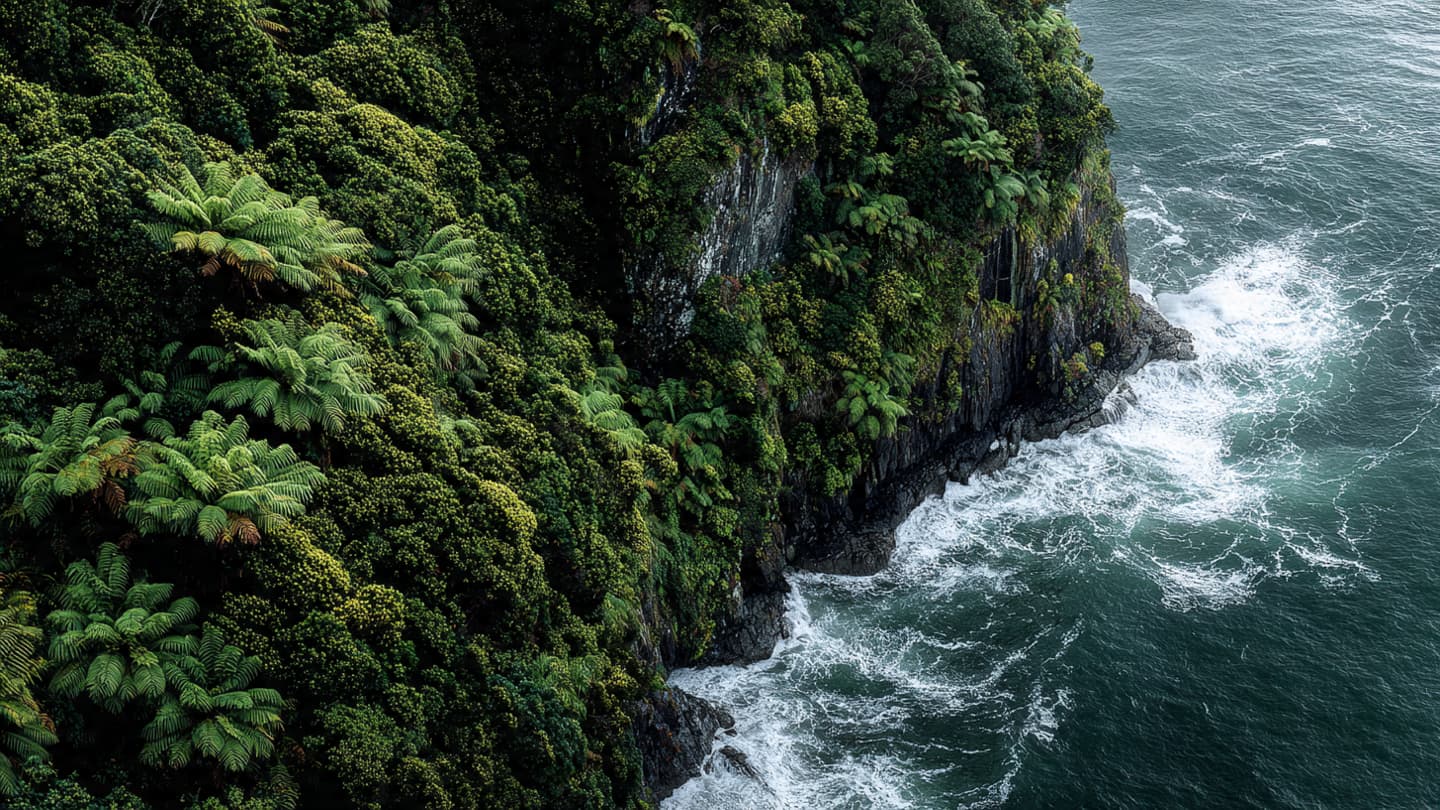
The coastal landscape is characterized by its dramatic cliffs and verdant forests, where ancient trees like Rimu and the hardy Nikki palms thrive. These species have adapted to the harsh conditions of salt spray and strong winds, creating a resilient ecosystem that supports a variety of wildlife. Among the most notable inhabitants are the rare blue-penned penguins, which rely on the forest for shelter as they navigate the underbrush to reach their nests.
Ecologists emphasize the importance of this interdependence between the coastal forest and the sea. The salt spray from the ocean enriches the soil, while the forest provides a protective habitat for numerous species. This synergy is crucial not only for the survival of individual species but also for the overall health of the ecosystem. As the shoreline stabilizes, it becomes a sanctuary for diverse flora and fauna, showcasing nature's ability to adapt and thrive despite external pressures.
For the communities along the West Coast, the sea is more than just a resource; it is a fundamental aspect of their identity. The rugged beauty of the landscape fosters a sense of independence and resilience among residents, who view the preservation of their coastal environment as a shared responsibility. Their connection to the land is deeply rooted, with traditions and lifestyles intertwined with the rhythms of the tides.
As the sun sets over the Tasman Sea, casting a warm glow on the landscape, the coast transforms into a serene haven. The interplay of light and shadow highlights the intricate textures of the ferns and cliffs, creating a moment of tranquility that contrasts sharply with the challenges posed by climate change and rising sea levels. This delicate balance serves as a reminder of the ongoing struggle between nature and the forces that threaten it.
The narrative of the Tasman coast is one of resilience and hope. While the challenges of environmental change loom large, the thriving ecosystems along the shoreline offer a glimpse into the potential for recovery and renewal. The story of this coastal region is not just about survival; it is about the enduring bonds between the land, the sea, and the communities that call it home. As long as the tides continue to ebb and flow, the vibrant life of the Tasman coast will persist, a testament to nature's remarkable ability to adapt and flourish.
In conclusion, the Tasman coast stands as a symbol of ecological resilience, where the interplay of land and sea creates a dynamic environment rich in biodiversity. The ongoing efforts to protect and restore this unique landscape are crucial for ensuring that future generations can experience the beauty and vitality of this coastal paradise.
Published by Banx Network. This article is part of the Banx decentralized media programme, powered by the BXE token on the XRP Ledger.



