
Key Highlights
- Event:Global Summit on Sustainable Indigenous Tourism held in Wellington.
- Attendance:Over 500 delegates from 40 nations participated.
- Focus:Integration of indigenous knowledge into tourism strategies.
The autumn light in Wellington casts a golden hue over the hills, creating an atmosphere ripe for contemplation. Recently, this picturesque setting became the backdrop for a significant gathering—the Global Summit on Sustainable Indigenous Tourism. This summit is not just a meeting of industry leaders; it serves as a sanctuary for exchanging wisdom that has long understood the delicate balance between hosts and guests.
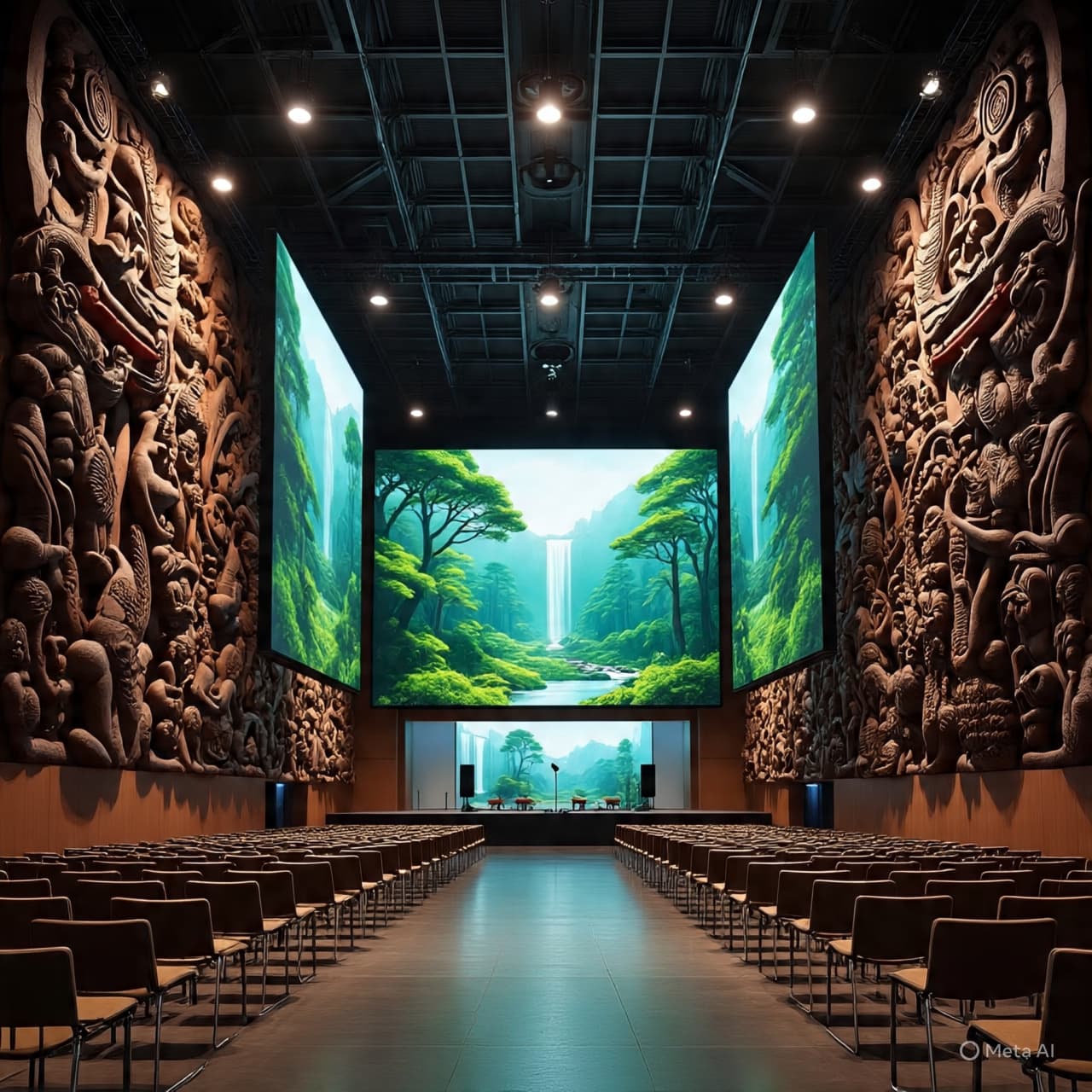
As attendees walk through the Tākina Convention Centre, they are enveloped in a symphony of languages, each representing a unique cultural heritage. The air is infused with the scent of native flora, symbolizing the shared responsibility of preserving the stories, rituals, and sacred spaces that define the human experience with the land. Unlike typical tourism conferences that prioritize numbers and profit, this summit emphasizes the preservation of intangible cultural assets.
Central to the discussions is a transformative approach to travel—one that is restorative rather than reductive. This indigenous-led perspective advocates for a model where travelers contribute positively to local communities and ecosystems. Rather than viewing the landscape as mere scenery, participants are encouraged to regard it as a living entity deserving of respect and care.
The integration of mātauranga Māori and other indigenous knowledge systems into global tourism narratives is a key theme at the summit. New Zealand is at the forefront of this movement, crafting a new manual for the industry that prioritizes meaningful encounters over rapid transit. This philosophy promotes a slow, deliberate engagement with the environment, fostering a deeper connection between travelers and the places they visit.
As delegates share their experiences, a common belief emerges: the future of travel hinges on cultivating genuine empathy. Visiting a land through the eyes of its original inhabitants allows travelers to gain a profound understanding of their own place in the world. This is the essence of sustainable tourism—transforming strangers into witnesses and journeys into homecomings.
The summit also highlights the importance of blending tradition with innovation. Discussions around digital storytelling and green infrastructure are not seen as replacements for heritage but as tools to carry it forward. This harmonious integration ensures that cultural flames are passed to future generations, maintaining their warmth and light.
As the sun sets over Wellington's harbor, the commitments made during the summit resonate in the evening air. The outcomes are intended to influence various aspects of tourism, from hotel construction to national park navigation, and the storytelling of ancestral histories. This movement aims to create a world where every journey contributes to preservation and respect for indigenous cultures.
Wellington's Global Summit on Sustainable Indigenous Tourism brought together over 500 delegates from 40 nations, focusing on the integration of indigenous knowledge into national tourism strategies. Key outcomes included a multilateral agreement to support community-led tourism initiatives that prioritize the UN Sustainable Development Goals and indigenous land rights.
Published by Banx Network. This article is part of the Banx decentralized media programme, powered by the BXE token on the XRP Ledger.



